Data Science Full Stack Course Syllabus

duration
2-3 Months
EMI
0% Interest
Mode
Live Online / Offline
SLA Institute’s Data Science Full Stack Course Syllabus comes with 100% placement support so students will be guaranteed a placement in an esteemed organization. In addition to that the Data Science Full Stack Course Syllabus is also carefully curated with the help of leading professionals and experts from the IT industry with so many hours invested in it. So, everything that our students learn in the Data Science Full Stack course is fully up-to-date to the current trends in the IT industry, which increases their chances of getting employed.
GET YOUR JOB ELIGIBILITY REPORT

Let's take the first step to becoming an expert in
Click Here to Get Started
100% Placement Assurance
Get Certified
Course Syllabus
Download SyllabusModule 1: Introduction to Data Science and Full Stack Development
- Understanding Data Science and Its Growing Demand
- Role of a Full Stack Data Scientist
- Key Tools and Technologies in Data Science
- Overview of Data Engineering, Data Analysis, and Data Visualization
- Real-World Applications of Data Science
Module 2: Programming for Data Science
- Introduction to Python for Data Science
- Key Python Libraries: NumPy, Pandas, Matplotlib, and Scikit-learn
- Introduction to R Programming for Statistical Analysis
- Data Structures and Algorithms for Data Science
- Best Practices for Writing Efficient and Scalable Code
Module 3: Data Collection and Preprocessing
- Data Sourcing: APIs, Web Scraping, Databases, and Open Datasets
- Data Cleaning Techniques: Handling Missing Data, Duplicates, and Outliers
- Feature Engineering and Dimensionality Reduction Techniques
- Encoding Categorical Data and Normalization Methods
- Automating Data Preprocessing Tasks
Module 4: Databases and Data Storage
- SQL for Data Science: Queries, Joins, Aggregations, and Subqueries
- NoSQL Databases (MongoDB, Firebase) for Unstructured Data Storage
- Cloud Databases and Data Warehousing Concepts
- Optimizing Database Performance for Large-Scale Applications
Module 5: Data Visualization and Analytics
- Exploratory Data Analysis (EDA) for Insights Extraction
- Visualization with Matplotlib, Seaborn, Plotly, and Tableau
- Dashboard Development for Interactive Data Exploration
- Best Practices for Data Storytelling and Presentation
Module 6: Machine Learning Fundamentals
- Introduction to Supervised and Unsupervised Learning
- Linear and Logistic Regression, Decision Trees, Random Forests
- Clustering Techniques (K-Means, Hierarchical Clustering)
- Model Evaluation, Bias-Variance Tradeoff, and Hyperparameter Tuning
- Hands-on Machine Learning Projects
Module 7: Deep Learning and AI
- Introduction to Artificial Neural Networks (ANN)
- Convolutional Neural Networks (CNN) for Image Processing
- Recurrent Neural Networks (RNN) for Time Series and NLP
- Transfer Learning and Pretrained Models
- Hands-on Deep Learning Projects with TensorFlow and Keras
Module 8: Web Development for Data Science Applications
- Frontend Development with HTML, CSS, JavaScript
- React.js for Interactive Data Dashboards
- Backend Development with Flask and Django for API Integration
- Deployment of Data Science Applications on the Web
Module 9: API Development and Integration
- Understanding RESTful APIs and Their Role in Data Science
- Creating APIs for Machine Learning Models
- Testing and Securing APIs for Scalable Applications
- Connecting Web and Mobile Apps to AI Models
Module 10: Cloud Computing and Big Data
- Introduction to Cloud Platforms (AWS, Google Cloud, Azure)
- Big Data Technologies: Hadoop, Spark, and Distributed Computing
- Building and Managing Data Pipelines for Large Datasets
- Cloud-Based Model Deployment and Scalability
Module 11: DevOps for Data Science
- Introduction to CI/CD in Data Science
- Docker and Kubernetes for Model Deployment
- Monitoring and Logging for Data Pipelines
- Automation of Machine Learning Workflows
Module 12: Capstone Project and Case Studies
- End-to-End Data Science Project Development
- Real-World Case Studies from Finance, Healthcare, and E-commerce
- Industry Best Practices and Ethical Considerations
- Portfolio Building, Resume Writing, and Job Interview Preparation
In conclusion, the Data Science Full Stack Course Syllabus at SLA Institute helps people build skills in data science, data engineering, and machine learning. They learn by doing with data tools, visualization, and DevOps technologies, which gives them real-world experience. This course prepares learners for in-demand jobs in data science, analytics, and modern IT roles. The Data Science Full Stack Course Syllabus covers data science and machine learning. It helps learners get good at data engineering, too.
Video Testimonials
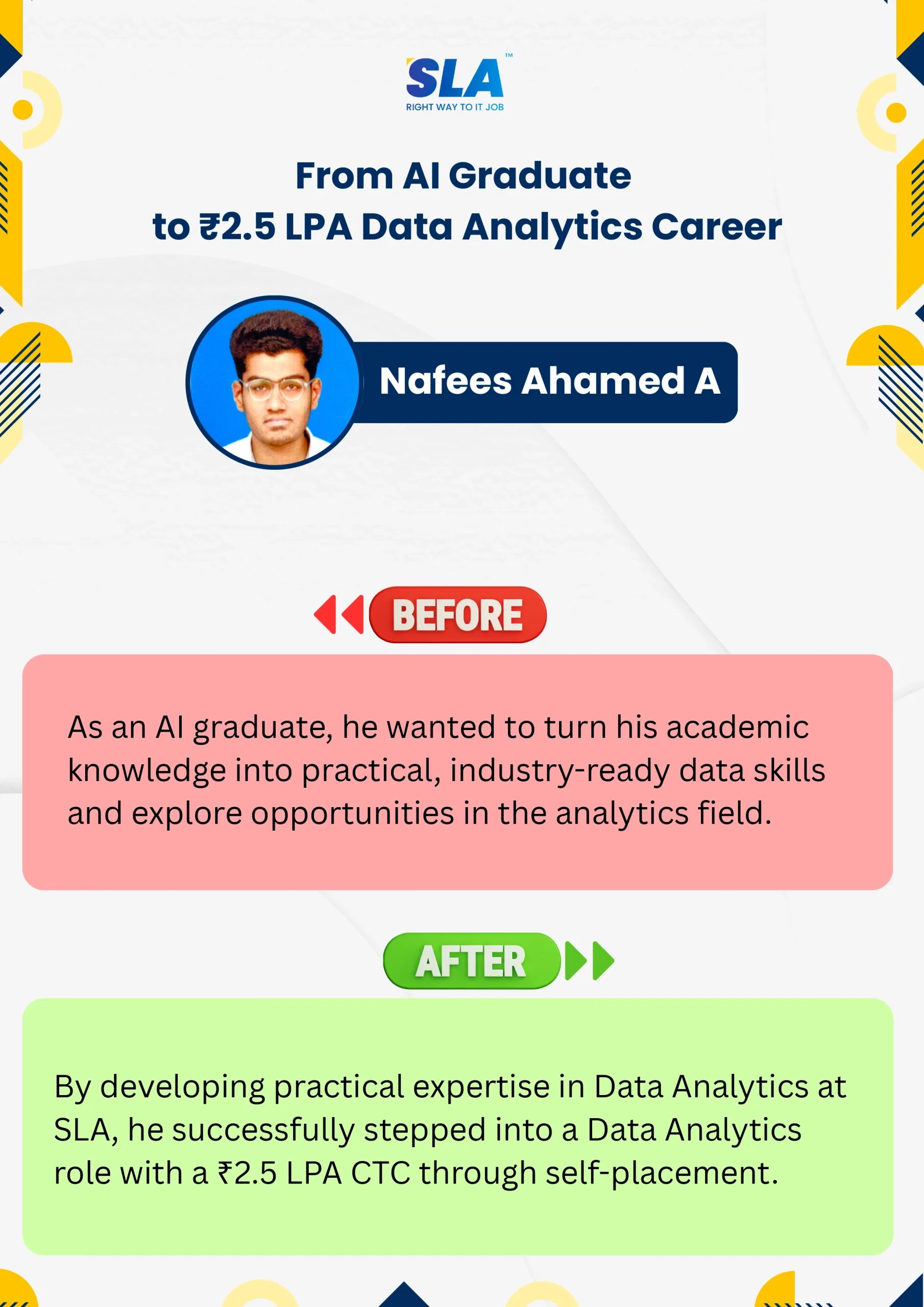
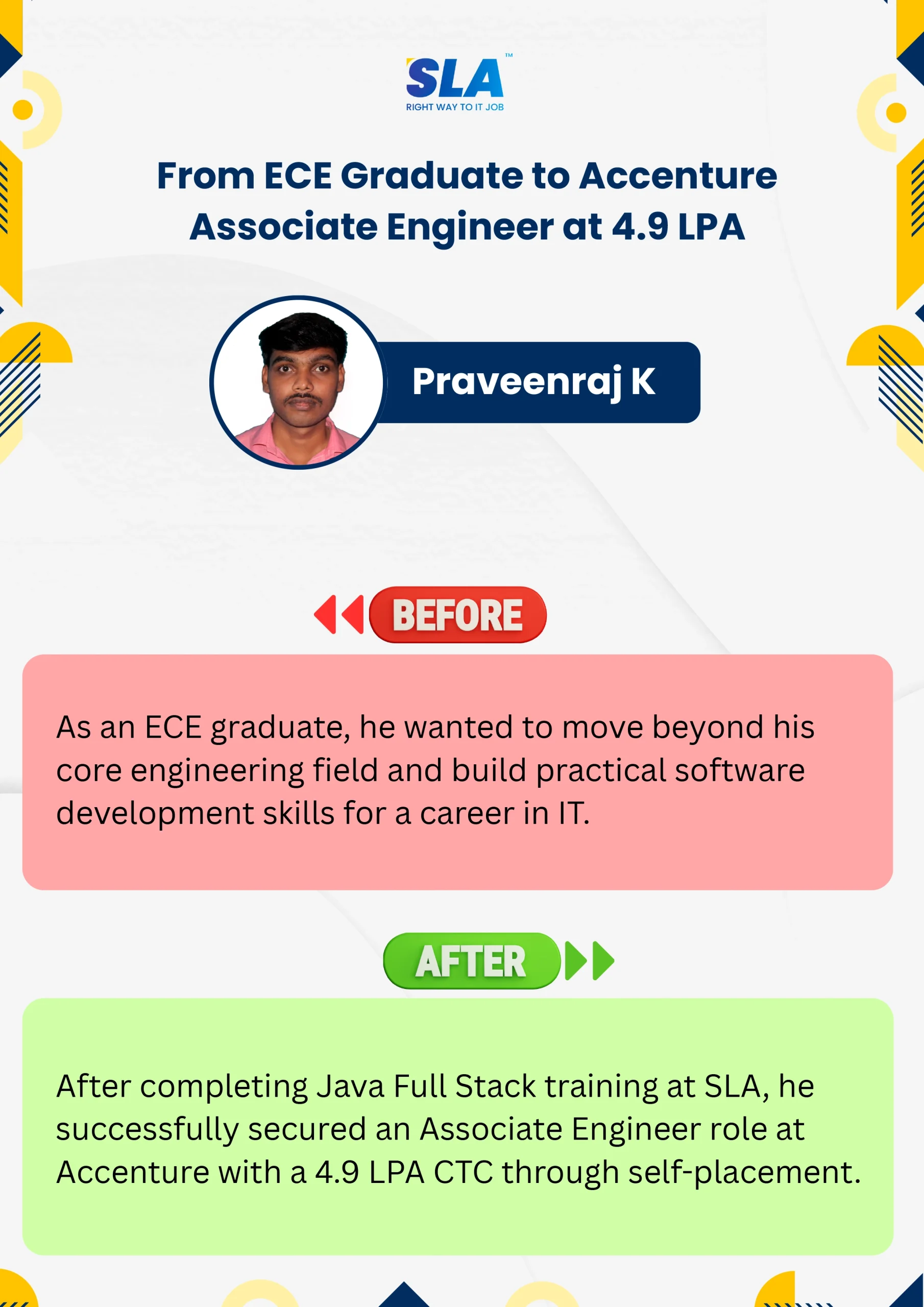
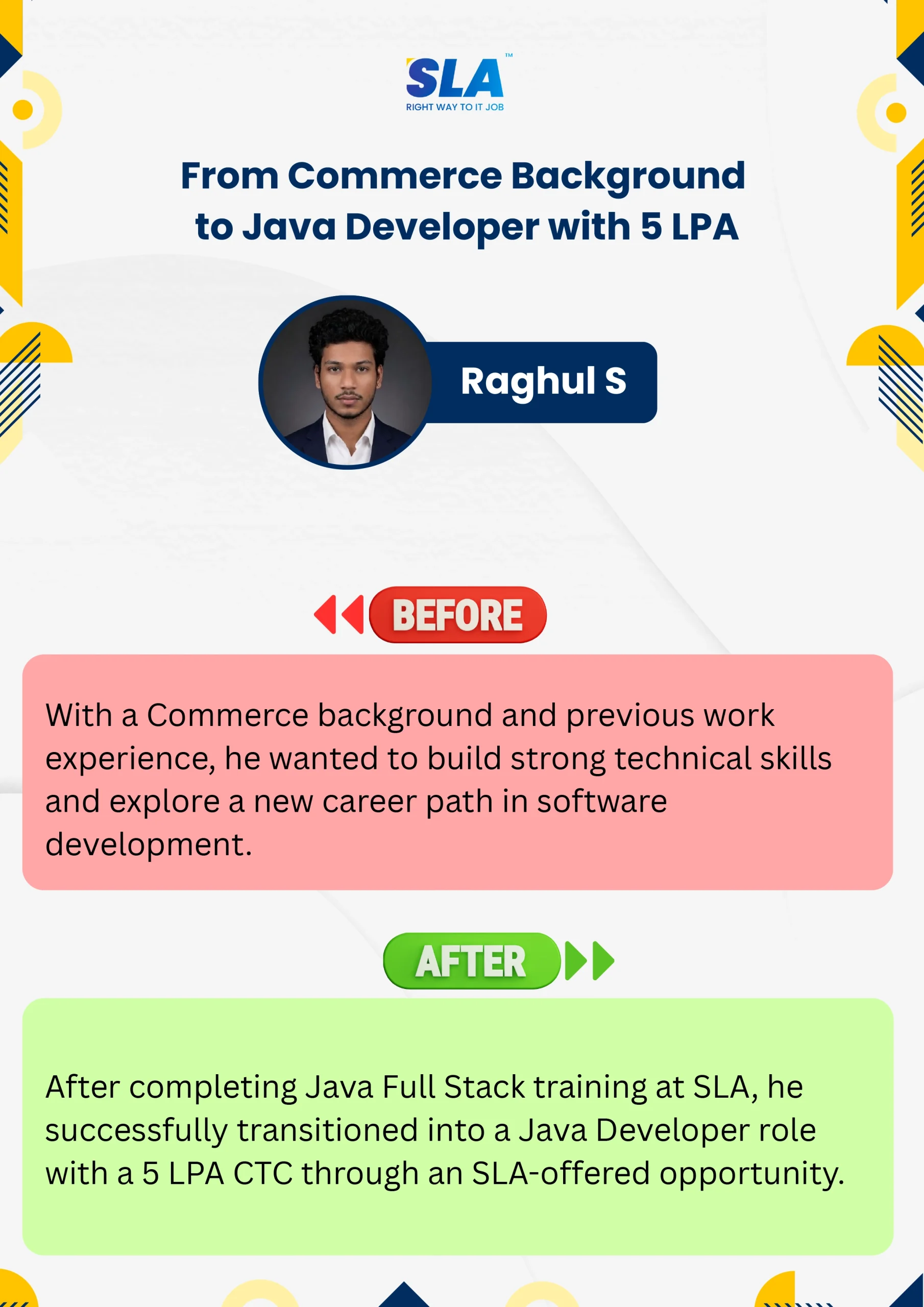
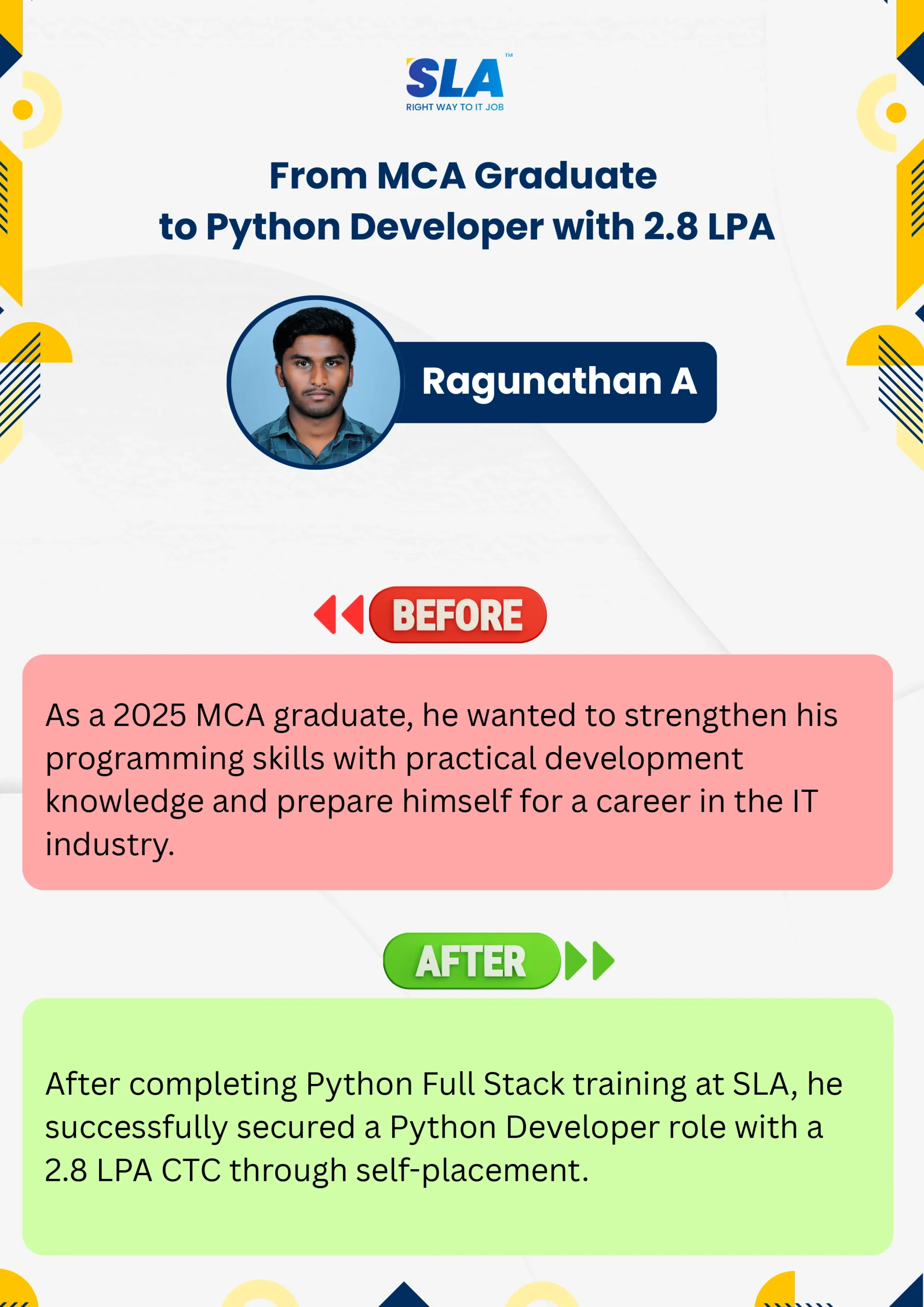
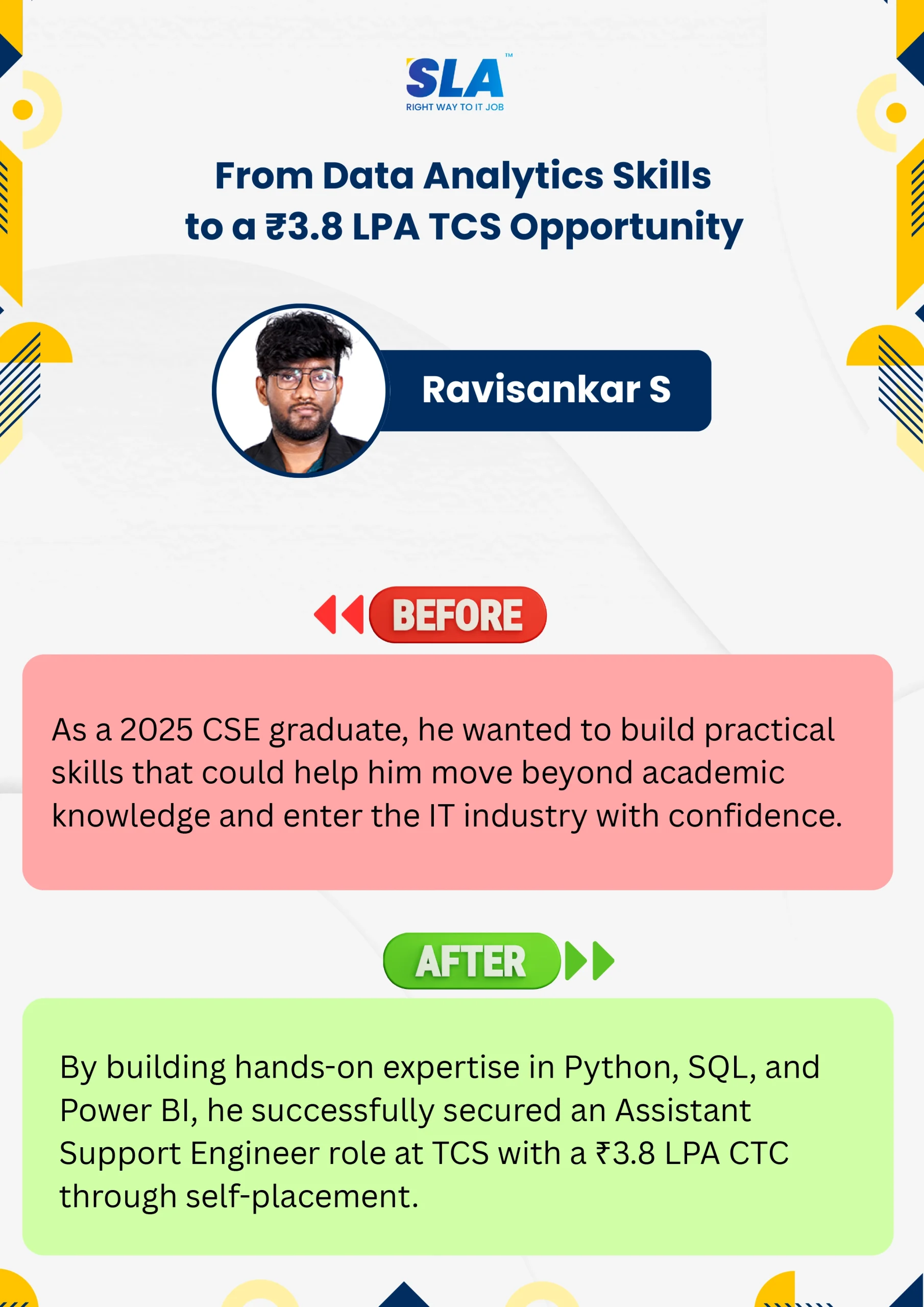
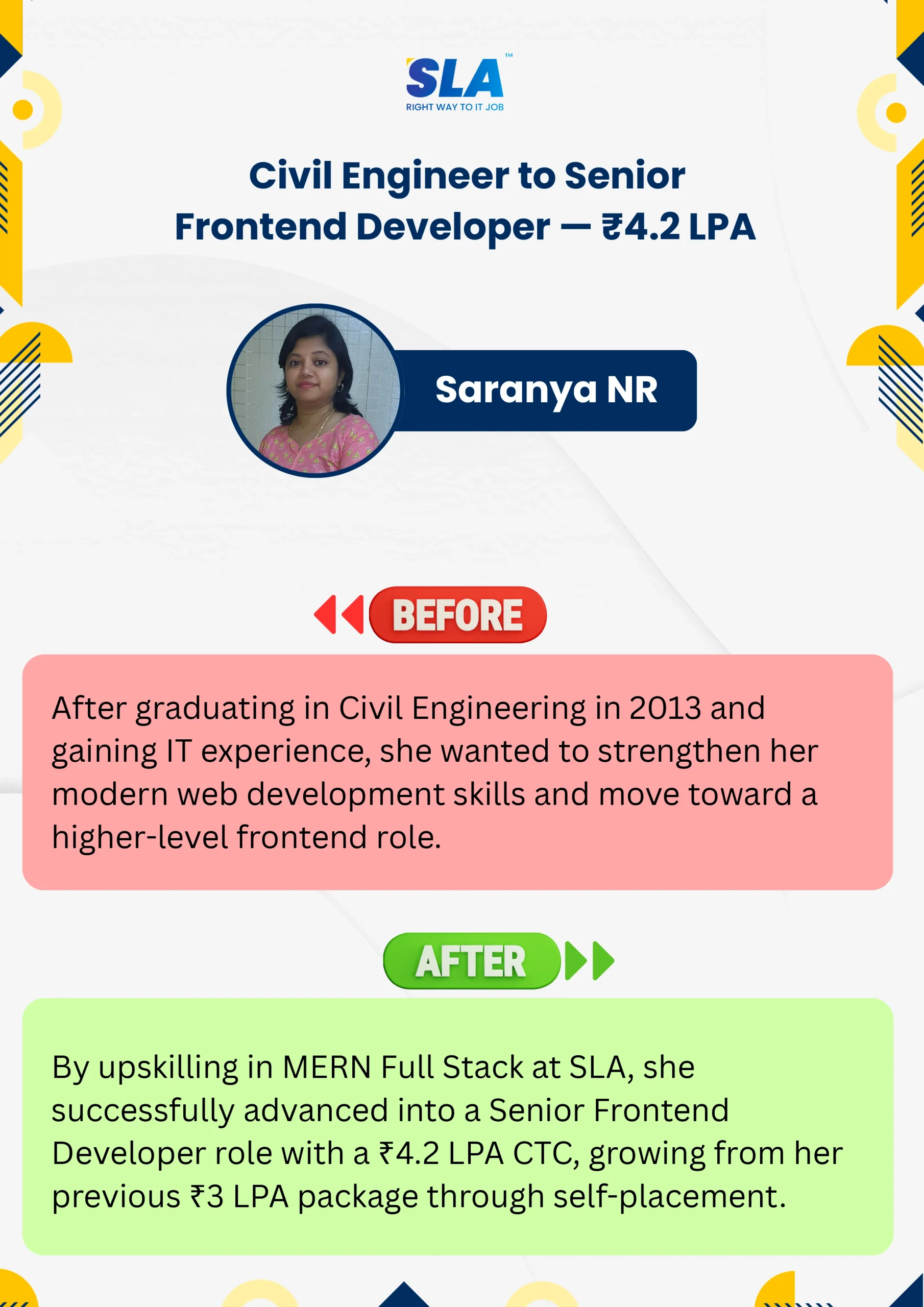
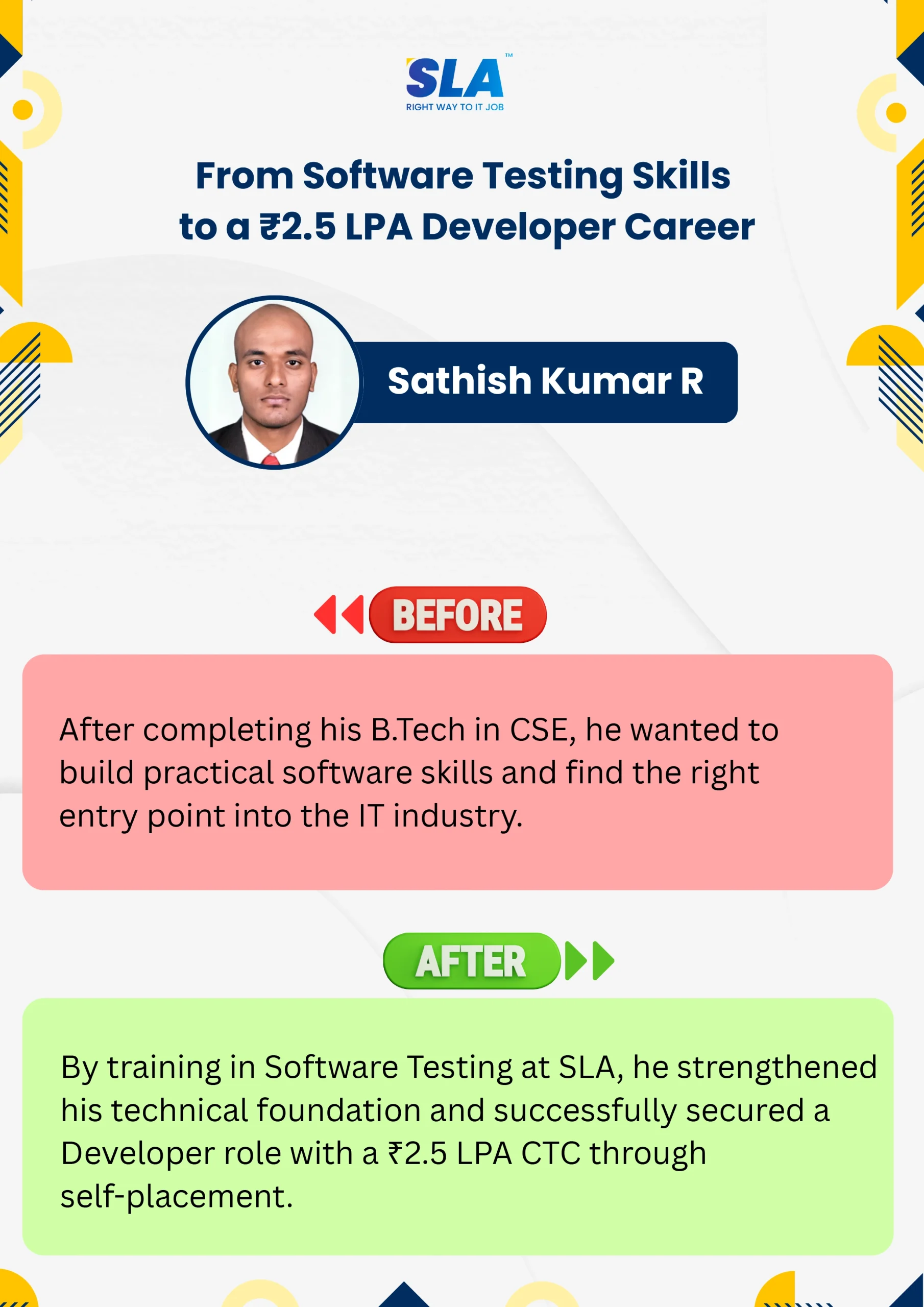
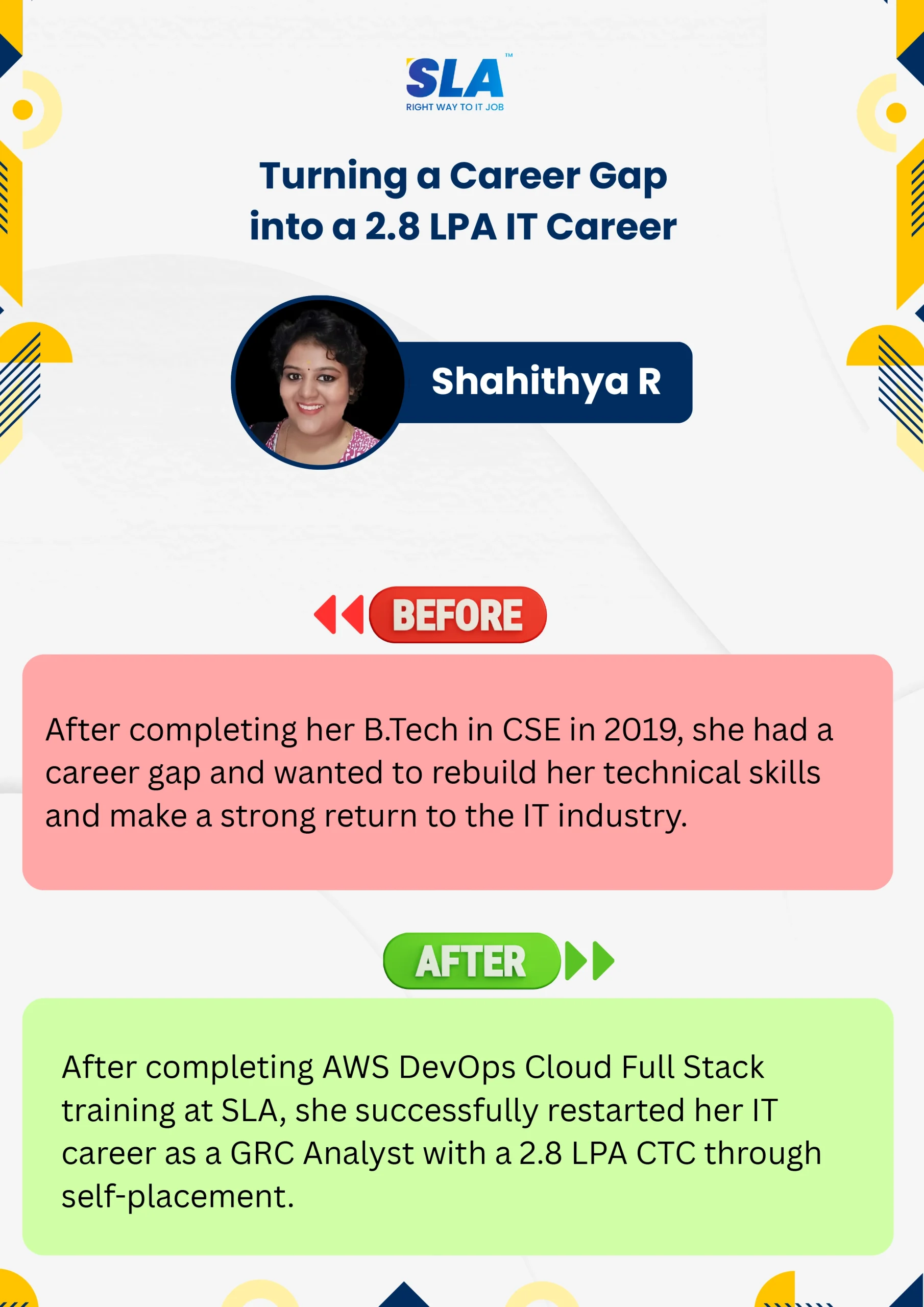
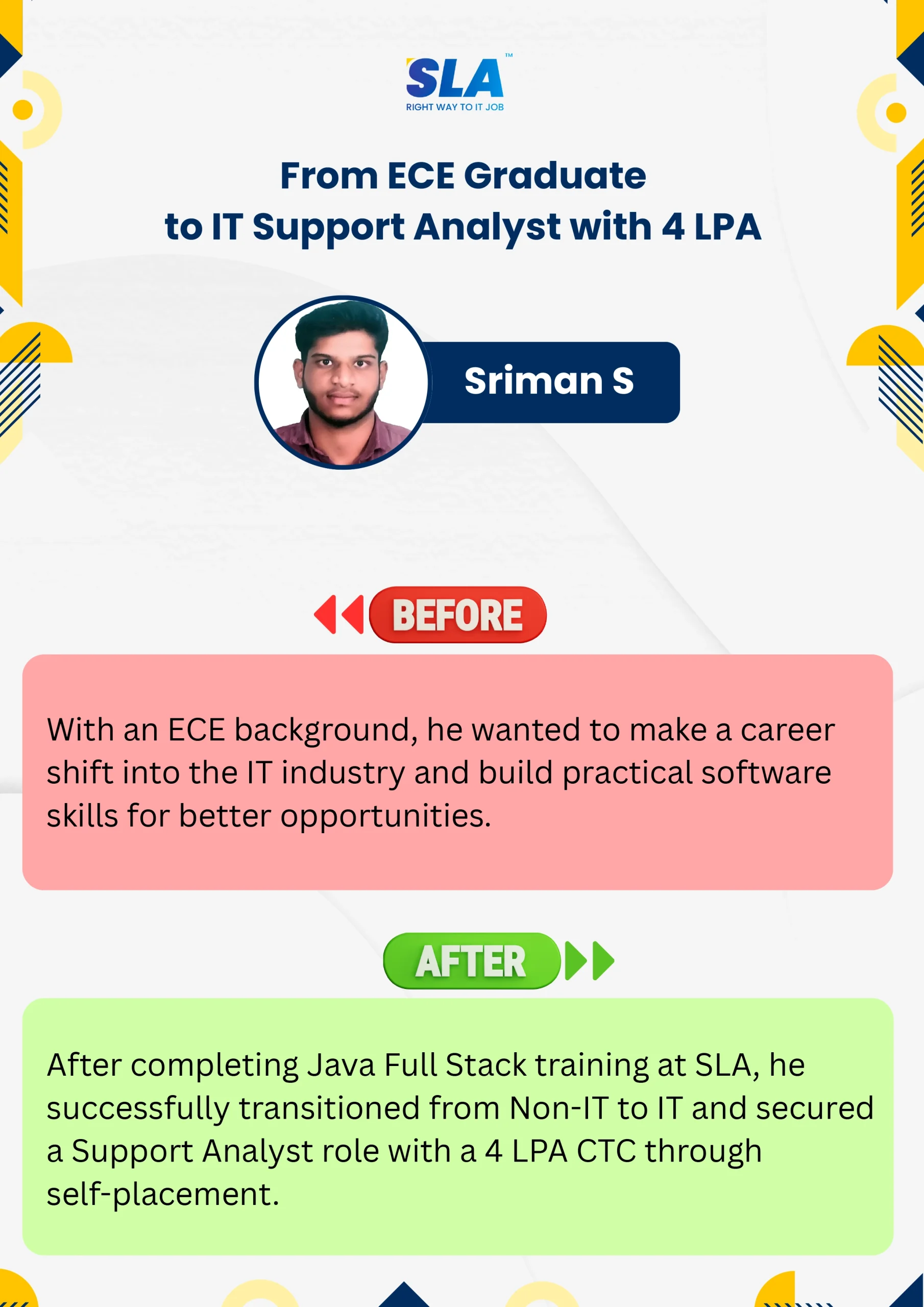
Start your learning journey at SLA and write your career story like our students who have shared their experiences here. Are you excited to explore?
See More