Opens in a new tab
Software Training Institute in Chennai with 100% Placements – SLA Institute

Oracle PL/SQL Course in Chennai

(1724)
duration
2-3 Months
EMI
0% Interest
Mode
Live Online & Classroom Training

The Oracle PL/SQL training in Chennai is really good for people who want to learn about Oracle PL/SQL procedures, functions, triggers, cursors, arrays, collections, and more. You get to work on Oracle PL/SQL projects, which helps a lot. This Oracle PL/SQL course is great because it helps you get better at Oracle PL/SQL programming. You will learn how to make your Oracle PL/SQL applications work faster and reduce network traffic. In class, you practice a lot, which is very helpful. You will learn how to write Oracle PL/SQL packages, which help create variables and objects for Oracle PL/SQL projects. If you join the Oracle PL/SQL certification course in Chennai, you can become a certified Oracle PL/SQL developer, which is a great achievement. The Oracle PL/SQL training in Chennai helps you learn Oracle PL/SQL in a way. You will get better at Oracle PL/SQL. Be able to work on Oracle PL/SQL projects with confidence. The Oracle PL/SQL course in Chennai is good for people who want to learn Oracle PL/SQL.


This Course Includes

  • FREE Demo Class
  • 0% EMI Loan Facilities
  • FREE Softskill & Placement Training
  • Tie up with more than 500+ MNCs & Medium Level Companies
  • Dedicated placement support
  • Course Completion Certificate
Let's Get Started

Let's take the first step to becoming an expert in Oracle PL/SQL

Click Here to Get Started

Lifelong Placement
Support

Get Certified

Check Your Eligibility for IT Training

Ready to start your tech career? Whether you have recently graduated and want to begin your IT career, or want to upskill for your next phase, our Eligibility Assessment Form makes the process easy to begin. For this Oracle PL/SQL Developer Course, we will match your skills and goals to the best training structure for you. Just fill in the form below for an easy start on your course. Take your first step today!

What We'll Need From You?

Personal & Contact Details

Name and phone number for direct interview updates

Academic Background

Age category, educational qualification, and graduation year.

Technical Experience

Prior programming knowledge and relevant IT certification details.
KNOW MORE ABOUT COURSE +91 86818 84318

IT Training Eligibility TEST

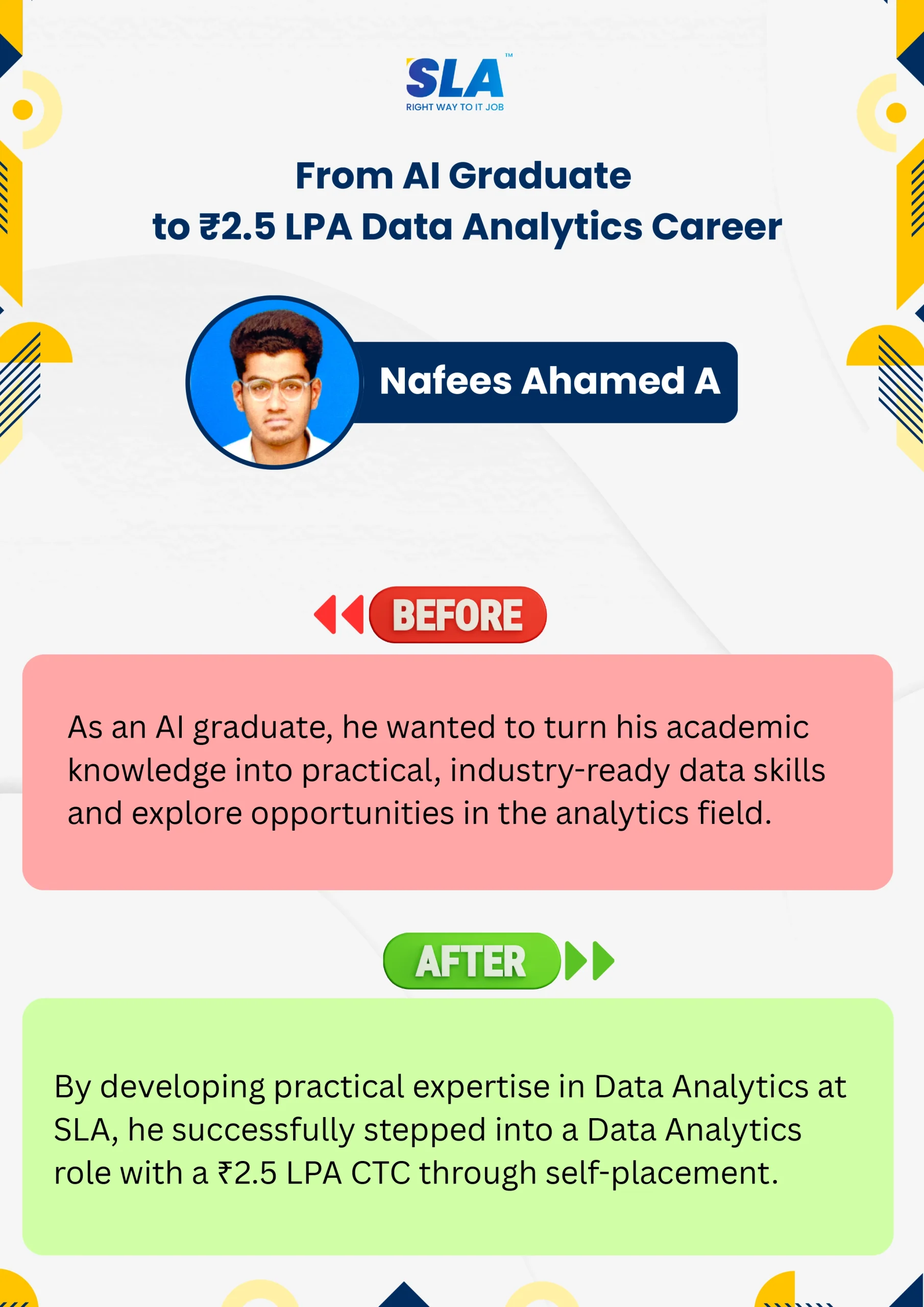
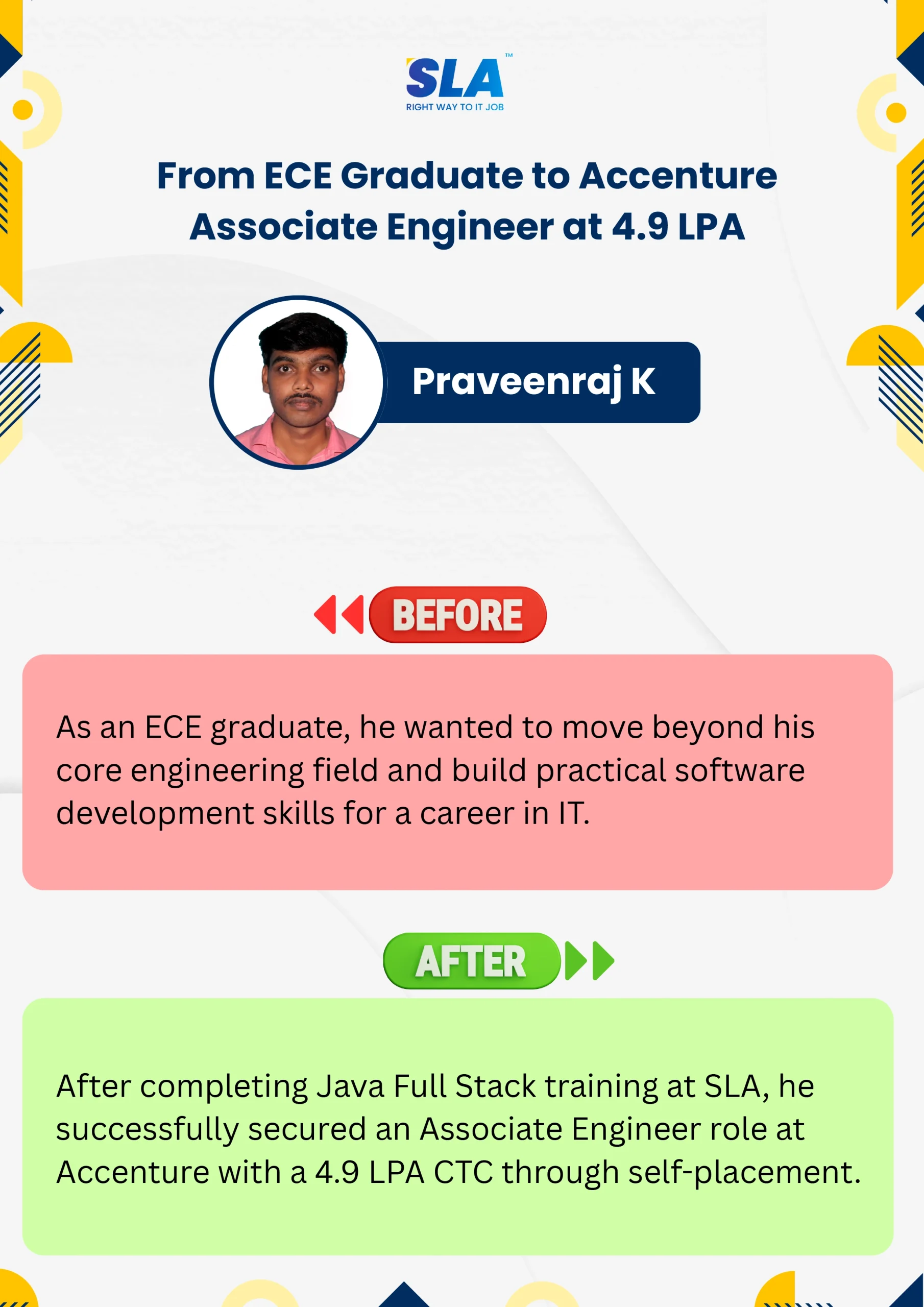
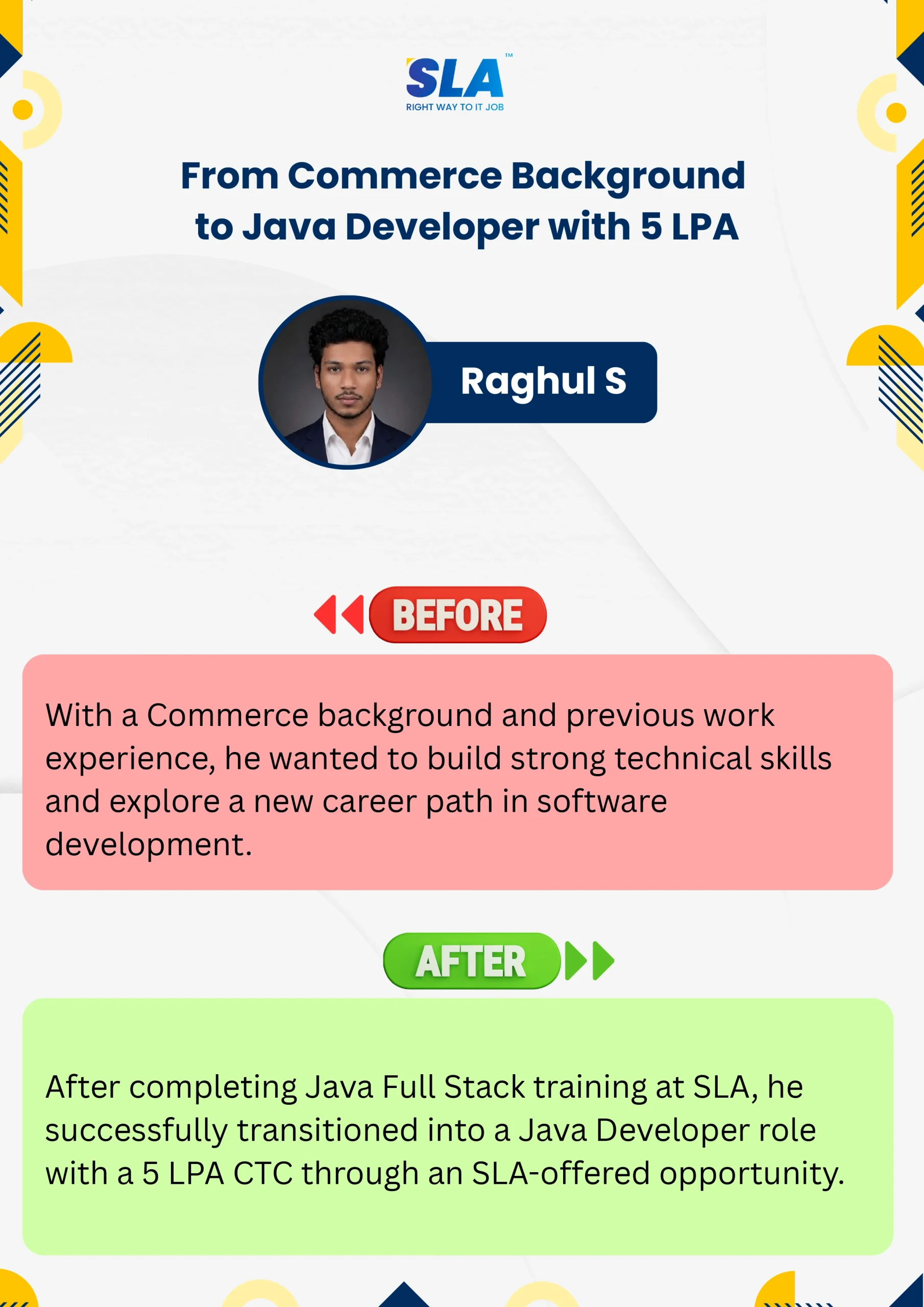
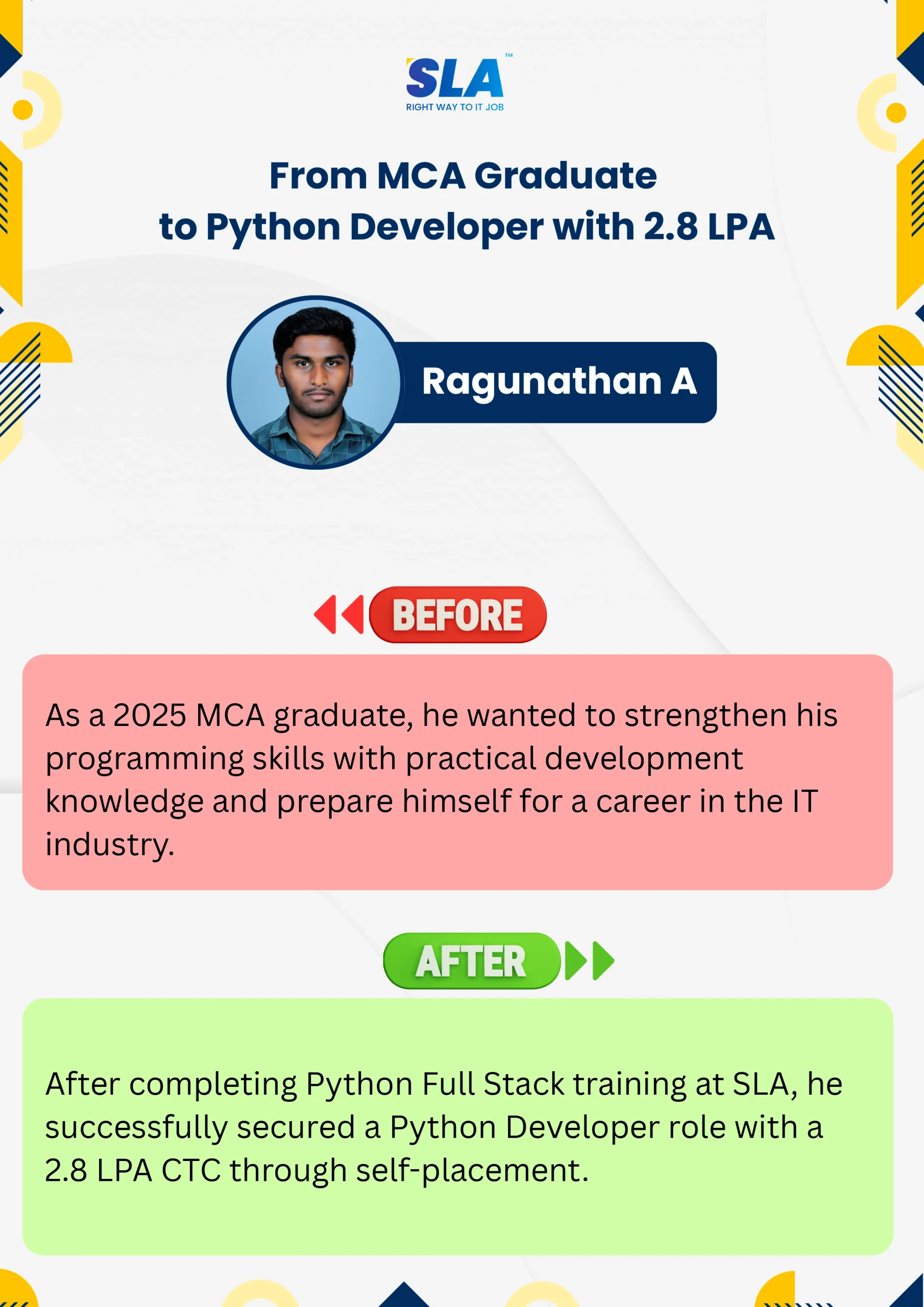
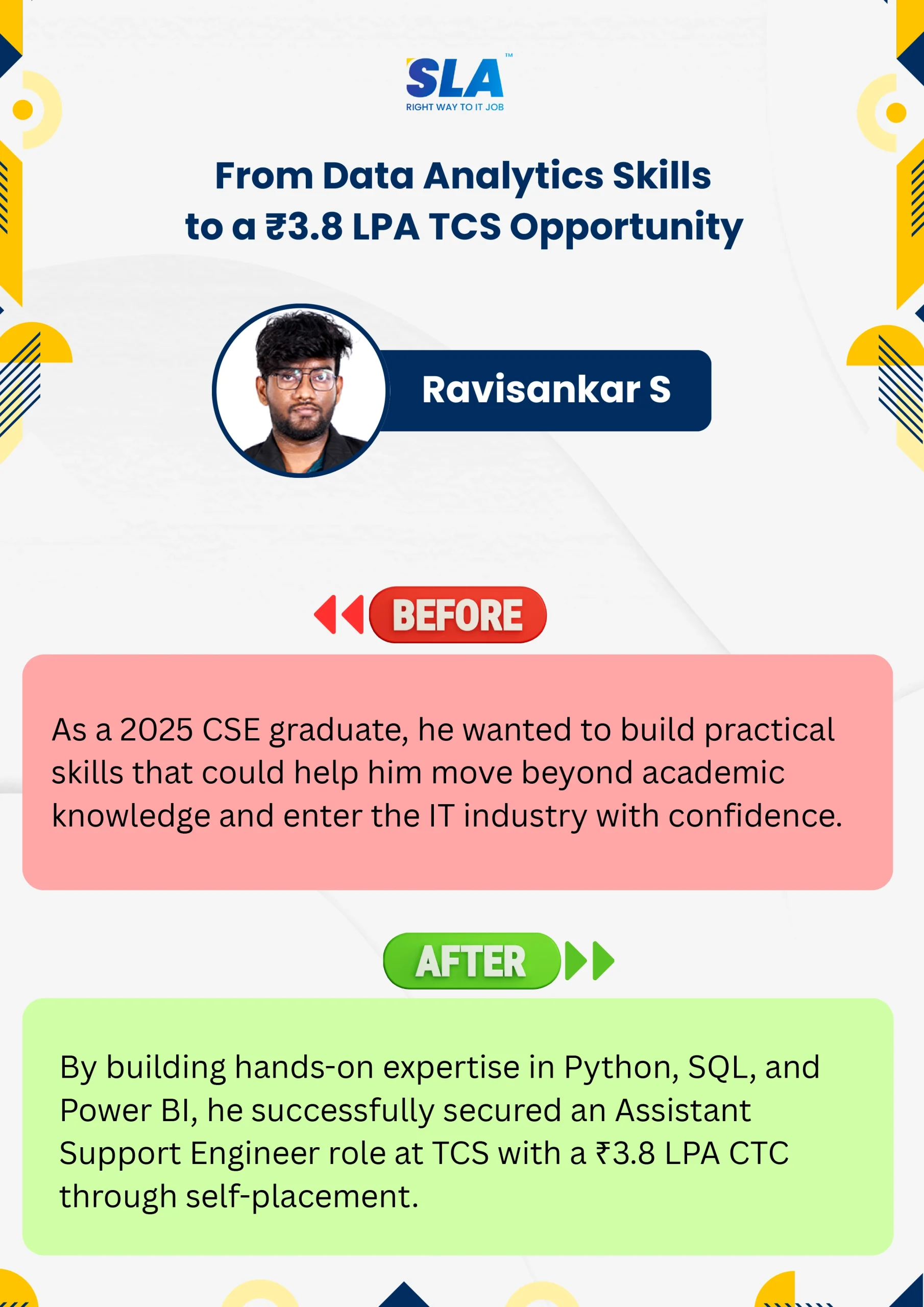
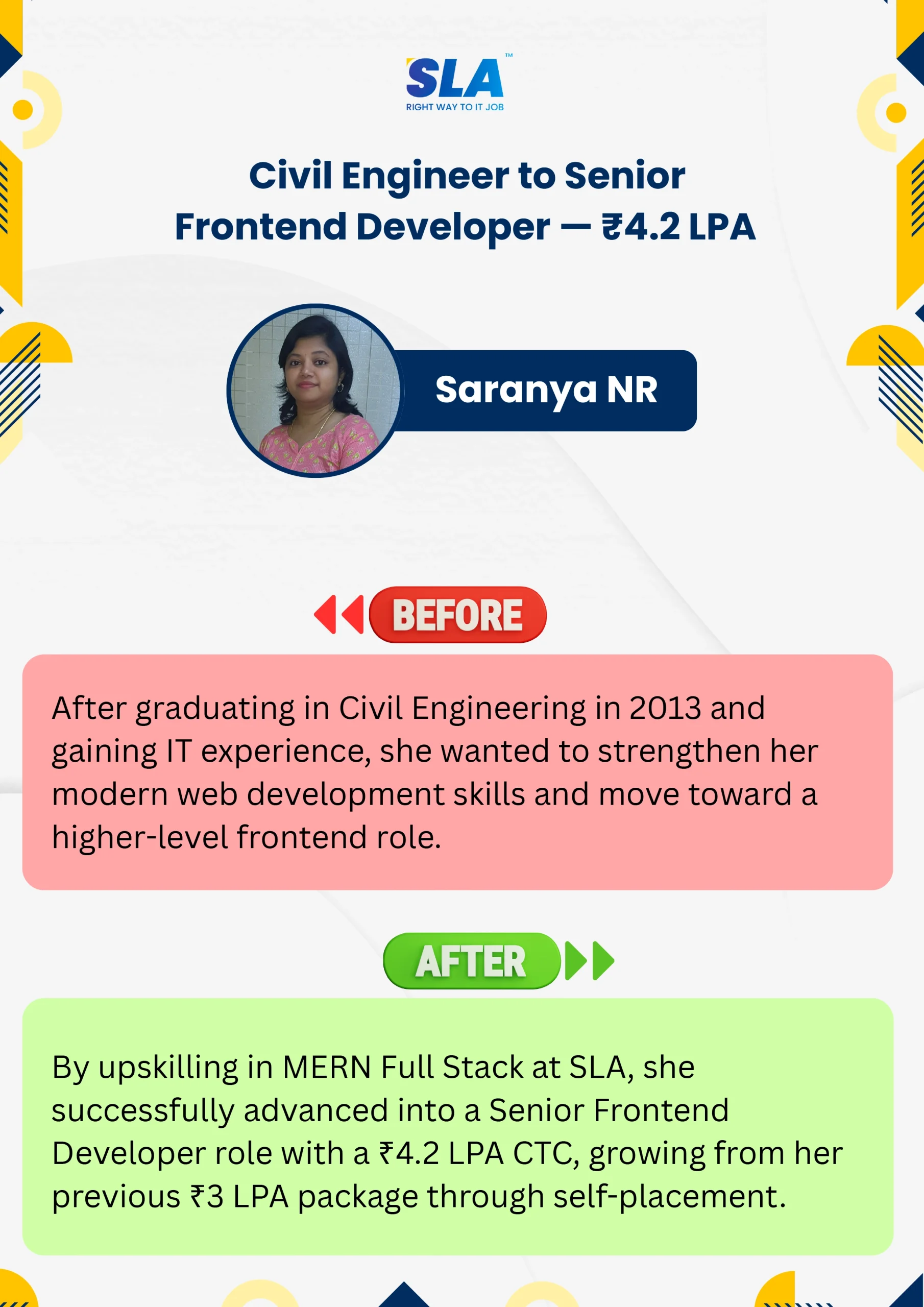
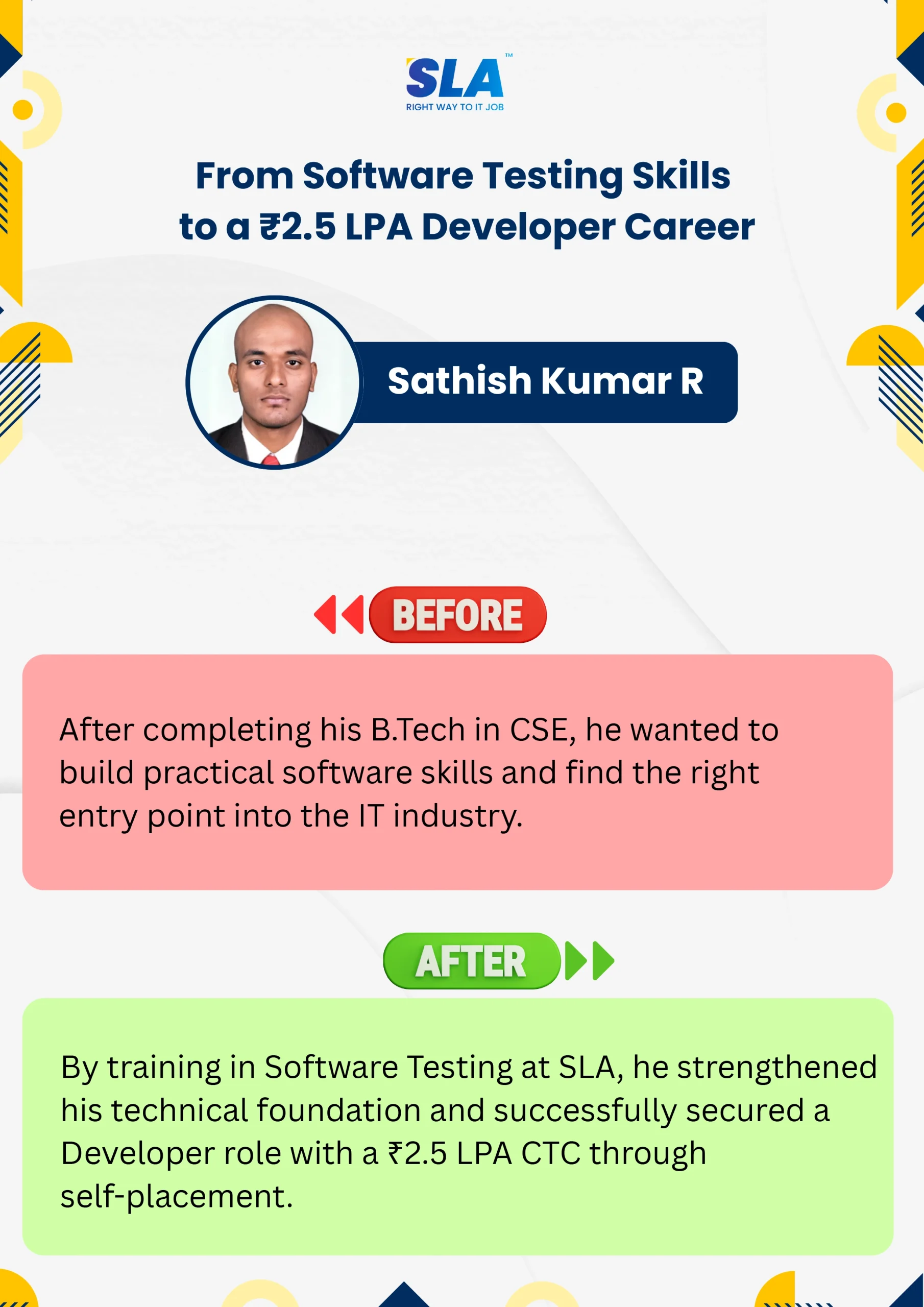
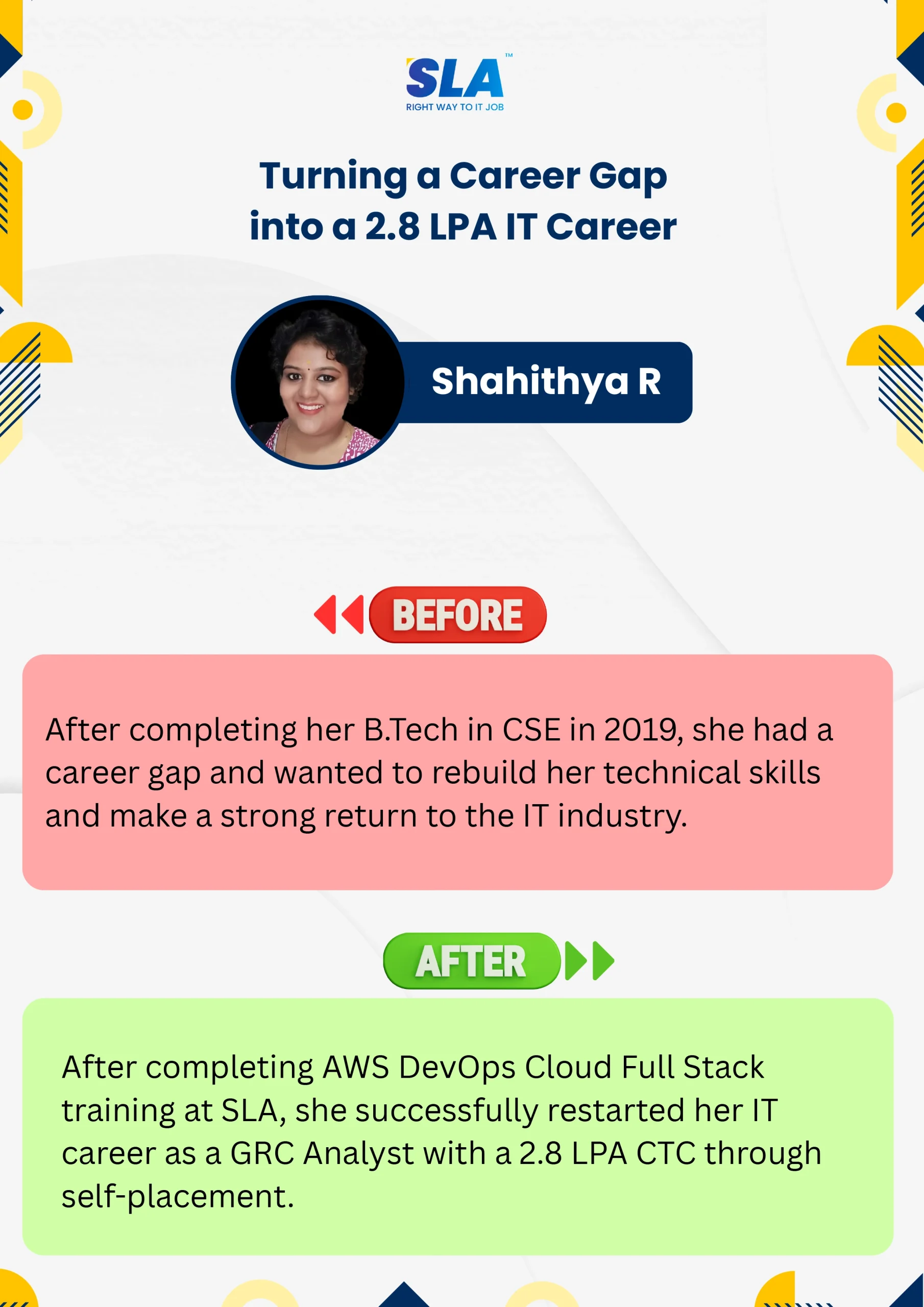
Life Changing Stories

See More Success Stories

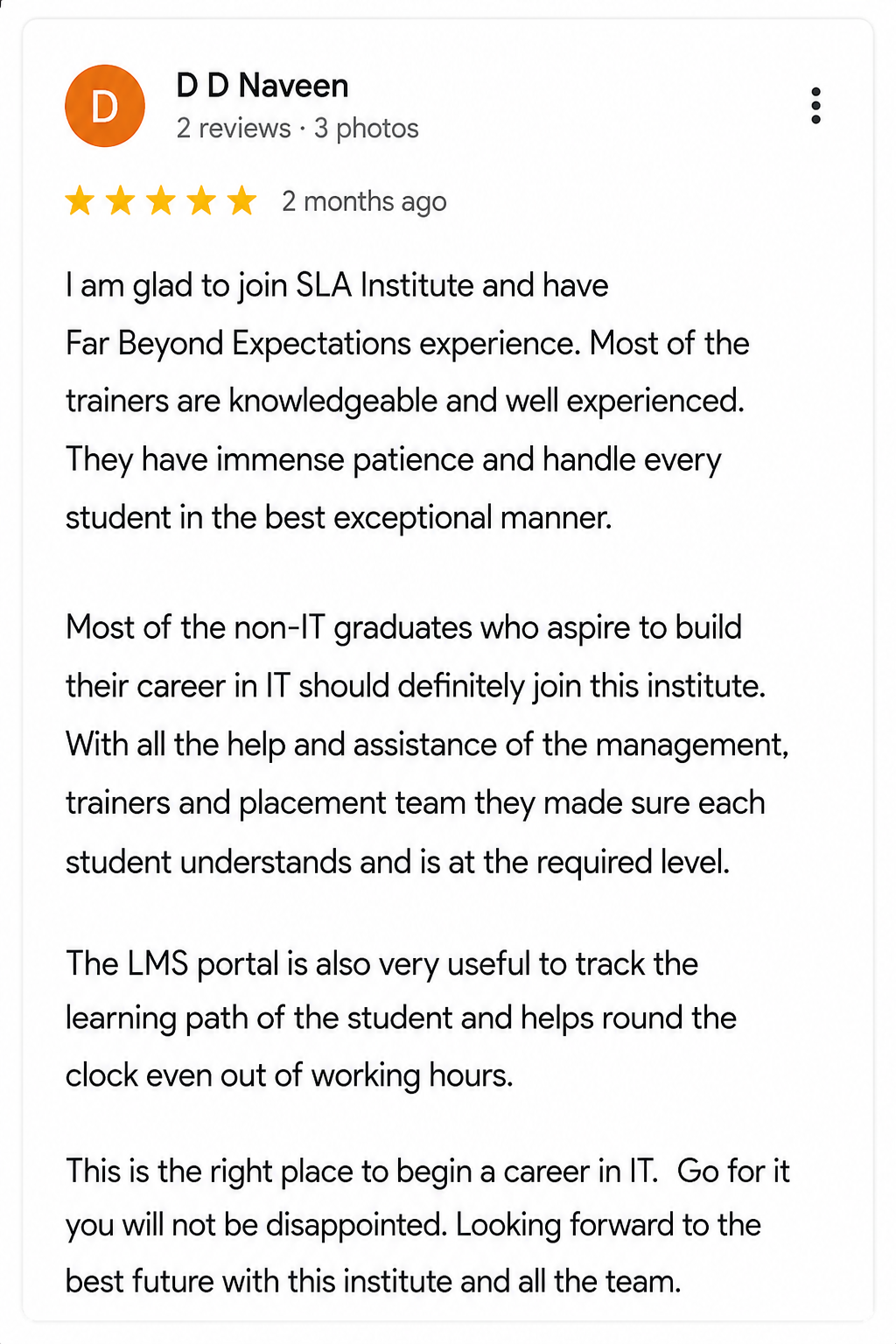
Check our Google Reviews

3D Review Carousel

Oracle PL/SQL Course Syllabus

Download Syllabus
  • Introduction Database
  • Understanding DBMS vs RDBMS
  • Gone through SQL Standards
  • Sub languages of SQL
  • Difference between 10g vs 11g vs 12c
  • Installation of 12c
  • About SQL*Plus and use of developer tool
  • Datatypes in Oracle
  • Operators in Oracle
  • Understanding Schema design and objects
  1. How to use select statement in different ways to retrieve records?
  2. Working with Column alias
  3. Working with Table alias
  4. Data filtering and sorting with in single table
  5. Clauses and its types in oracle
  6. Where clause
  7. Having clause
  8. From clause
  9. Group by clause
  10. Order by clause
  11. Using clause
  12. Constraint clause
  13. For update clause
  1. Table creation using CREATE statement
  2. Creating table from another table
  3. Dropping a table using DROP command
  4. Altering the column of a table
  5. Modifying the column datatype in a table
  6. Renaming the column of a table
  7. Renaming an entire table
  8. Using truncate command
  9. Difference between Delete and Truncate command
  1. How to copy data from one table to another table?
  2. How to copy the structure alone from a table?
  3. Different types of inserting row to an existing table
  4. Updating any value of with in a record using UPDATE command
  5. Deleting a particular record from a table
  6. Using merge & insert all command [Implementation of Project 1 ]
  1. How to declare column level constraints?
  2. How to declare row level constraints ?
  3. How to add constraints to an existing table?
  4. Types of integrity constraints
    • Not null
    • Unique key
    • Primary key
    • Referential integrity
    • Check integrity
  5. How to enable and disable constraints?
  6. How to get information about constraints?
  1. Understanding Single row functions
  2. How to use single row functions using dummy table?
  3. Types of single row functions
    • String functions
    • Date functions
    • Mathematical functions
    • Conversion functions
    • Special functions
    • Analytical functions
  4. Working with multi row functions [Implementation of Project 2]
  1. Working with aggregate function
    • Count()
    • Sum()
    • Max()
    • Min()
    • Avg()
  2. Working with group by clause
  3. Working with having clause
  4. Difference between WHERE and HAVING clause
  1. Understanding joins and its uses
  2. Types of joins
    • Equi join
    • Non – equi join
    • Self join
    • Outer join
    • Left & Right outer join
    • Full outer join
    • Cross join [Implementation of Project 3]
  • How to use set operators in a single table content?
  • Working with set operator types
    • UNION
    • UNION ALL
    • INTERSECT
    • MINUS
  • Working with pseudo columns using the following
    • ROWID
    • ROWNUM
  1. Importance of sub queries
  2. Using different types of sub queries
    • Single row sub queries
    • Multi row sub queries
    • Nested queries
    • Multi column sub queries
    • Correlated sub queries
  3. Using inline views and scalar queries [ Implementation of Project 4]
  1. Working with data query language using TCL
  2. Working with data control language commands
  3. Use of commit and rollback
  4. Use of savepoint and set transaction
  5. How to give system privileges to an user?
  6. How to invoke and revoke object privileges?
  7. How to create users and roles?
  1. Creating and working with Views
  2. Working with Synonyms
  3. Creating Index and clusters
  4. Working with in materialized view
  5. Understanding sequences and its types [Implementation of Project 5]
  1. Informal introduction to PL/SQL
  2. Advantages of PL/SQL
  3. Datatypes in PL/SQL
  4. Program structure of PL/SQL
  5. Embedding SQL statements
  6. Using conditional statements and loops
  1. What is cursor?
  2. How to create cursor?
  3. Using cursors in PL/SQL
  4. How to create explicit cursor?
  5. Creation of for loop cursor
  6. What are cursor parameters?
  7. How to use for update clause?
  8. What is ref cursors?
  9. How to use implicit cursors?
  1. What is an Exception?
  2. Describing Exception types
  3. Handling system defined exceptions
  4. Handling user defined exceptions?
  5. Sql code vs Sql errm
  6. Pragma exception_init
  • Creating procedures in Pl/SQL
  • Working with procedure parameters
    • IN parameter
    • OUT parameter
    • INOUT parameter
  • How to create procedures with cursors
  • How procedures return records?
  • What is Pragma autonomous transaction?
  1. Importance of function
  2. How to create functions?
  3. Difference between procedures and functions
  4. How to use inline functions?
  1. What is a Package?
  2. Reasons to use packages
  3. What is package specification?
  4. What is package body?
  5. How to instantiate package?
  6. How to initialize instantiated package?
  7. What are all the package state?
  1. How to create triggers?
  2. Benefits of trigger
  3. How to trigger a trigger?
  4. Using DML trigger & DDL trigger
  5. How to audit database using triggers?
  6. What are database level trigger?
  1. What is collection?
  2. How to use arrays?
  3. Using nested tables
  4. How to use index by value?
  5. Listing types of collection methods.
  6. General overview and discussion about DBA Concepts

Quick Enquiry

Placement

Dedicated placement support

Learning

Job-Centered Approach

Timings

Convenient Hrs

Mode

Online & Classroom

Certification

Industry-Accredited

Upcoming Batches

Hands On Training
3-5 Real Time Projects
60-100 Practical Assignments
3+ Assessments / Mock Interviews
November 2026
Week days
(Mon-Fri)
Online/Offline

2 Hours Real Time Interactive Technical Training

1 Hour Aptitude

1 Hour Communication & Soft Skills

(Suitable for Fresh Jobseekers / Non IT to IT transition)

Course Fee
November 2026
Week ends
(Sat-Sun)
Online/Offline

4 Hours Real Time Interactive Technical Training

(Suitable for working IT Professionals)

Course Fee

Save up to 20% in your Course Fee on our Job Seeker Course Series

Learn More

We Tie-Up with 1000+ Leading IT and MNC Companies

SLA's Hiring and Placement Partner: Observeai
SLA's Hiring and Placement Partner: Latent View
SLA's Hiring and Placement Partner: Perficient
SLA's Hiring and Placement Partner: Tech Mahindra
SLA's Hiring and Placement Partner: Siply
SLA's Hiring and Placement Partner: Bosch
SLA's Hiring and Placement Partner: Tanla
SLA's Hiring and Placement Partner: Deloitte
SLA's Hiring and Placement Partner: Merkle
SLA's Hiring and Placement Partner: TCS
SLA's Hiring and Placement Partner: Valuemomentum
SLA's Hiring and Placement Partner: Optum
SLA's Hiring and Placement Partner: Mindtree
SLA's Hiring and Placement Partner: Rakuten
SLA's Hiring and Placement Partner: GlobalLogic
SLA's Hiring and Placement Partner: Accenture
SLA's Hiring and Placement Partner: Pwc
SLA's Hiring and Placement Partner: Eurofins
SLA's Hiring and Placement Partner: Infosys
SLA's Hiring and Placement Partner: Bank Of America
SLA's Hiring and Placement Partner: Cognizant
SLA's Hiring and Placement Partner: Apollo Hospitals
SLA's Hiring and Placement Partner: Wipro
SLA's Hiring and Placement Partner: Nvidia
SLA's Hiring and Placement Partner: Prodapt
SLA's Hiring and Placement Partner: Fareportal
SLA's Hiring and Placement Partner: Goldman Sachs
SLA's Hiring and Placement Partner: Acs Solutions
SLA's Hiring and Placement Partner: CGI
SLA's Hiring and Placement Partner: Intellect
SLA's Hiring and Placement Partner: Tredence
SLA's Hiring and Placement Partner: Cyient
SLA's Hiring and Placement Partner: Needl.ai
SLA's Hiring and Placement Partner: NTT-Data
SLA's Hiring and Placement Partner: Napier
SLA's Hiring and Placement Partner: Google
SLA's Hiring and Placement Partner: Delhivery
SLA's Hiring and Placement Partner: Jio
SLA's Hiring and Placement Partner: Oracle
SLA's Hiring and Placement Partner: Samsung
SLA's Hiring and Placement Partner: Fractal
SLA's Hiring and Placement Partner: SociéTé GéNéRale
SLA's Hiring and Placement Partner: Amazon
SLA's Hiring and Placement Partner: SAP
SLA's Hiring and Placement Partner: Spanidea
SLA's Hiring and Placement Partner: Capgemini
SLA's Hiring and Placement Partner: Birlasoft
SLA's Hiring and Placement Partner: GEP
SLA's Hiring and Placement Partner: Publicis Sapient
SLA's Hiring and Placement Partner: Mentor Graphics
SLA's Hiring and Placement Partner: Highradius

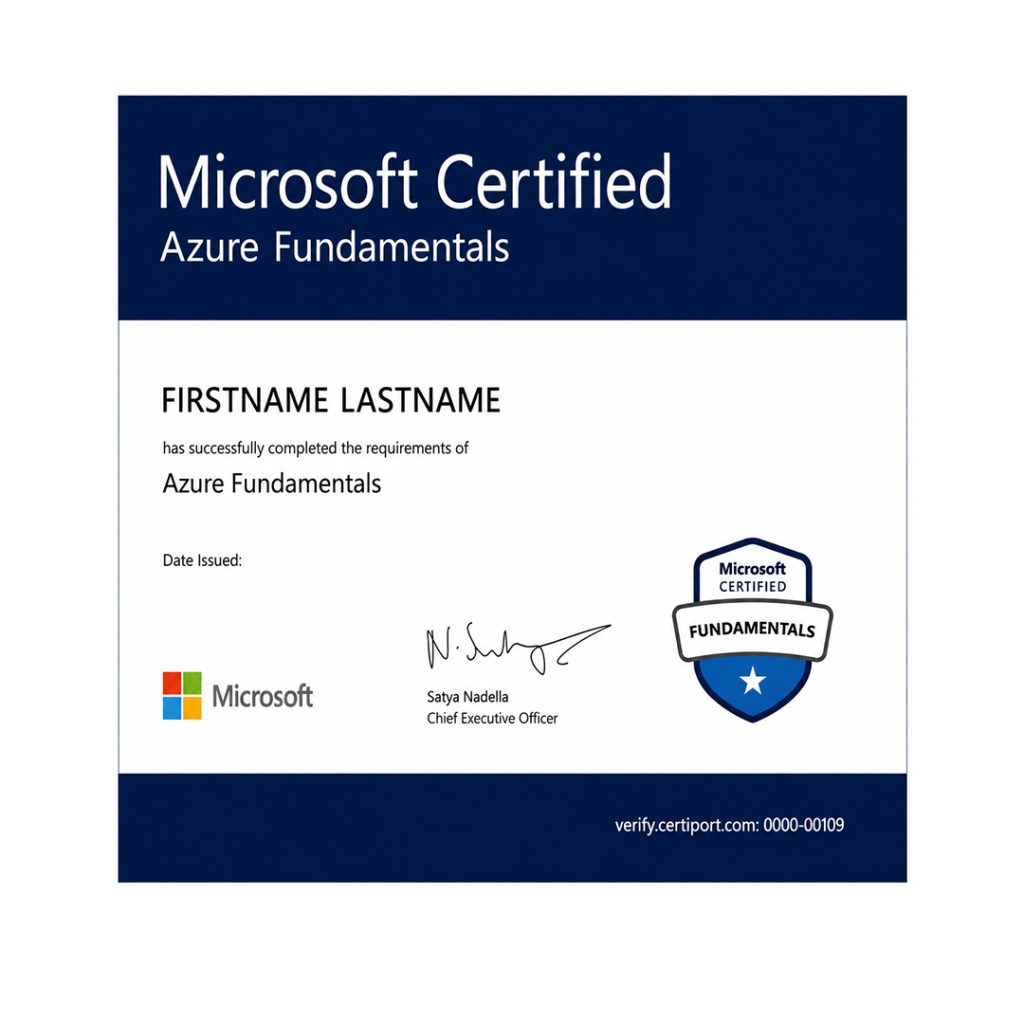
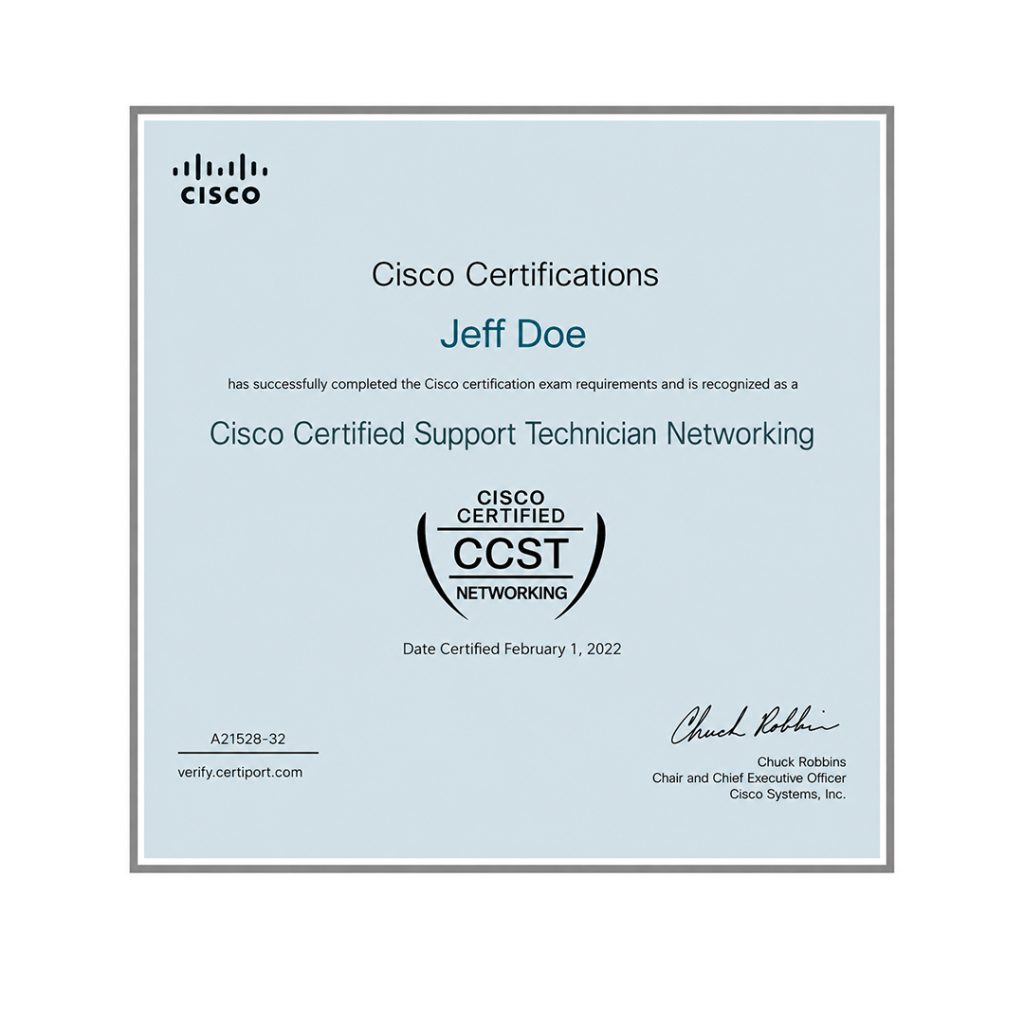
Certifications

Take your career to new heights with Softlogic's software training certifications.
Improve your abilities to get access to rewarding possibilities
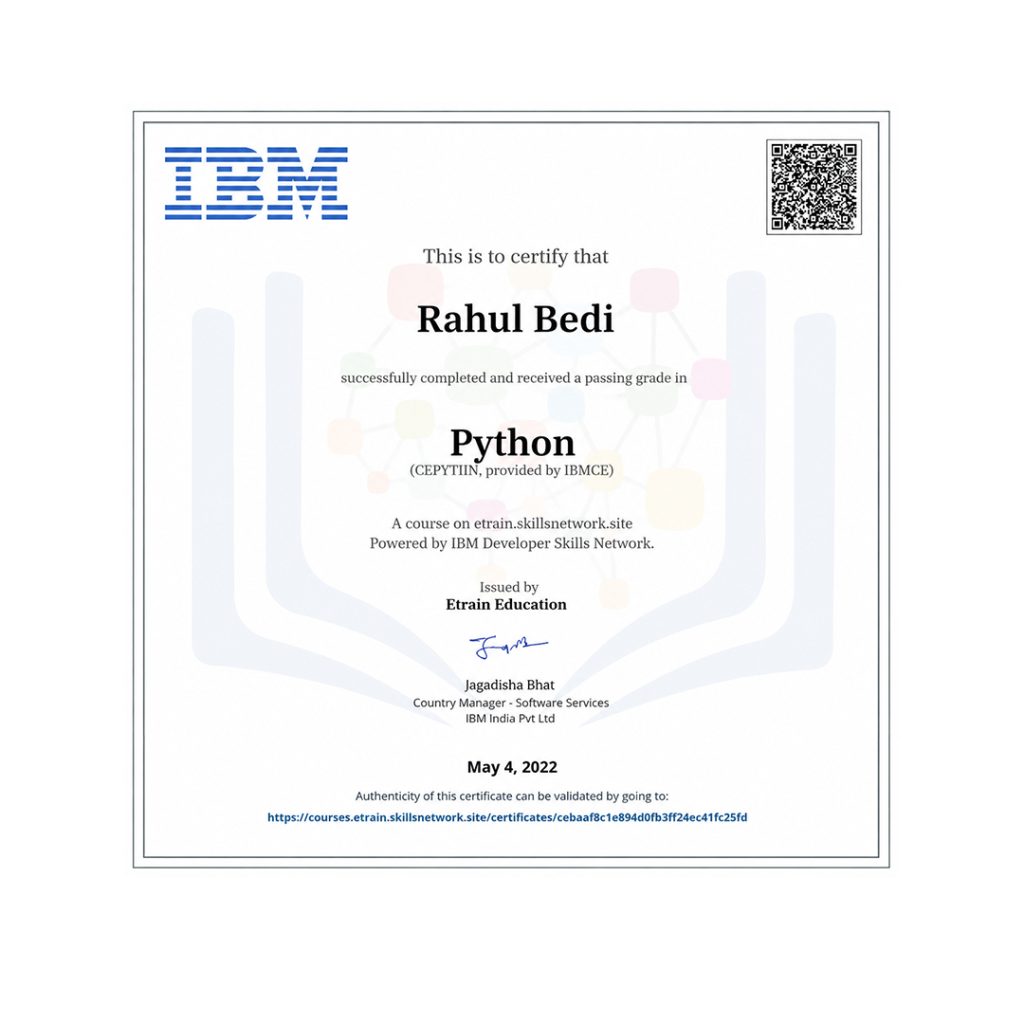
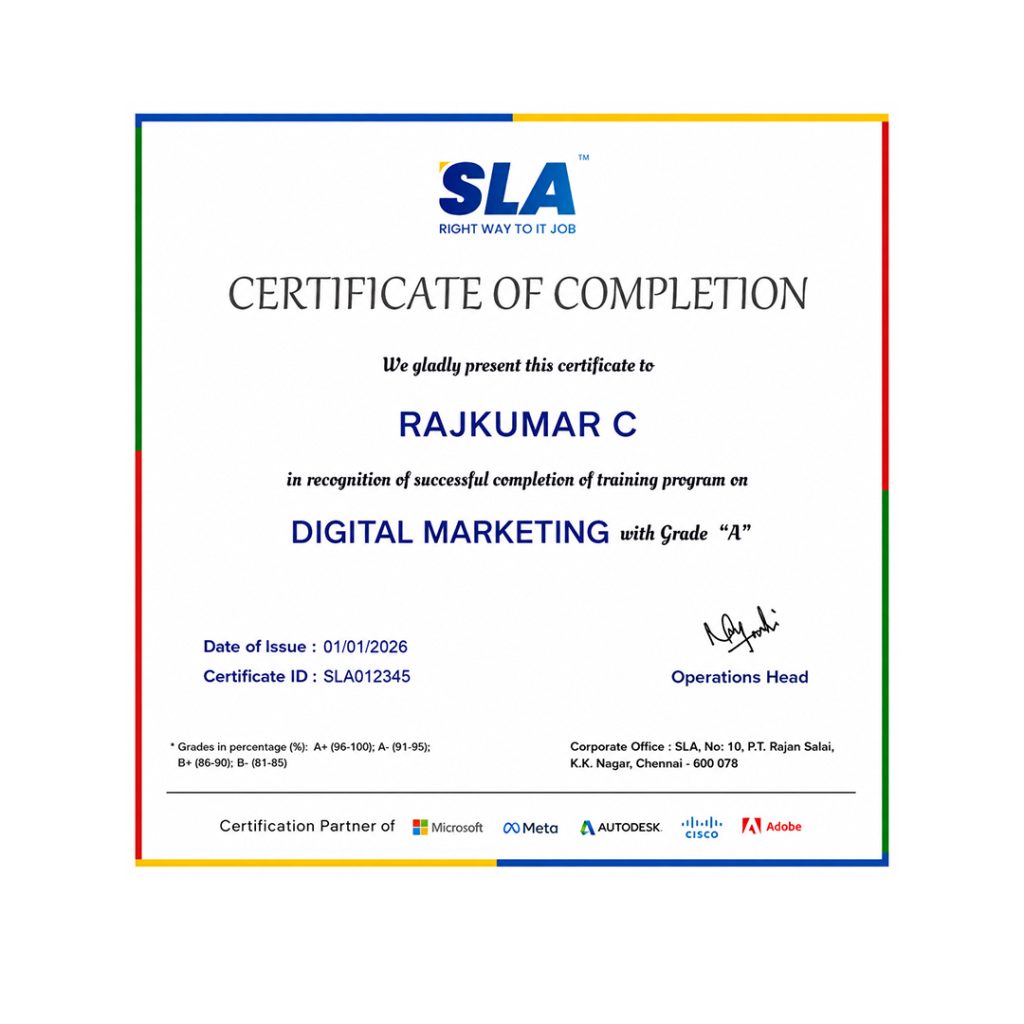
Earn Your Certificate of Completion
Validate your achievements with Softlogic's Certificate of Completion, verifying successful fulfillment of all essential components.
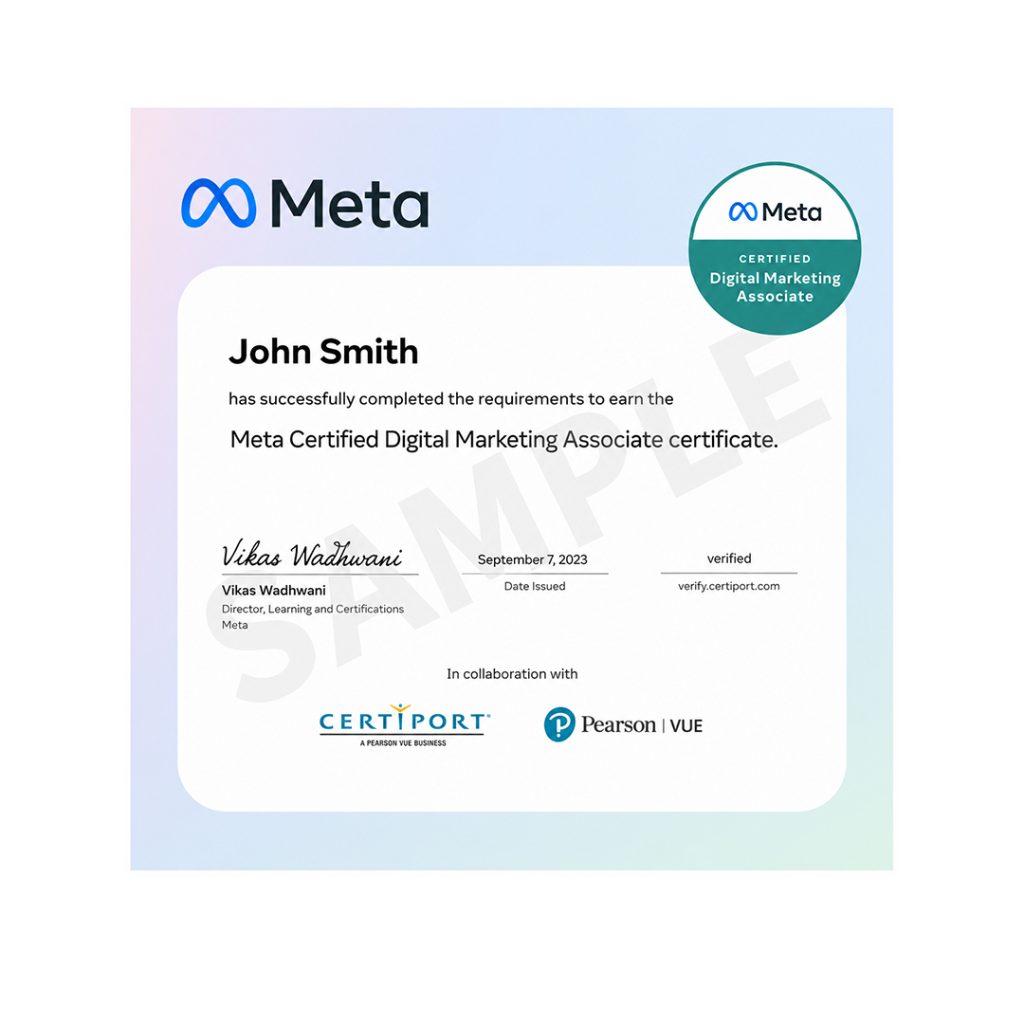
Take Your Career to the Next Level with  Certifications
Get a certifications through our training programs to gain a competitive edge in the industry.
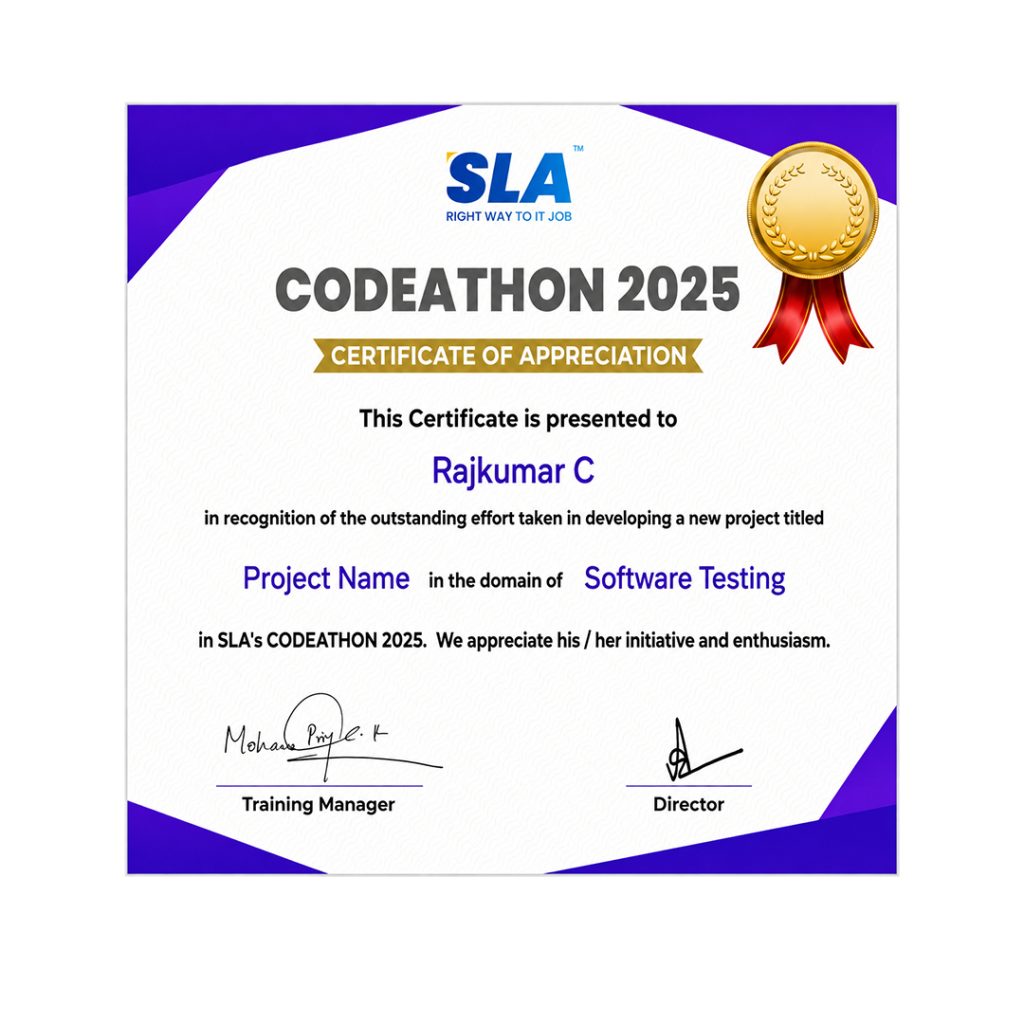
Stand Out from the Crowd with Codethon Certificate
Verify the authenticity of your real-time projects with Softlogic's Codethon certificate.

Best PL/SQL Training in Chennai

SQL is the most popular fourth generation programming language. A fourth-generation language is framed keeping in mind the convenience of users in comparison to machine languages, assembly languages, and the earlier high-level languages. SQL programming can be used optimally for searching and modifying database records. Being a procedural extension of SQL, PL/SQL (procedural language extensions to the structured query language) allows writing procedural codes that comprise SQL. 

PL/SQL program units are efficiently compiled by the Oracle database server and stored within the database. During run-time, both PL/SQL and SQL run within the scope of the same server process, thereby generating good efficiency. The best part is that PL/SQL automatically inherits the security, dynamic nature, and portability of the Oracle database.  If you want to learn about how to create and manage PL/SQL program units, PL/SQL datatypes, the role of SQL in PL/SQL, etc. enroll in the Best PL/SQL Training Institute in Chennai. 

Scope of PL/SQL Training in Chennai

Since PL/SQL is SQL’s procedural extension, it becomes one of the easiest languages to code with SQL. You even don’t need understanding of APIs that are used to perform important functions like creating statements, processing outcomes etc. PL/SQL developers are essentially Oracle developers with fair knowledge of PL/SQL. 
Simply being aware of PL/SQL concepts will not be enough for your career growth. One must have fair knowledge of Python, Java, data warehousing, and shell scripting too. Besides, if you gain knowledge of various database engines including MySQL, SQL server, NoSQL, it is a good addition. The Best PL/SQL Training Institute in Chennai ensures that all the concepts related to PL/SQL including PL/SQL architecture, program block structure, basic syntax of PL/SQL, PL/SQL operators , installation of PL/SQL, etc. are  taught.  

Achieve Your Goals With SLA

SLA builds your future with comprehensive coursework and unparalleled placement support.
Register For Free Demo

Project Practices on Oracle PL/SQL Training

Project 4

Prerequisites for learning PL/SQL Training in Chennai

For learning PL/SQL from the PL/SQL Course in Chennai, it would be an added advantage if you have fundamental grasp of SQL and some knowledge of programming concepts applied in C language.  

Who should attend our PL/SQL Training Institute in Chennai?

  • Any seasoned professional who wishes to upgrade their skills with PL/SQL.
  • Any aspiring college pass-outs who want to get in-depth knowledge of PL/SQL and its relation with SQL.

  • Database administrators
  • Software developers etc. 

Want to learn with a personalized course curriculum?

Oracle PL/SQL Course FAQ

The SLA Way to Get Placed

The SLA Way to Get Placed

Seven connected stages, one continuous path from enrollment to your career launch — here is exactly how it works, step by step.

01
🎓

Technical Mastery

Industry-aligned curriculum, daily coding tasks, real-time projects.

02
💻

Career Readiness

Aptitude, communication, ATS-friendly resume optimization.

03
🎯

Placement Prep

Aptitude, communication tuning and technical interview mastery.

04
💬

Panel Mock Interviews

Real company-pattern mocks with expert panel feedback.

05
👨‍💼

Interview Schedule

Multiple company drives with lifetime placement support.

06
📝

Interview Feedback

Detailed performance analysis and one-on-one guidance.

07
🏆

Launch Your Career

Land your first job with lifetime alumni and career support.

Know the process

Listen to Our Students' Video Testimonials

Just a minute!

If you have any questions that you did not find answers for, our counsellors are here to answer them. You can get all your queries answered before deciding to join SLA and move your career forward.

We are excited to get started with you

Give us your information and we will arange for a free call (at your convenience) with one of our counsellors. You can get all your queries answered before deciding to join SLA and move your career forward.