C Sharp Course Syllabus

duration
2-3 months
EMI
0% Interest
Mode
Live Online & Classroom Training
SLA Institute’s C Sharp Course Syllabus comes with 100% placement support so students will be guaranteed a placement in an esteemed organization. In addition to that the C Sharp Course Syllabus is also carefully curated with the help of leading professionals and experts from the IT industry with so many hours invested in it. So, everything that our students learn in the C Sharp course is fully up-to-date to the current trends in the IT industry, which increases their chances of getting employed.
GET YOUR JOB ELIGIBILITY REPORT

Let's take the first step to becoming an expert in
Click Here to Get Started
100% Placement Assurance
Get Certified
Course Syllabus
Download SyllabusModule 1: Introduction to C# and .NET Framework
- Overview of C# and Its Features
- Introduction to .NET Framework and .NET Core
- Setting Up the Development Environment (Visual Studio, .NET SDK)
- Writing and Executing Your First C# Program
- Understanding Common Language Runtime (CLR)
Module 2: C# Language Fundamentals
- Data Types and Variables
- Operators and Expressions
- Control Flow Statements (if, switch, loops)
- Working with Arrays and Collections
- String Manipulation and Formatting
Module 3: Object-Oriented Programming in C#
- Classes and Objects
- Constructors and Destructors
- Inheritance and Polymorphism
- Abstract Classes and Interfaces
- Encapsulation and Properties
Module 4: Exception Handling and Debugging
- Understanding Exceptions and Error Handling
- Try, Catch, and Finally Blocks
- Custom Exceptions
- Debugging Techniques in Visual Studio
- Logging and Diagnostics
Module 5: Working with C# Collections and Generics
- Lists, Dictionaries, and HashSets
- Stacks and Queues
- LINQ (Language Integrated Query)
- Using Generics in C#
- Lambda Expressions and Delegates
Module 6: File Handling and I/O Operations
- Reading and Writing Files
- Working with Streams (FileStream, MemoryStream)
- Serialization and Deserialization (JSON, XML)
- Handling Directories and Filesystem Operations
Module 7: Database Connectivity with C#
- Introduction to ADO.NET
- Connecting C# with SQL Server and MySQL
- Executing Queries and Stored Procedures
- Using Entity Framework (EF Core)
- CRUD Operations with Databases
Module 8: Advanced C# Features
- Multithreading and Asynchronous Programming (async/await)
- Task Parallel Library (TPL)
- Reflection and Attributes
- Dependency Injection and Inversion of Control
- Working with APIs in C#
Module 9: Windows Forms and WPF Development
- Introduction to WinForms and Windows Presentation Foundation (WPF)
- Building Graphical User Interfaces (GUIs)
- Event Handling and Controls
- Data Binding in WPF
- MVVM (Model-View-ViewModel) Architecture
Module 10: Web Development with ASP.NET Core
- Introduction to ASP.NET Core MVC
- Building Web Applications with Razor Pages
- RESTful API Development with ASP.NET Core
- Authentication and Authorization
- Deploying ASP.NET Applications
Module 11: Testing and Security in C#
- Unit Testing with NUnit and xUnit
- Secure Coding Practices
- Authentication and Authorization
- Encryption and Data Protection
Module 12: Cloud and Microservices with C#
- Introduction to Microservices Architecture
- Building Microservices with ASP.NET Core
- Integrating C# with Azure and AWS
- CI/CD Pipelines for C# Applications
Module 13: Career Path and Project Work
- Industry Best Practices in C# Development
- Resume Building and Interview Preparation
- Capstone Project: Develop a Real-World C# Application
In conclusion, the C Sharp Course Syllabus at SLA Institute gives you a base in C# programming and .NET development. You will get hands-on training. Learn from real-life examples, which will help you feel confident in building applications that can grow. This course teaches you the coding skills you need. It also gets you ready for job chances in software, web and application development, with C Sharp. The C Sharp Course Syllabus covers everything you need to know about C# programming.
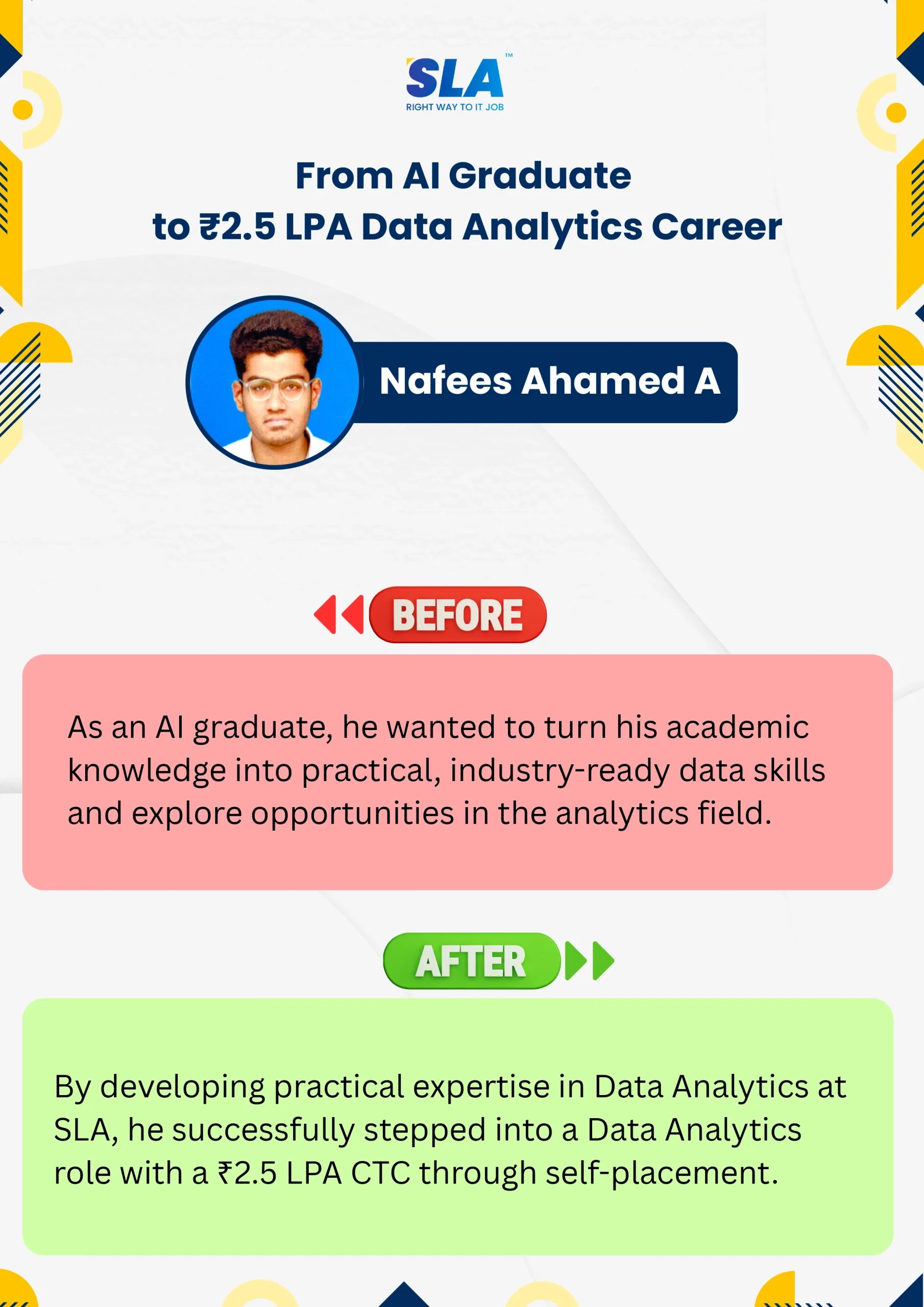
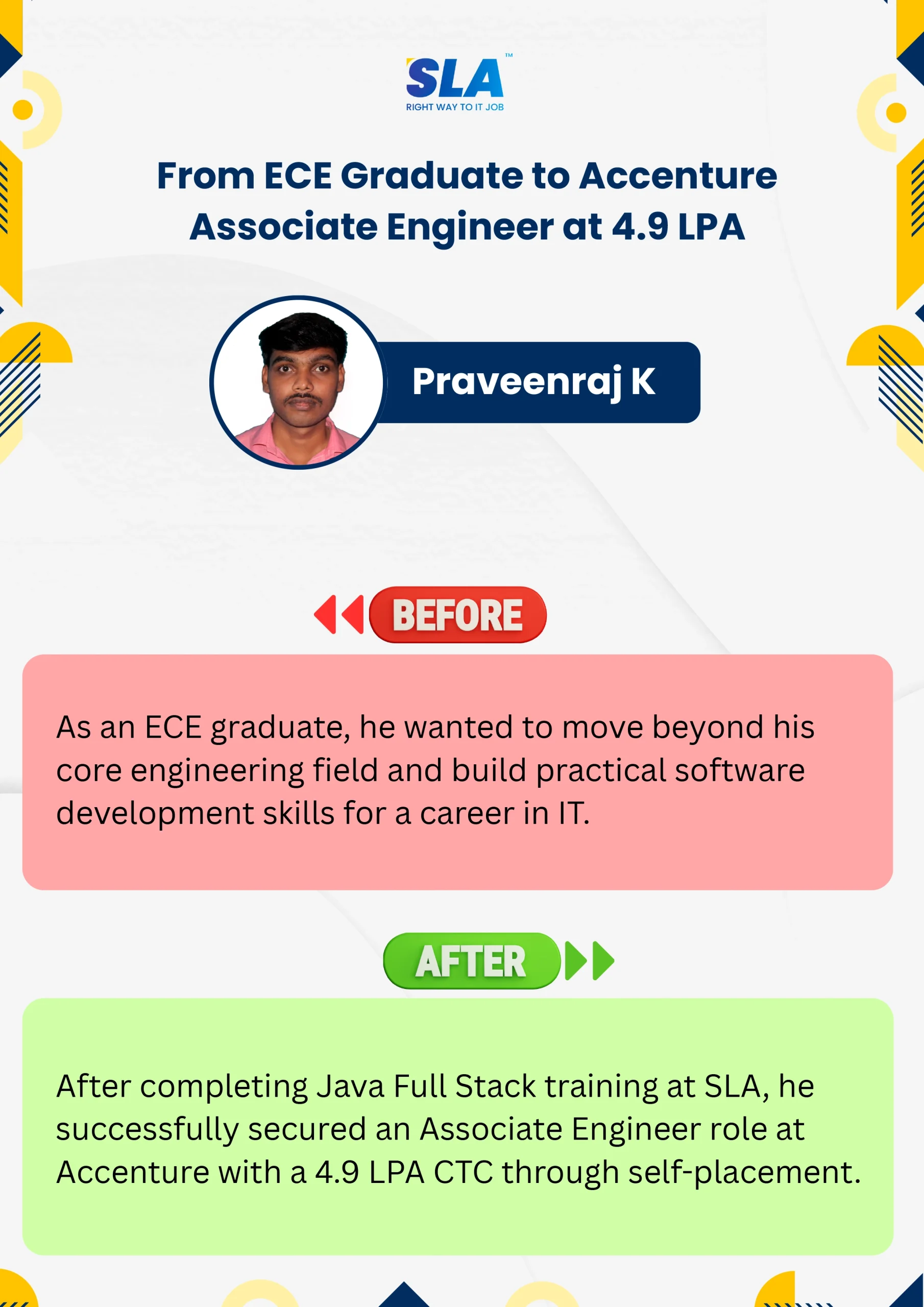
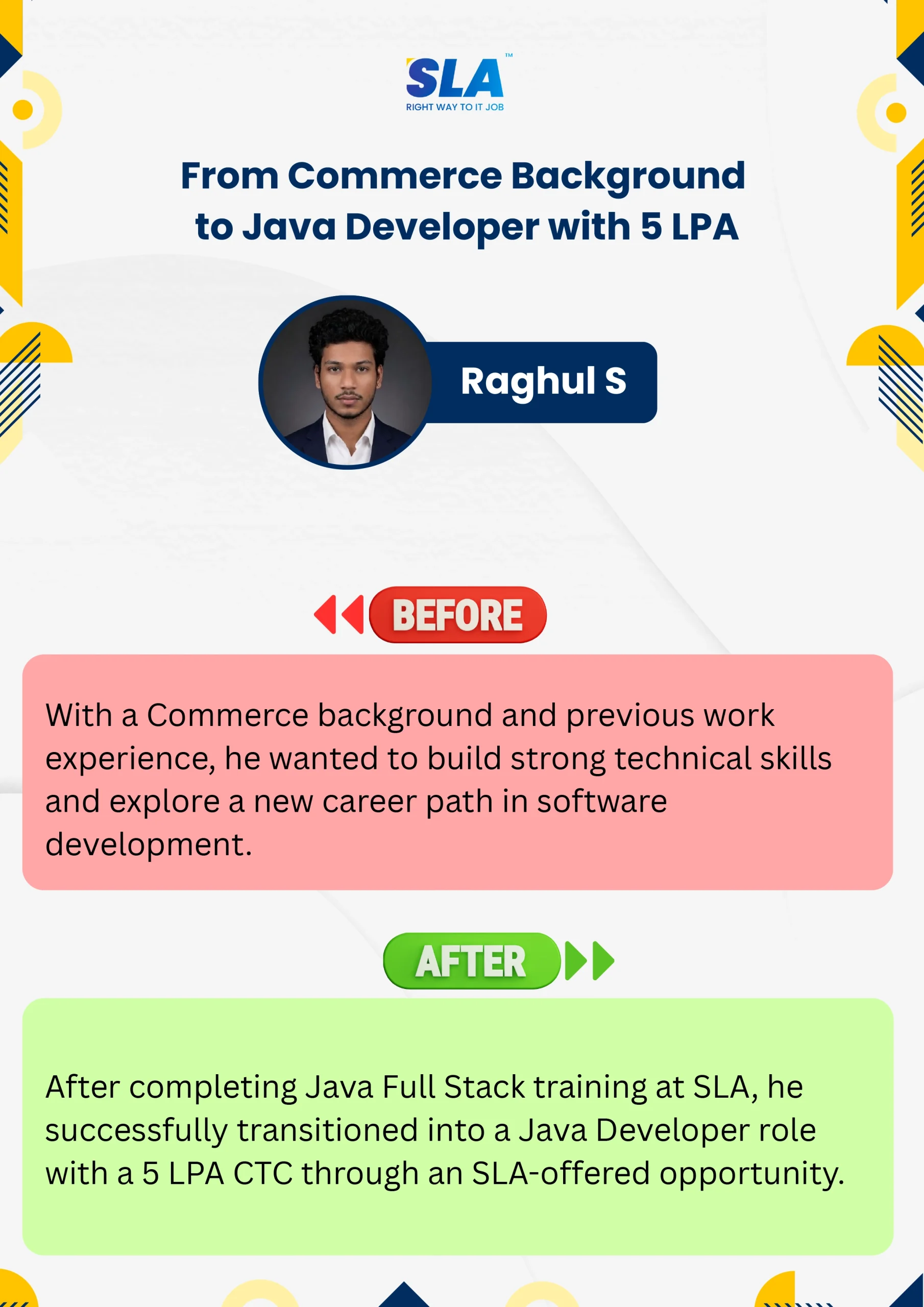
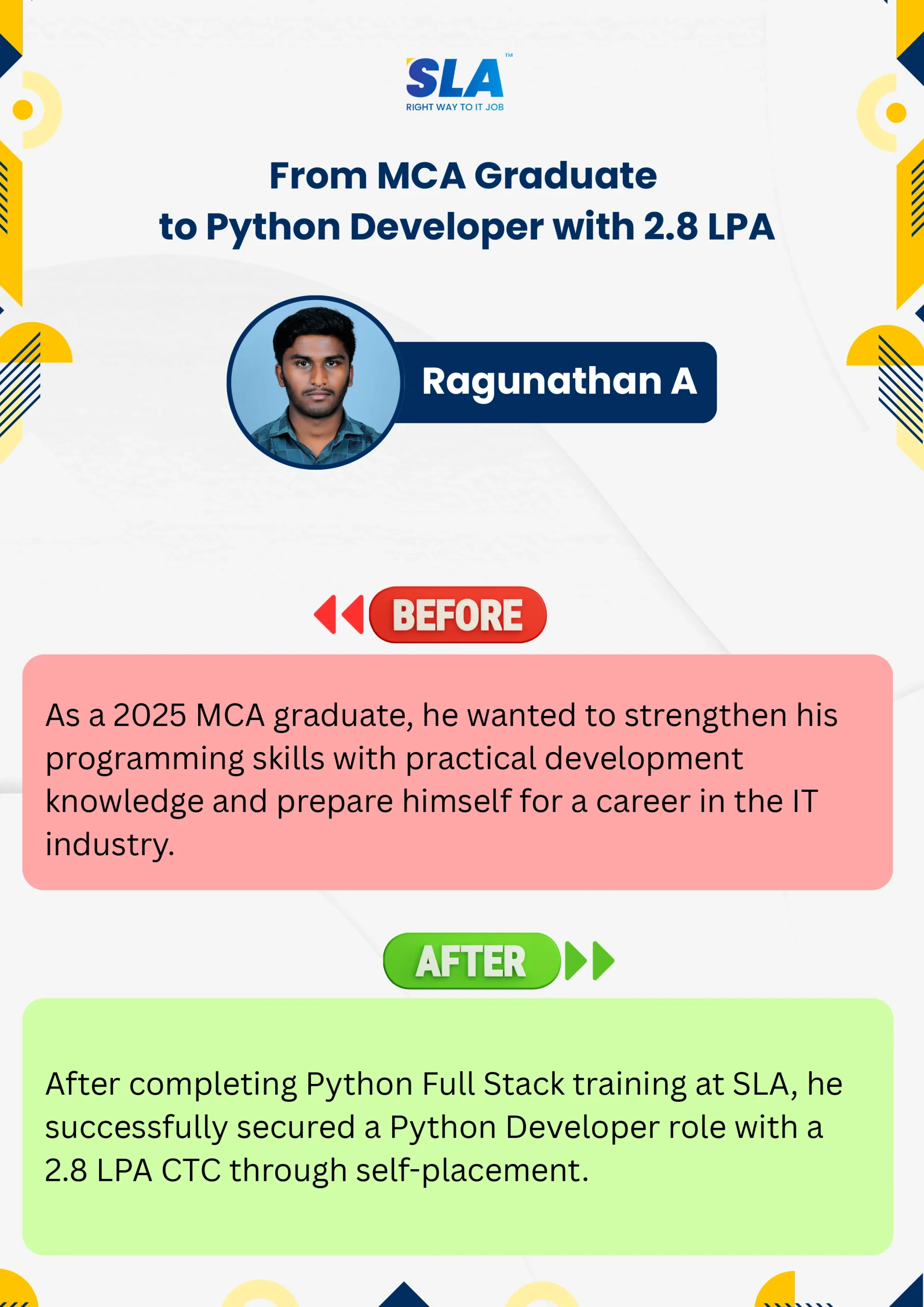
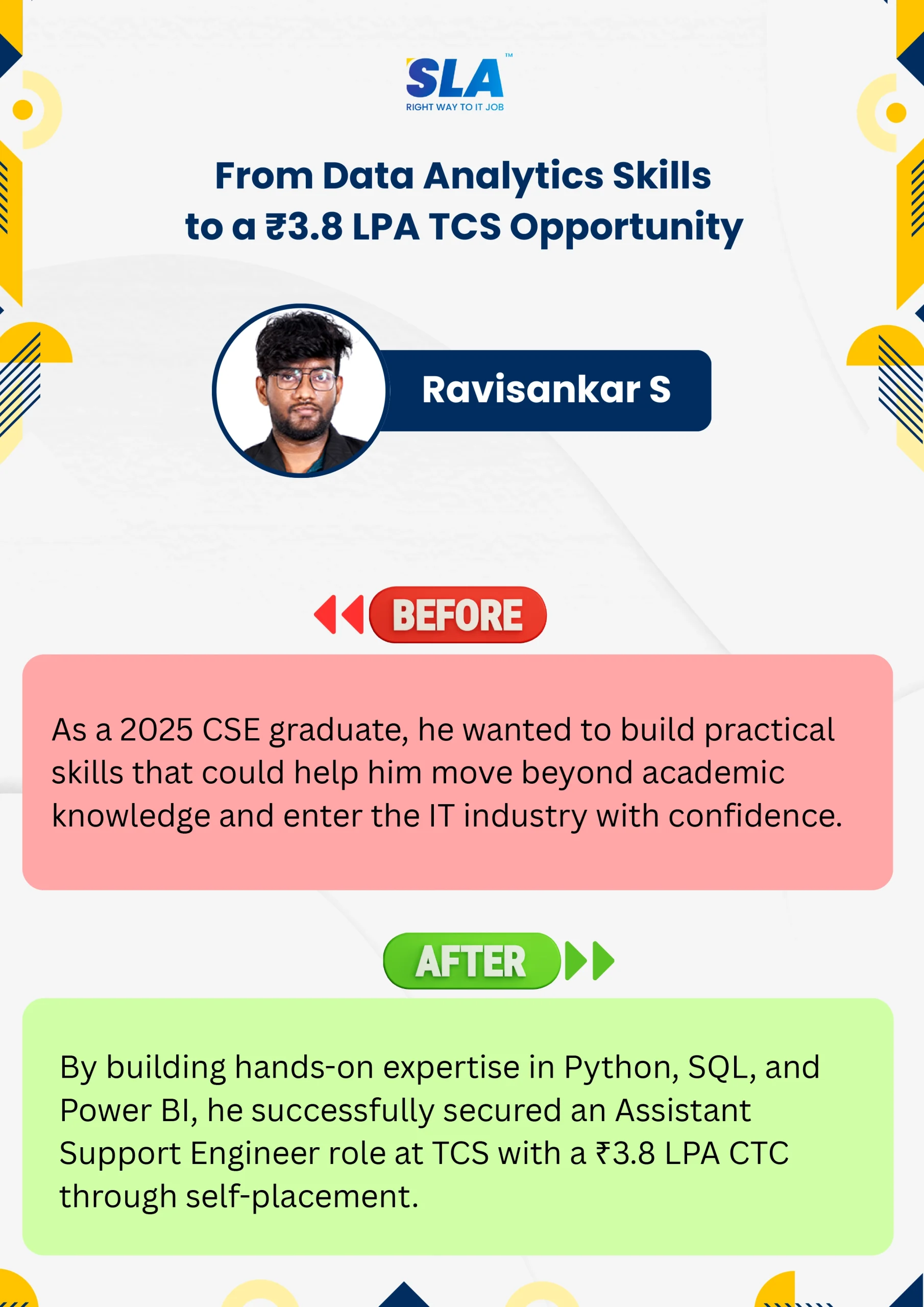
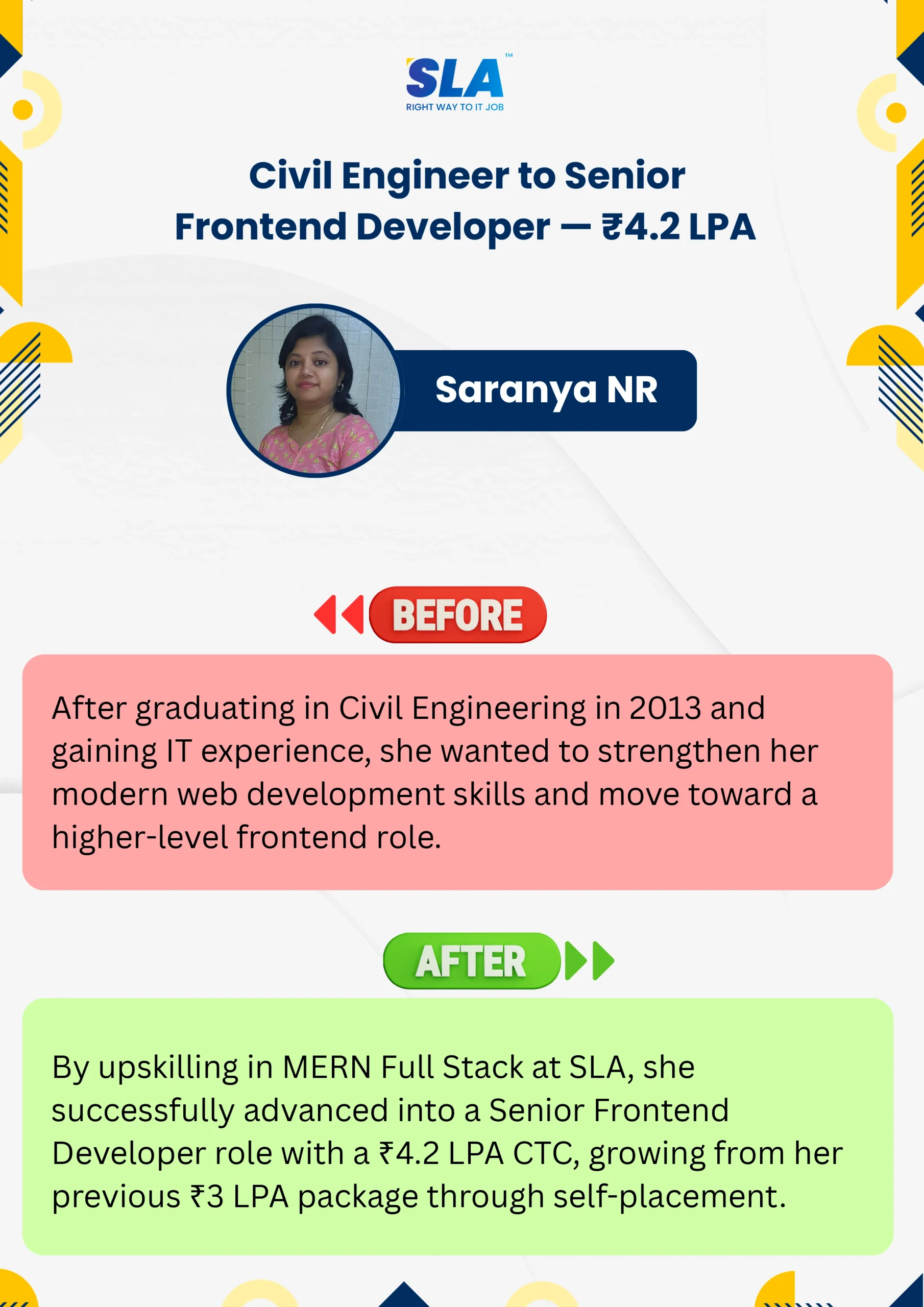
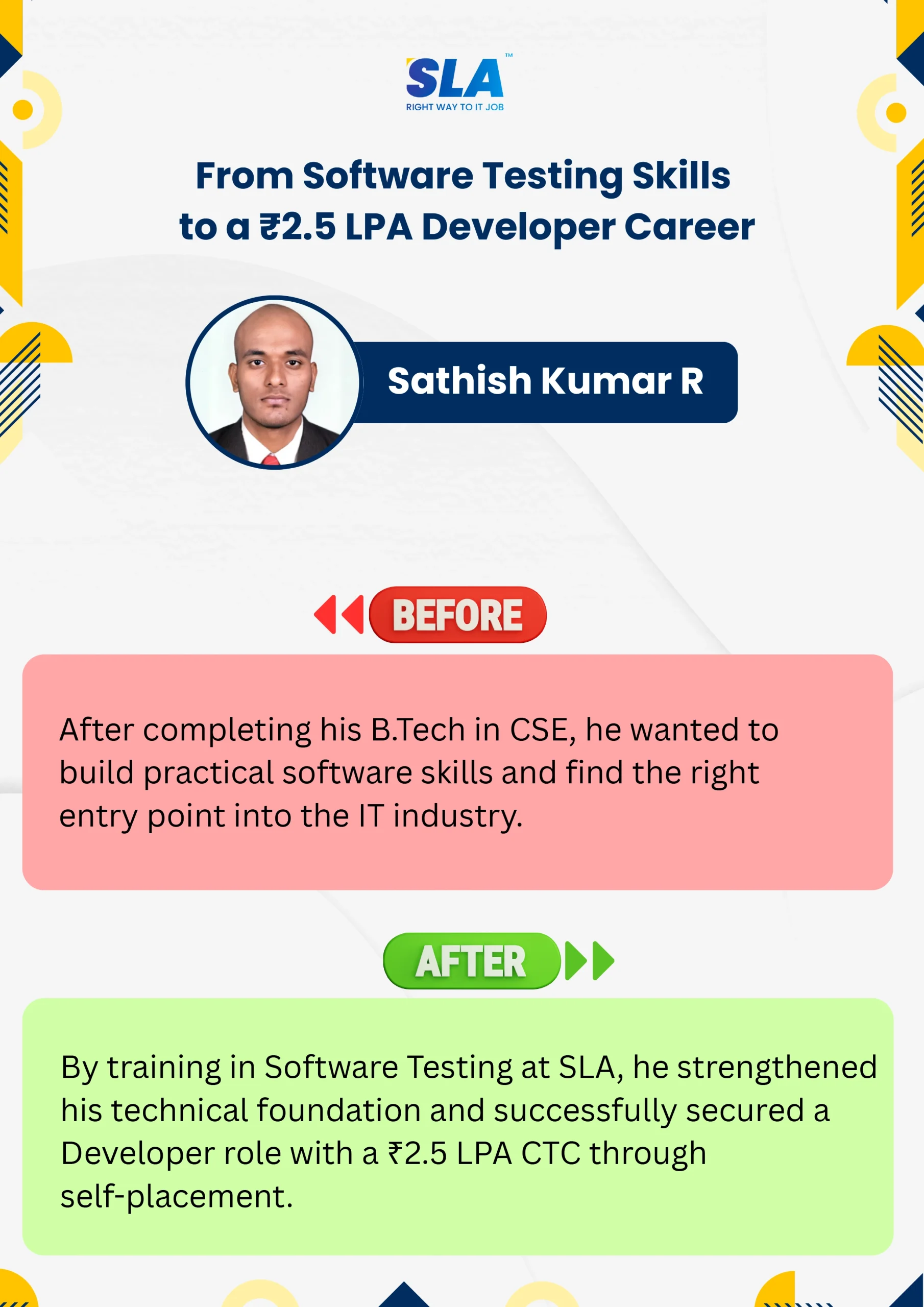
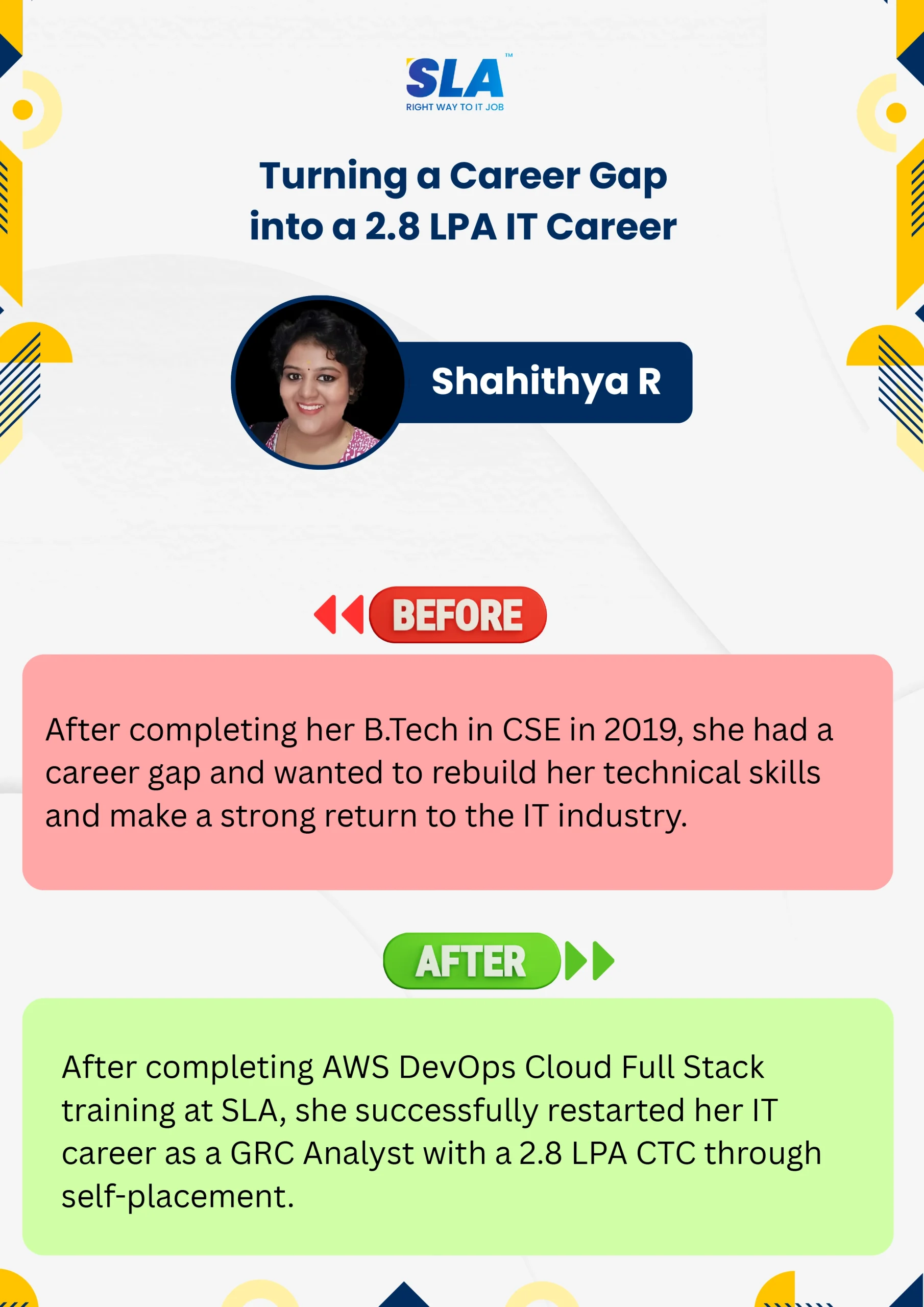
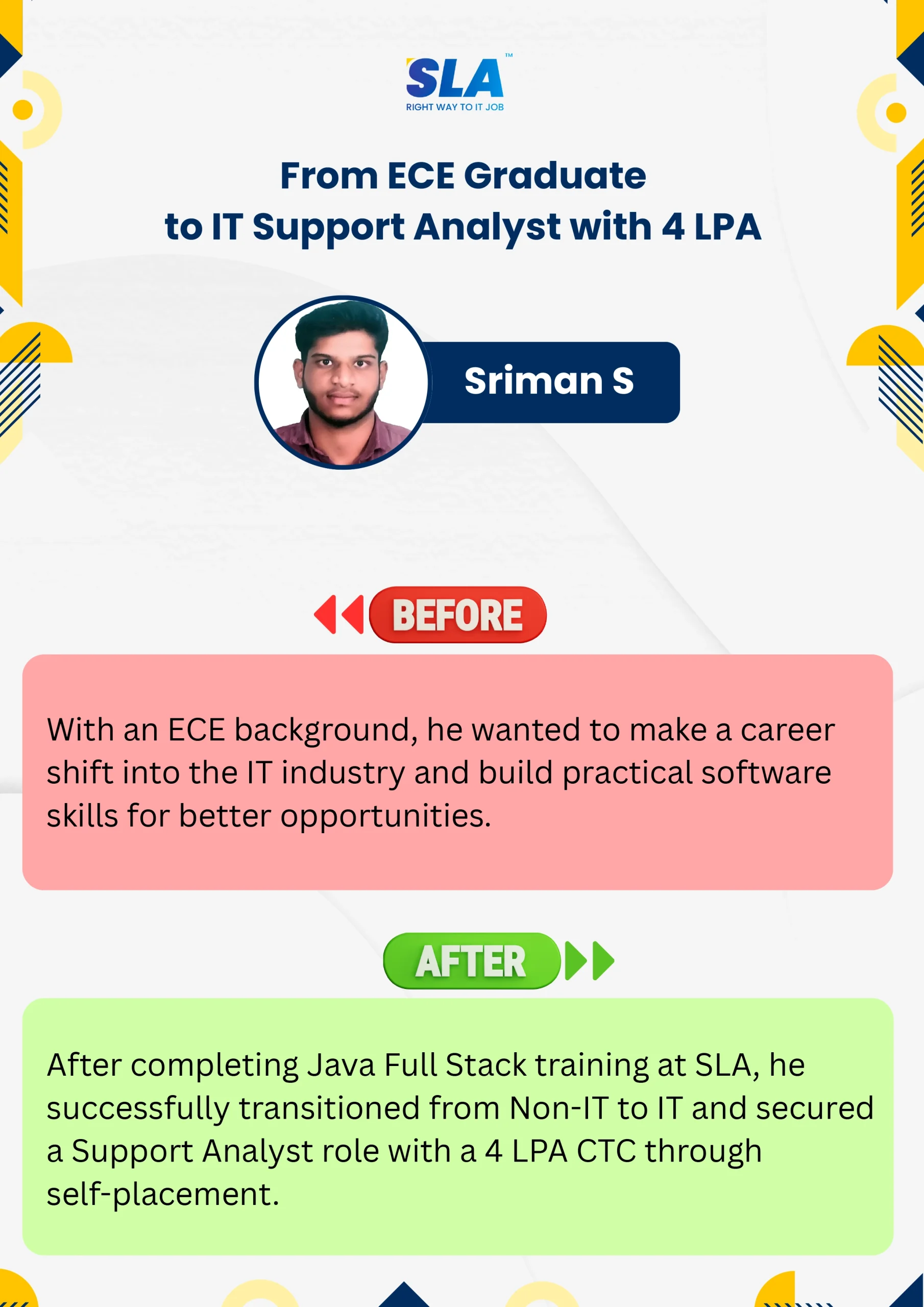
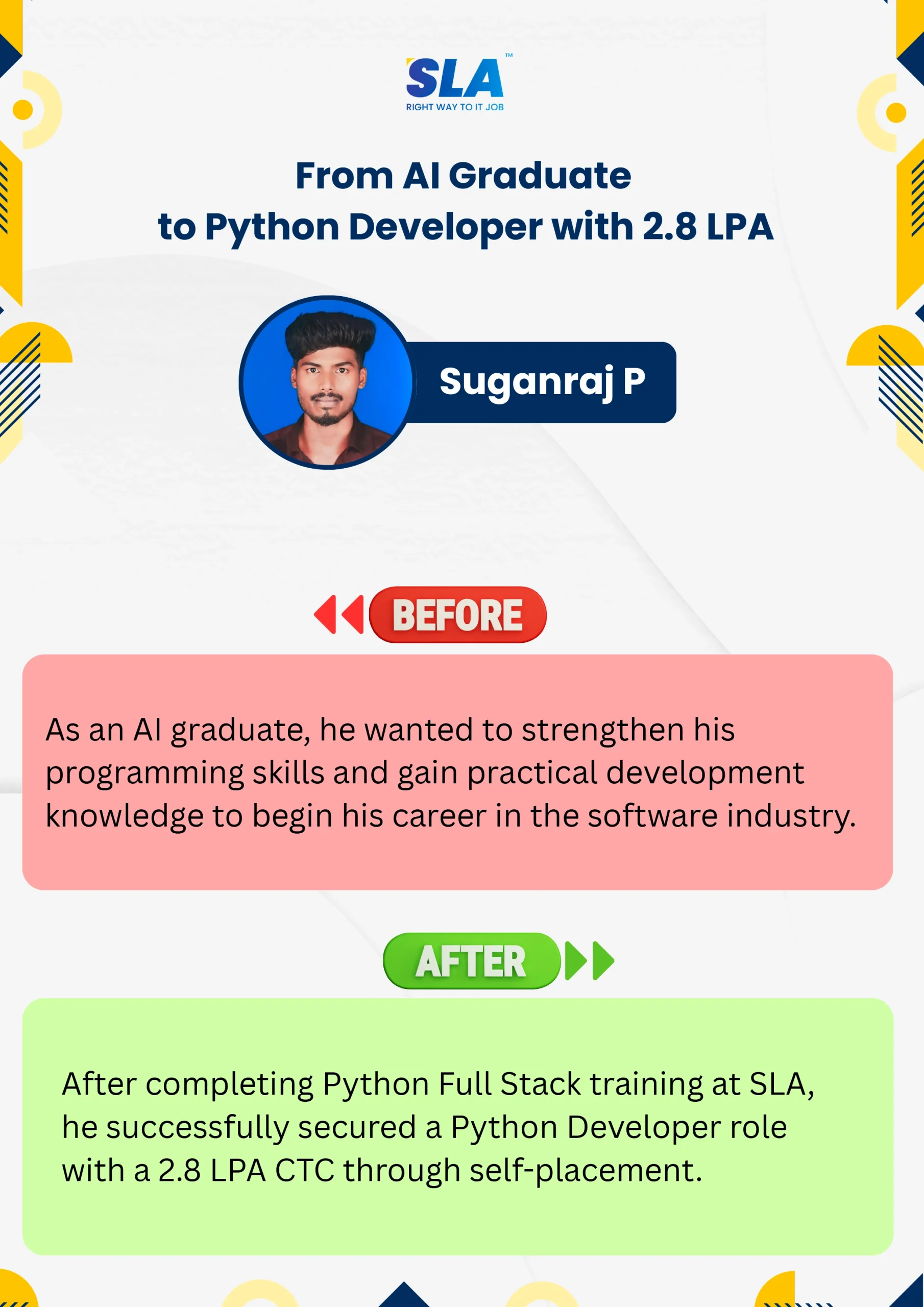
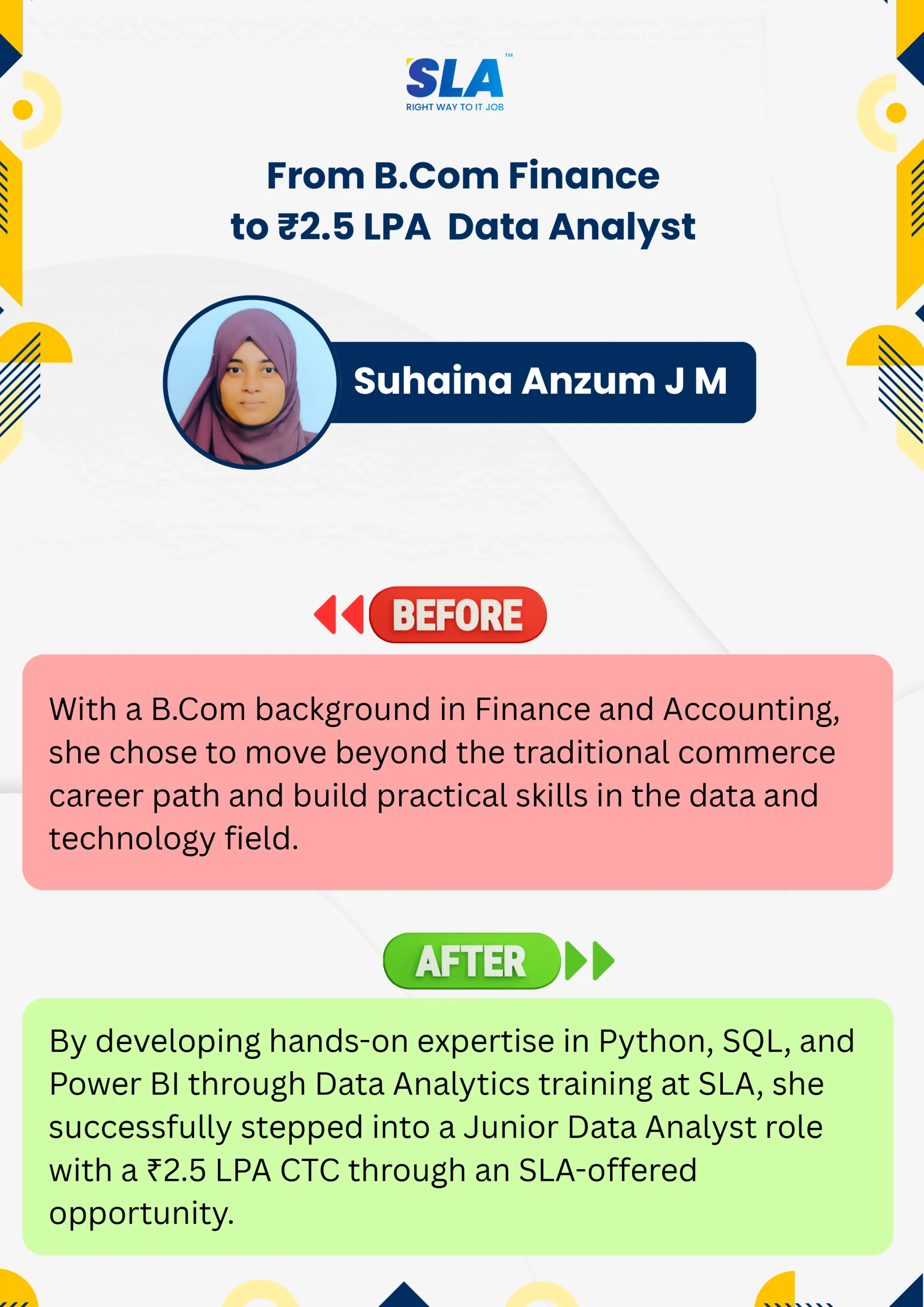
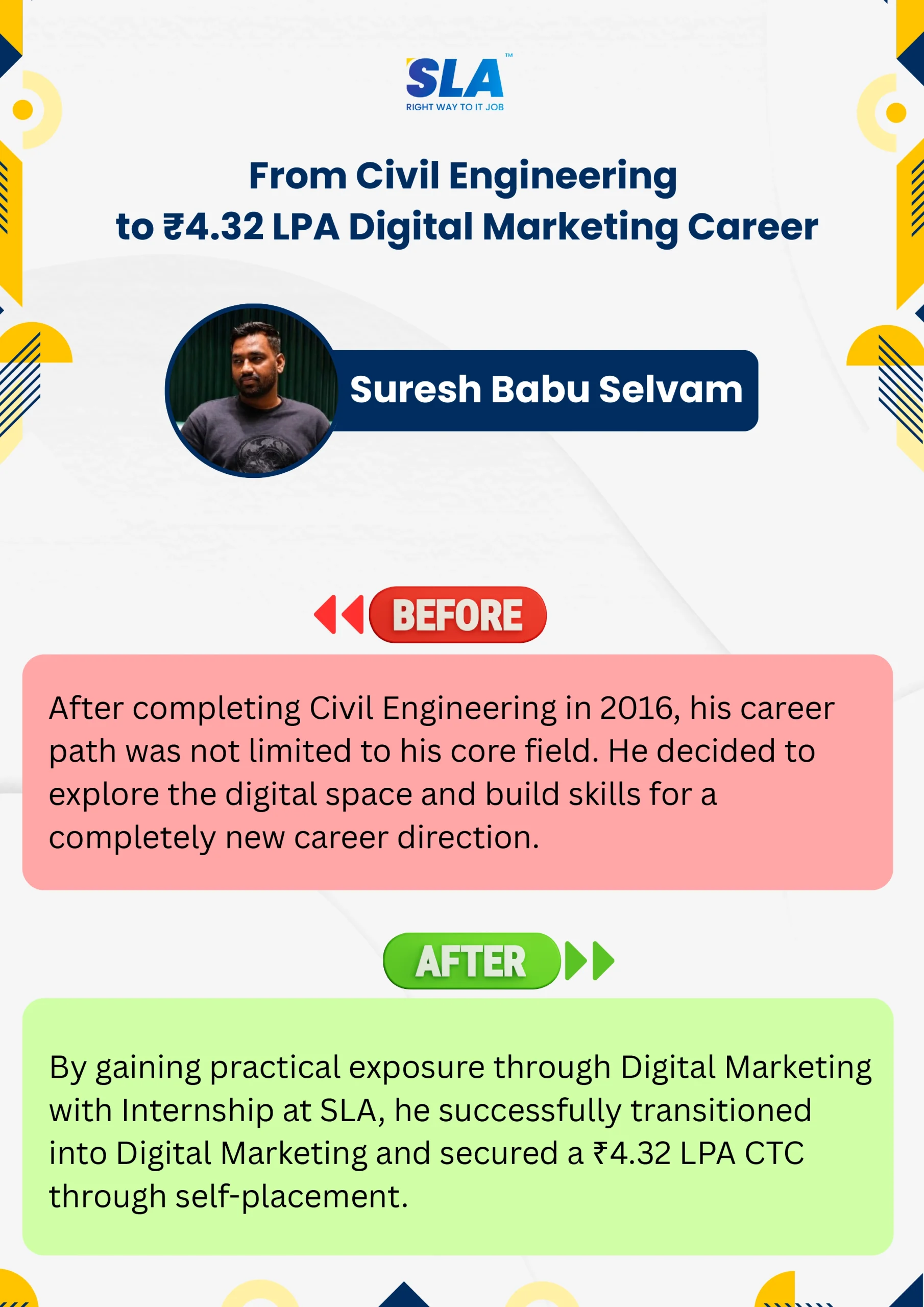
Video Testimonials
Start your learning journey at SLA and write your career story like our students who have shared their experiences here. Are you excited to explore?
See More