Data Science Course Syllabus

duration
EMI
0% Interest

Mode
Live Online / Offline
This Data Science course syllabus is designed to build strong practical skills in working with real-world data. Students learn how to code, work with databases, analyze and visualize data, and transform raw information into meaningful insights. Through hands-on projects, they gain practical experience and confidence to apply these skills in real-world scenarios.
GET YOUR JOB ELIGIBILITY REPORT

Let's take the first step to becoming an expert in
Click Here to Get Started
100% Placement Assurance
Get Certified
Course Syllabus
Download SyllabusModule 1: Core Python Programming
- Introduction to Python, its features, and real-world usage
- Working with variables, data types, and operators
- Control flow: conditions, loops, and error handling
- Functions, modules, and reusable coding practices
- Object-Oriented Programming (OOP) concepts
- File handling and working with data using Python
Module 2: Data Analysis with Pandas & NumPy
- Understanding data structures like Series and DataFrames
- Data cleaning, handling missing values, and duplicates
- Data manipulation: filtering, sorting, grouping, and merging
- Working with CSV files and real datasets
- NumPy arrays and numerical computations
- Basic data visualization and statistical analysis
Module 3: Data Science Fundamentals & Visualization
- Introduction to data science concepts and workflows
- Exploratory Data Analysis (EDA) techniques
- Data visualization using Matplotlib and Seaborn
- Creating charts like bar graphs, scatter plots, heatmaps, and more
- Understanding patterns and trends in data
Module 4: Machine Learning Concepts & Models
- Introduction to machine learning and its types
- Working with Scikit-learn for model building
- Supervised and unsupervised learning techniques
- Algorithms like Linear Regression, Logistic Regression, KNN, Naive Bayes
- Decision Trees, Random Forest, and clustering methods
- Model evaluation using accuracy, confusion matrix, and other metrics
Module 5: Advanced Machine Learning & Model Optimization
- Feature scaling, normalization, and data preprocessing
- Model training, testing, and prediction workflows
- Performance tuning and improving model accuracy
- Understanding how models behave with different datasets
Module 6: Deep Learning & Artificial Intelligence
- Introduction to neural networks and deep learning concepts
- Understanding ANN, CNN, and RNN models
- Activation functions, layers, and optimizers
- Working with image and text datasets
- Basic implementation of deep learning models
Module 7: Natural Language Processing (NLP)
- Text data processing and cleaning techniques
- Working with NLTK and SpaCy
- Sentiment analysis and text classification
- Understanding language patterns and word relationships
Module 8: Computer Vision
- Basics of image processing using OpenCV
- Working with image data: resizing, cropping, and transformations
- Face detection and object recognition basics
- Understanding how visual data is analyzed
Module 9: Generative AI & Large Language Models
- Introduction to Generative AI and its applications
- Understanding LLMs, transformers, and attention mechanisms
- Working with tools like OpenAI, HuggingFace, and LangChain
- Prompt engineering basics and building simple AI applications
The Data Science Course syllabus helps people gain skills in data analysis, machine learning, and visualization. This prepares them for jobs like Data Analyst and Data Scientist. These jobs are in demand in the tech field today. The Data Science Course Syllabus is key to getting these skills. Data Analyst and Data Scientist roles need people with these skills.
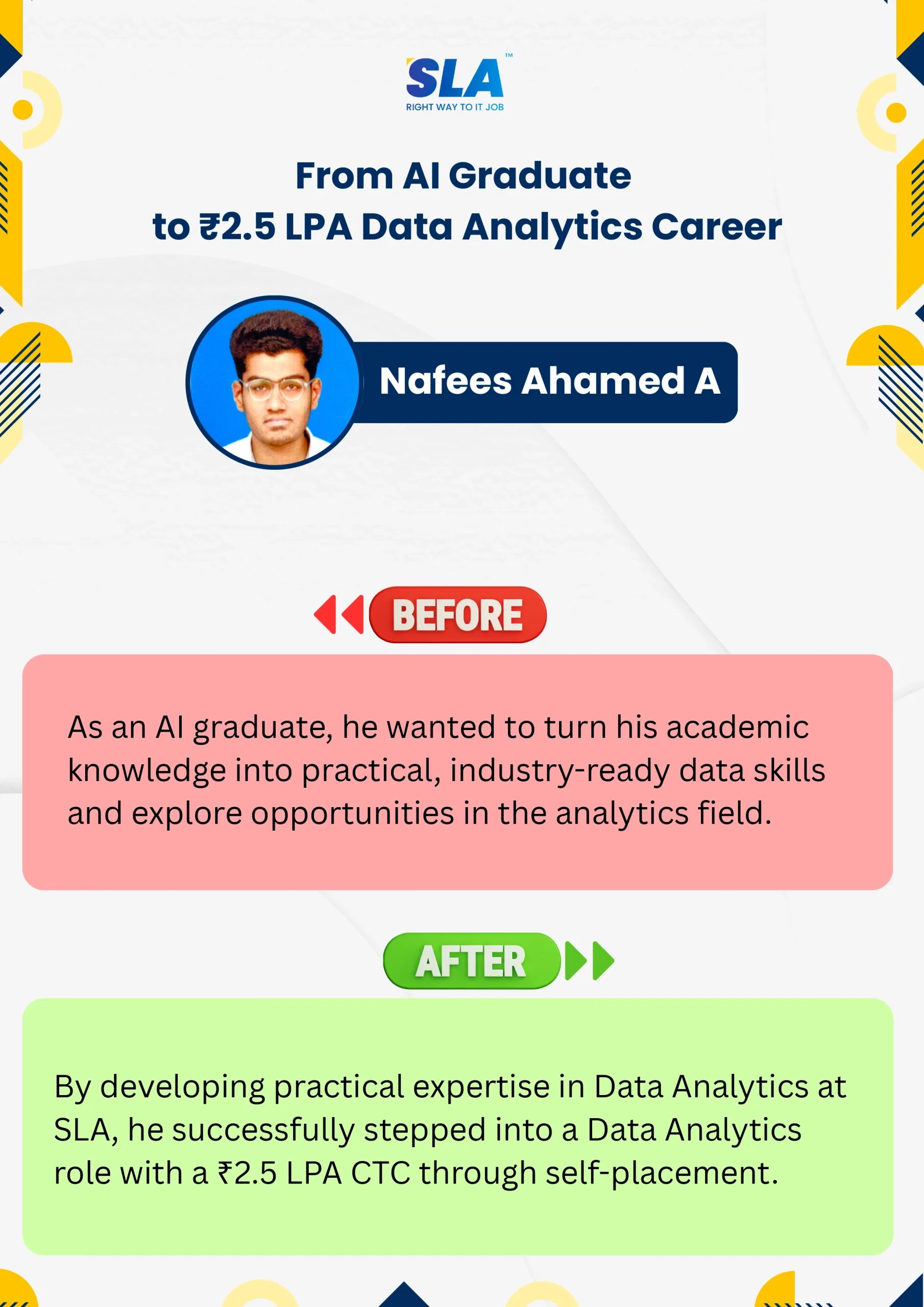


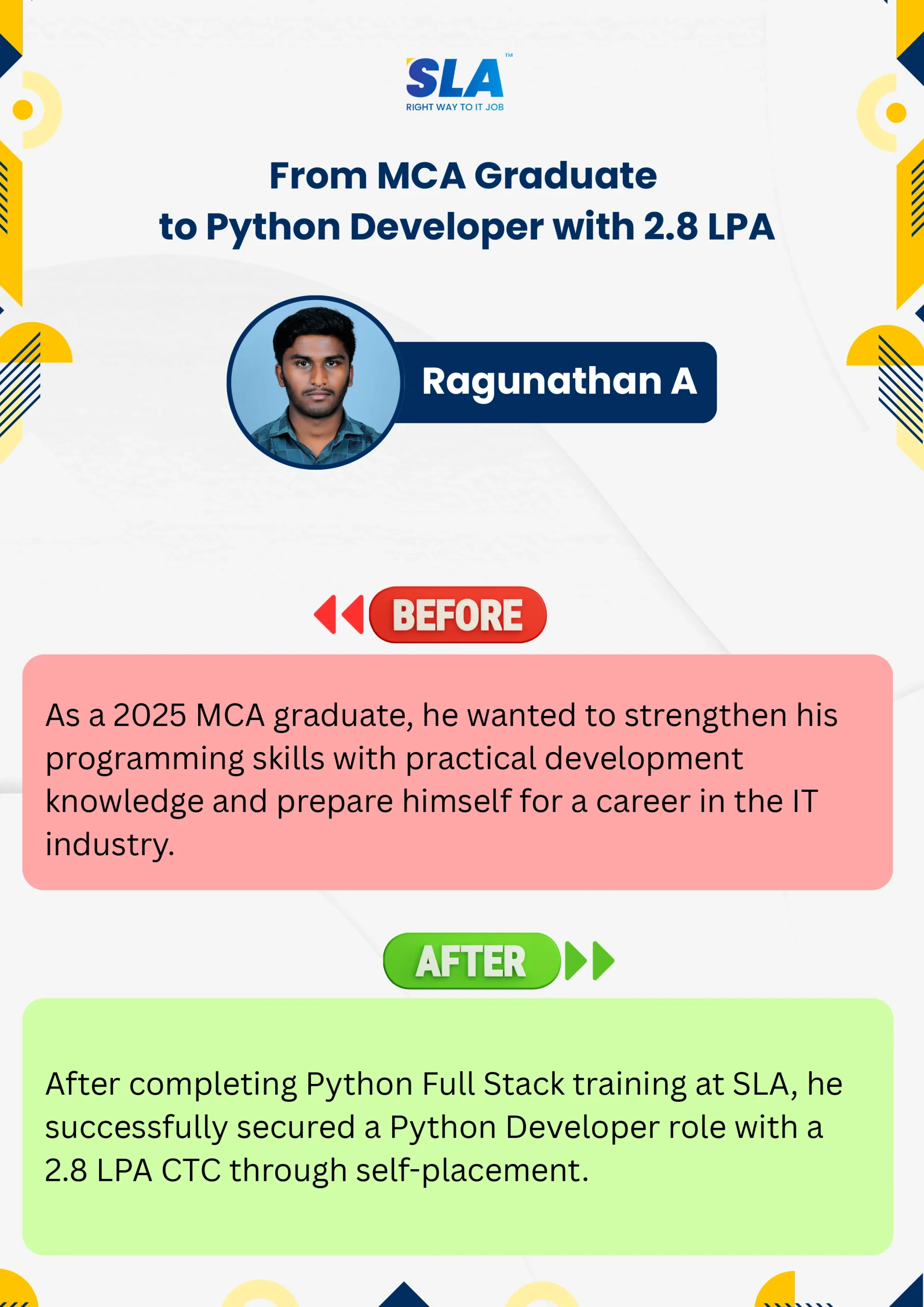
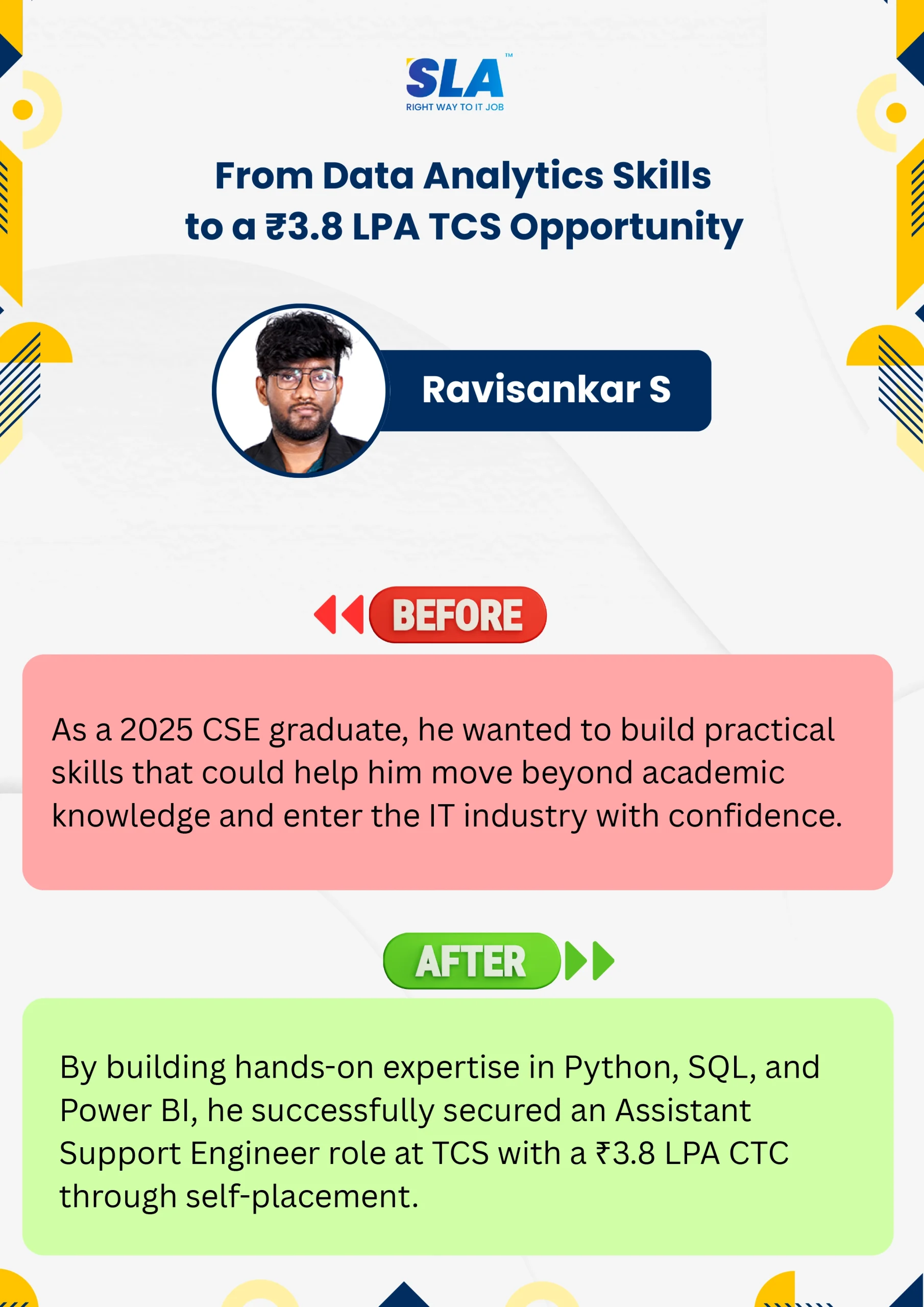
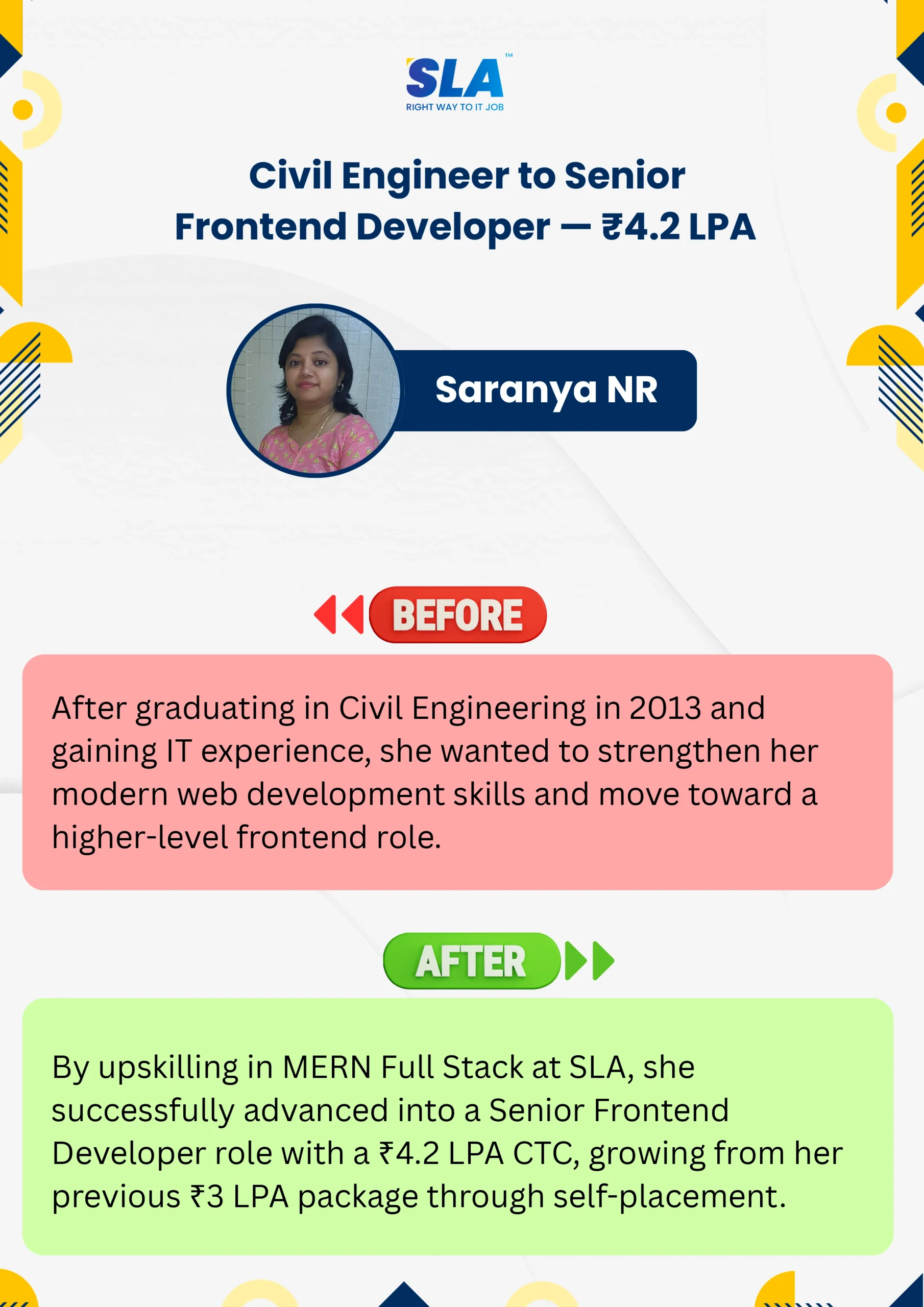
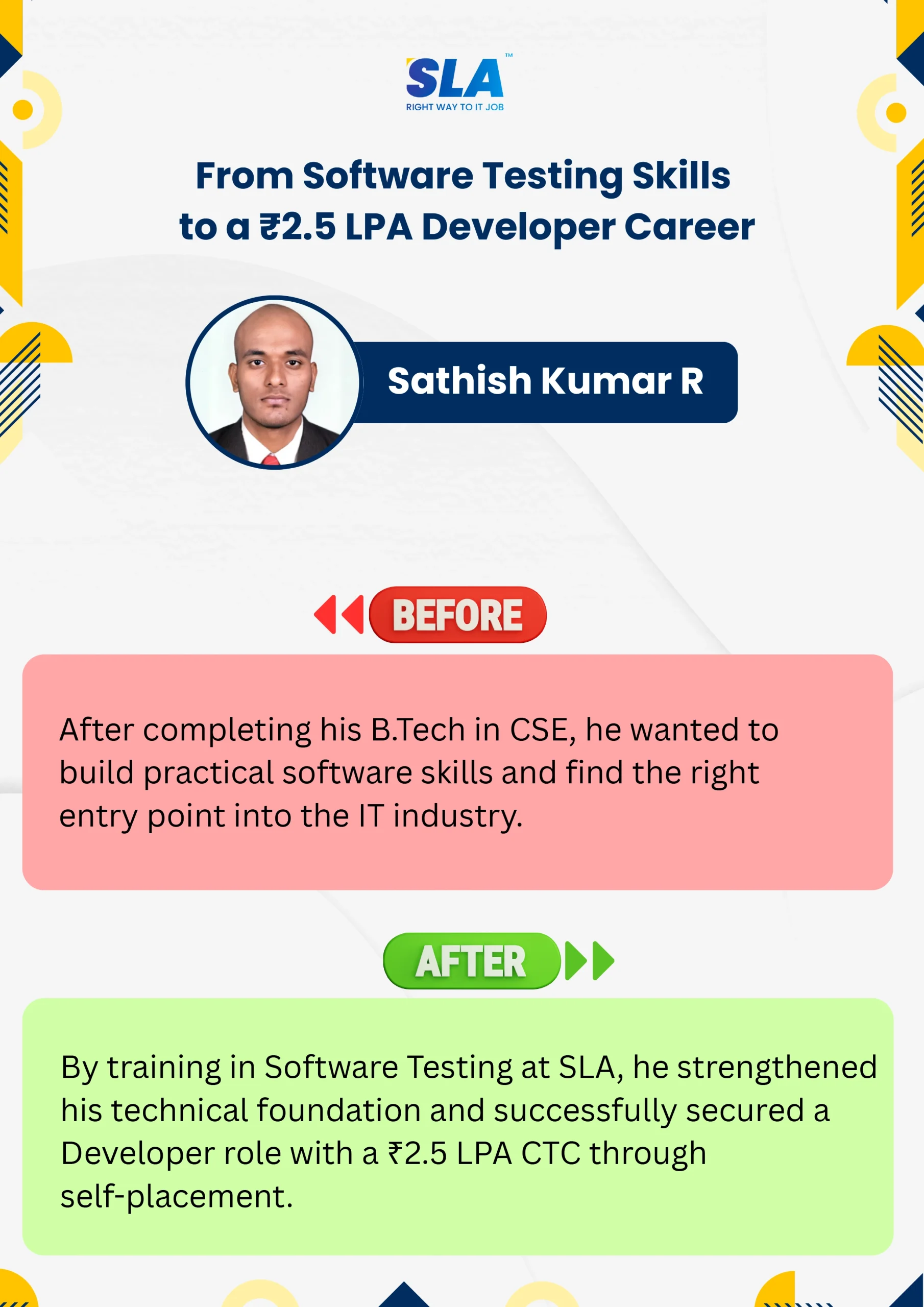
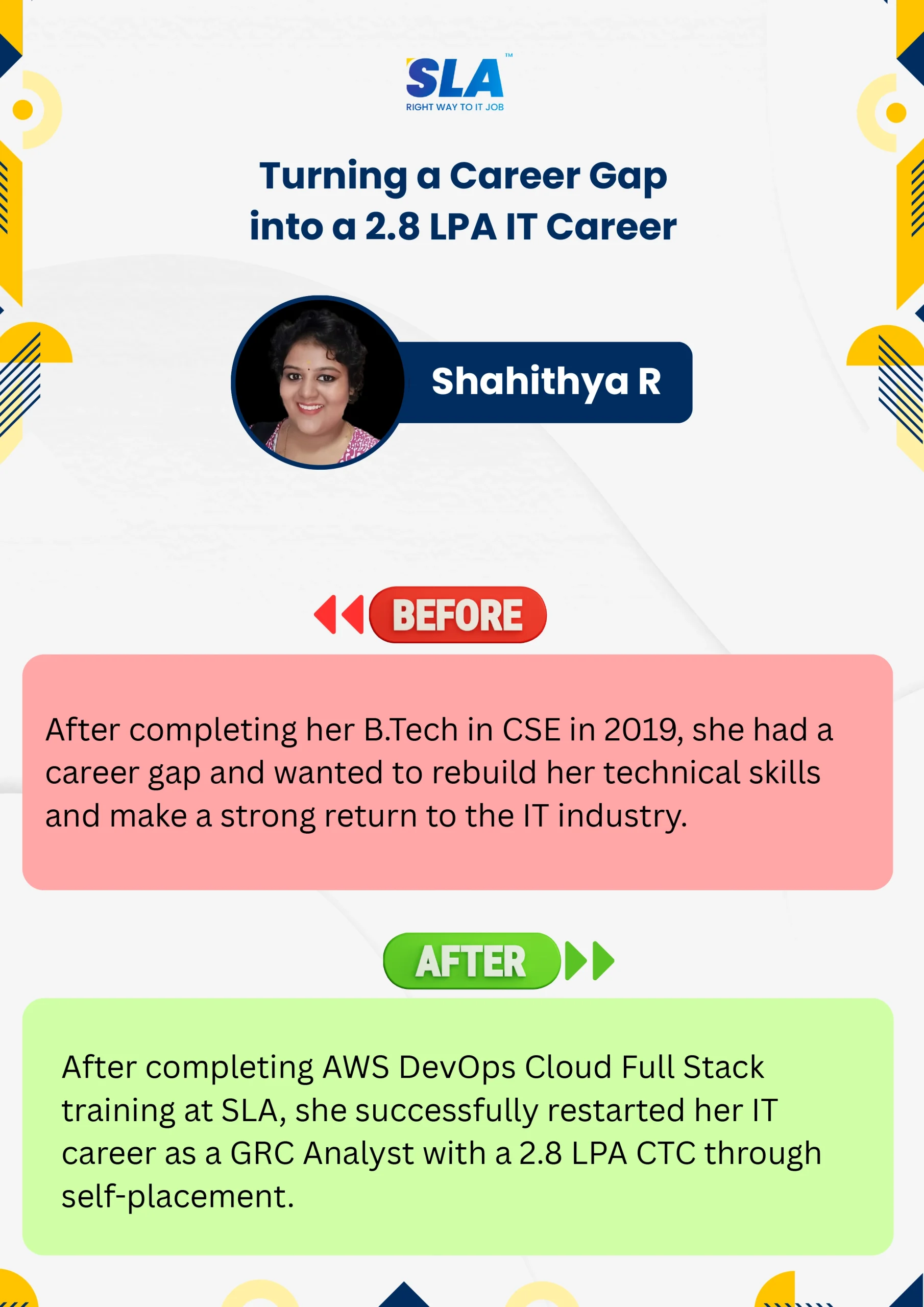
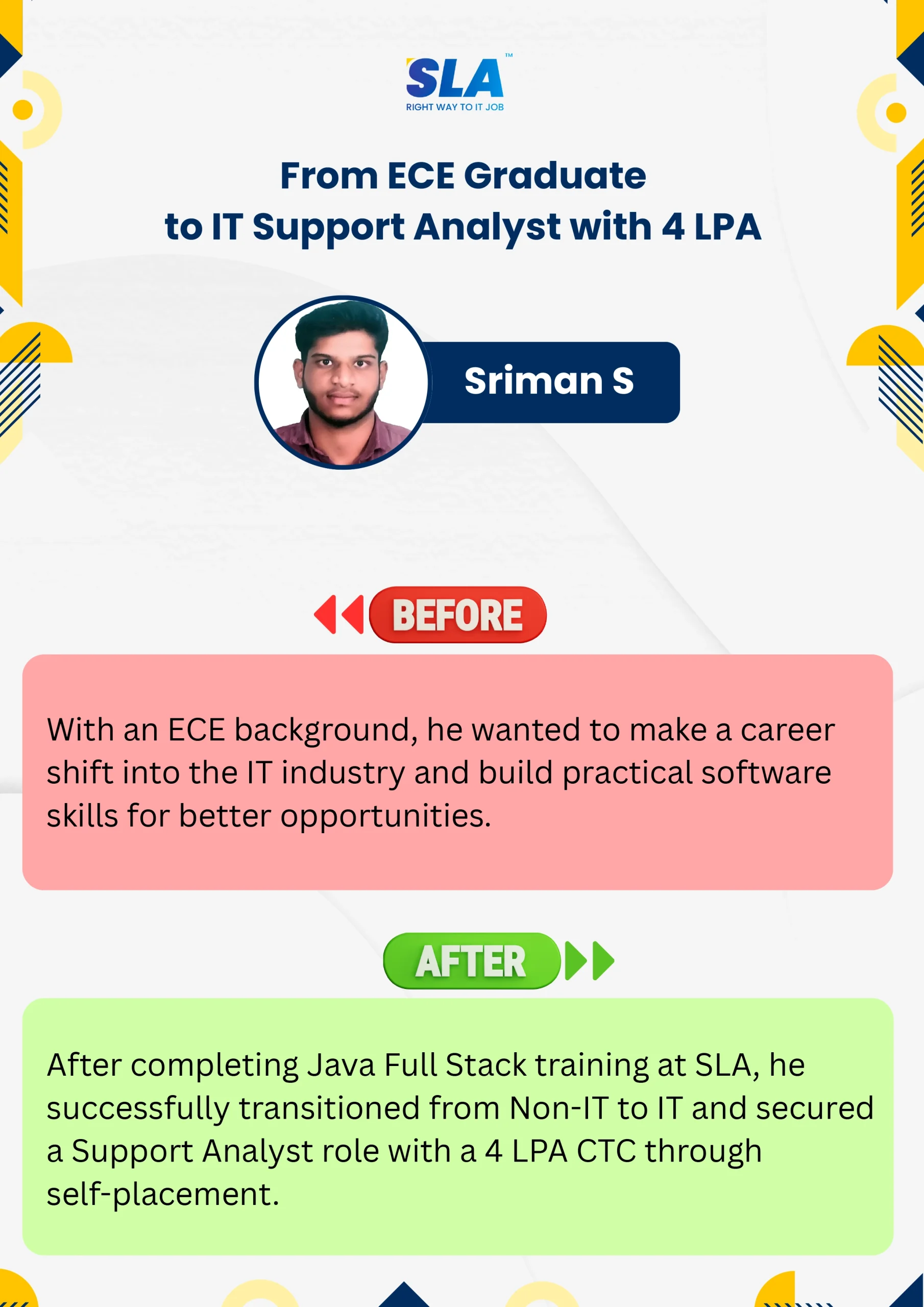
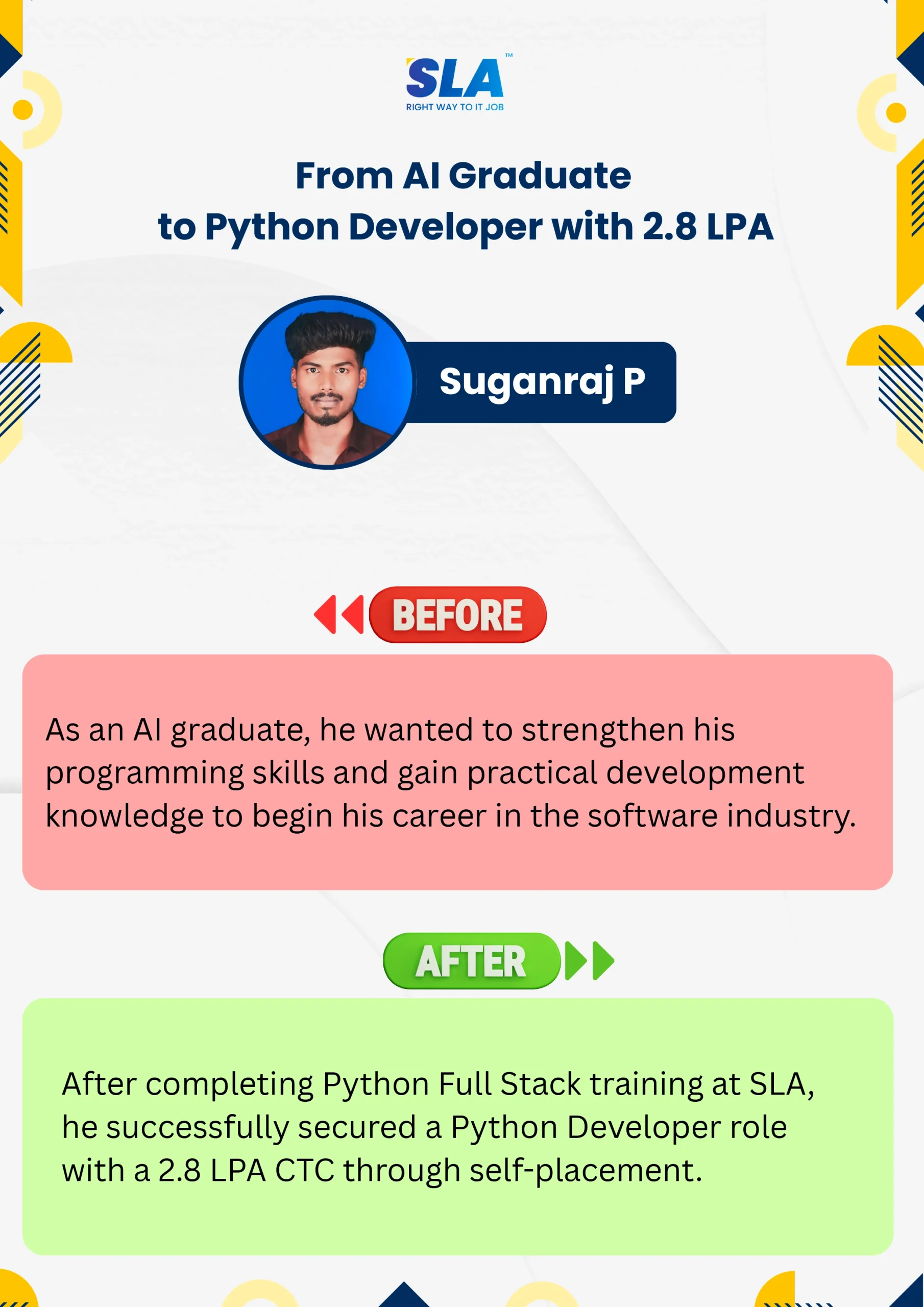
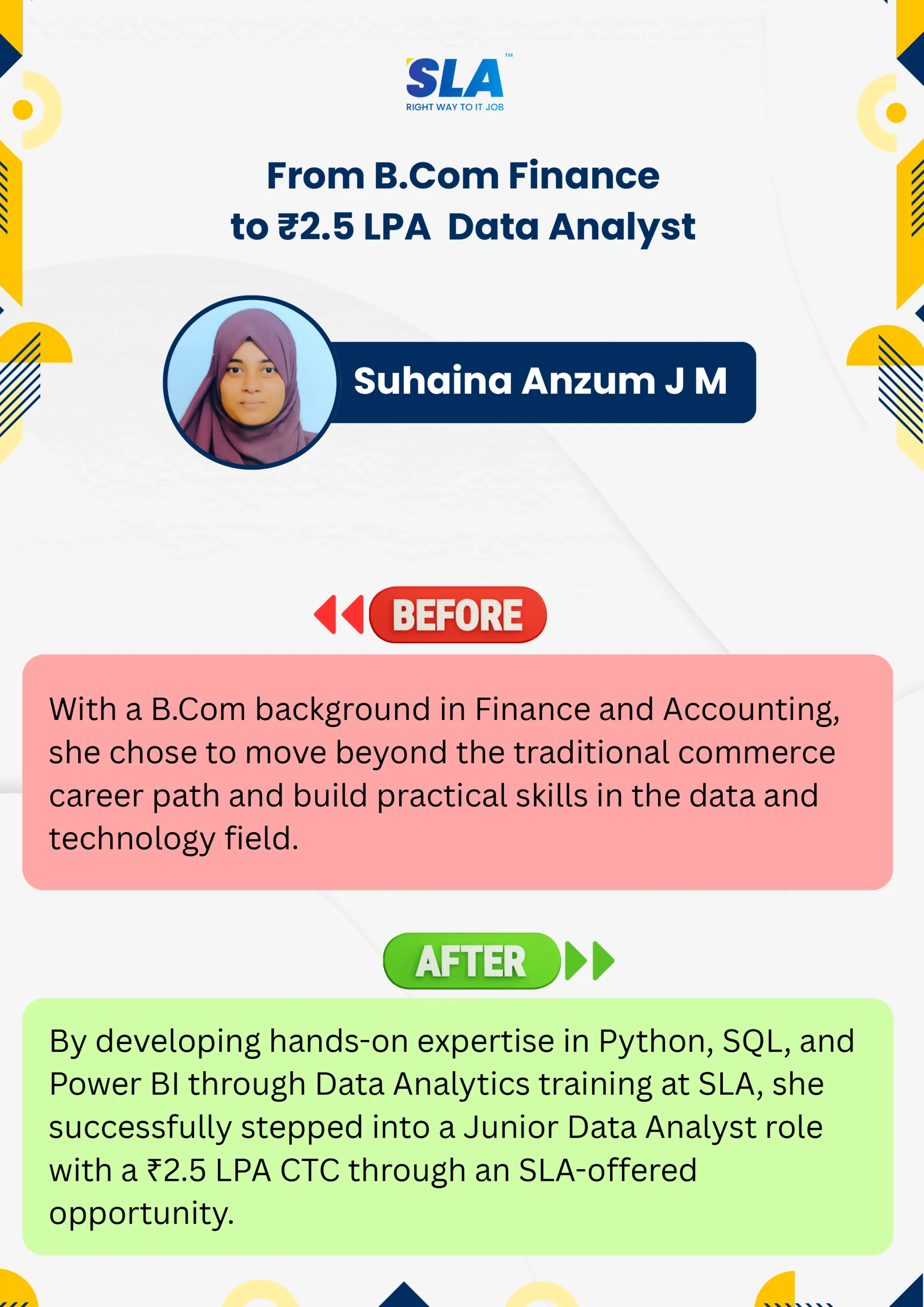
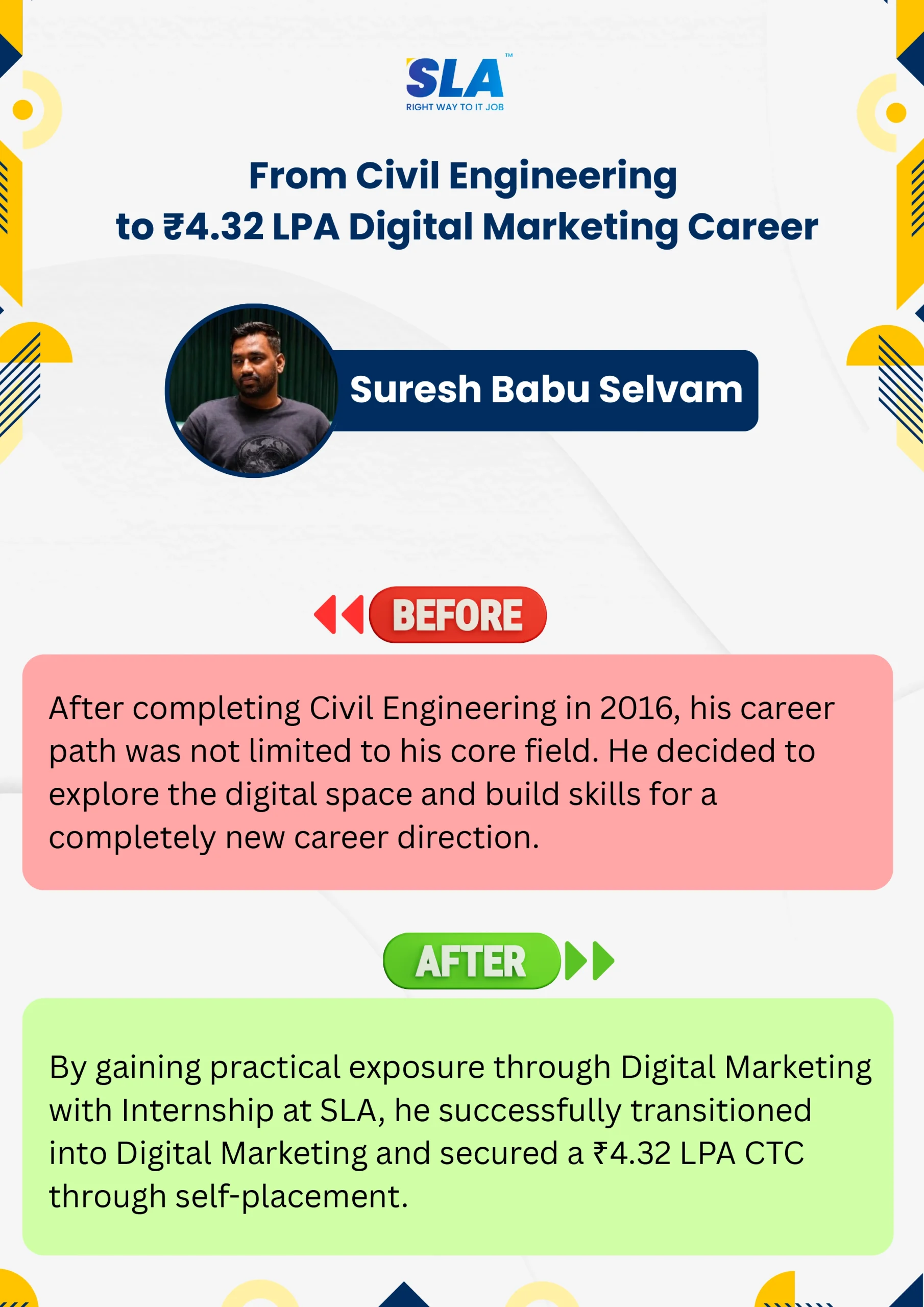
Video Testimonials
Start your learning journey at SLA and write your career story like our students who have shared their experiences here. Are you excited to explore?
See More