Docker Course Syllabus

duration
2-3 Months
EMI
0% Interest
Mode
Live Online / Offline
Join our Docker Course in OMR at SLA Institute to boost your career in containerization. Our comprehensive program covers everything from foundational programming concepts to advanced Docker techniques. You'll gain hands-on experience in managing data, deploying applications, and utilizing the latest tools in the industry. With practical projects and tailored job placement assistance, you'll be well-prepared for a thriving career. Benefit from expert guidance and kickstart your Docker journey with us. Enroll today to unlock new opportunities in this dynamic field!
GET YOUR JOB ELIGIBILITY REPORT

Let's take the first step to becoming an expert in
Click Here to Get Started
100% Placement Assurance
Get Certified
Course Syllabus
Download SyllabusModule 1: Introduction to Docker
- What is Docker?
- Benefits of Containerization
- Virtualization vs. Containerization
- Installing Docker on Windows, macOS, and Linux
Module 2: Docker Architecture & Components
- Docker Engine and Daemon
- Docker CLI and Commands
- Docker Images, Containers, and Registries
- Understanding Docker Hub
Module 3: Working with Docker Containers
- Creating and Managing Containers
- Running Applications in Containers
- Docker Logs and Monitoring
- Persisting Data with Volumes
Module 4: Docker Images & Dockerfile
- Understanding Docker Images
- Creating Custom Images with Dockerfile
- Best Practices for Writing a Dockerfile
- Managing Image Versions and Layers
Module 5: Docker Networking
- Overview of Docker Networking
- Bridge, Host, Overlay, and None Networks
- Container-to-Container Communication
- Networking in Docker Swarm and Kubernetes
Module 6: Docker Compose
- Introduction to Docker Compose
- Writing a docker-compose.yml File
- Multi-Container Applications
- Managing Services with Docker Compose
Module 7: Docker Volumes & Storage
- Data Persistence in Docker
- Types of Docker Storage: Volumes, Bind Mounts, tmpfs
- Backup and Restore Strategies
Module 8: Docker Security & Best Practices
- Security Risks in Containerized Environments
- Implementing Least Privilege Access
- Image Scanning and Vulnerability Assessment
- Secrets Management in Docker
Module 9: Docker Orchestration & Swarm
- Introduction to Container Orchestration
- Docker Swarm vs. Kubernetes
- Deploying and Managing Services in Docker Swarm
- Load Balancing and Service Discovery
Module 10: Introduction to Kubernetes (Optional)
- Understanding Kubernetes and Its Benefits
- Kubernetes vs. Docker Swarm
- Running Docker Containers in Kubernetes
Module 11: CI/CD with Docker
- Docker in Continuous Integration & Deployment
- Automating Builds with Jenkins and GitHub Actions
- Deploying Applications in Production
Module 12: Hands-on Project & Certification
- Real-World Project on Docker Containerization
- Resume Building and Interview Preparation
- Certification in Docker
In conclusion, the Docker Course Syllabus at SLA Institute helps learners understand containerization from basic to advanced levels. With hands-on training in Docker, container orchestration, networking, and security, students gain practical skills to build, deploy, and manage applications efficiently, preparing them for modern DevOps and cloud-based roles.
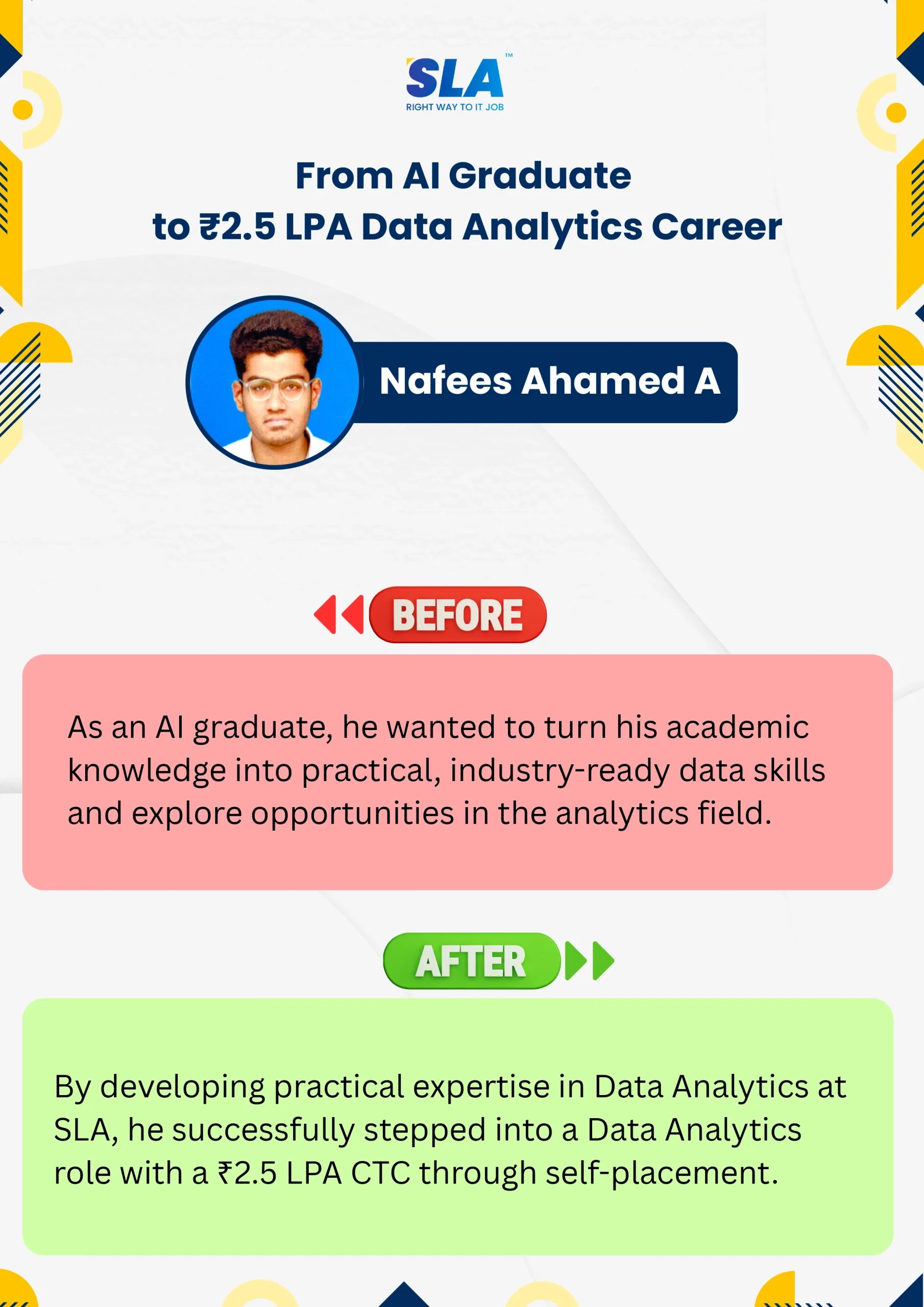
Video Testimonials
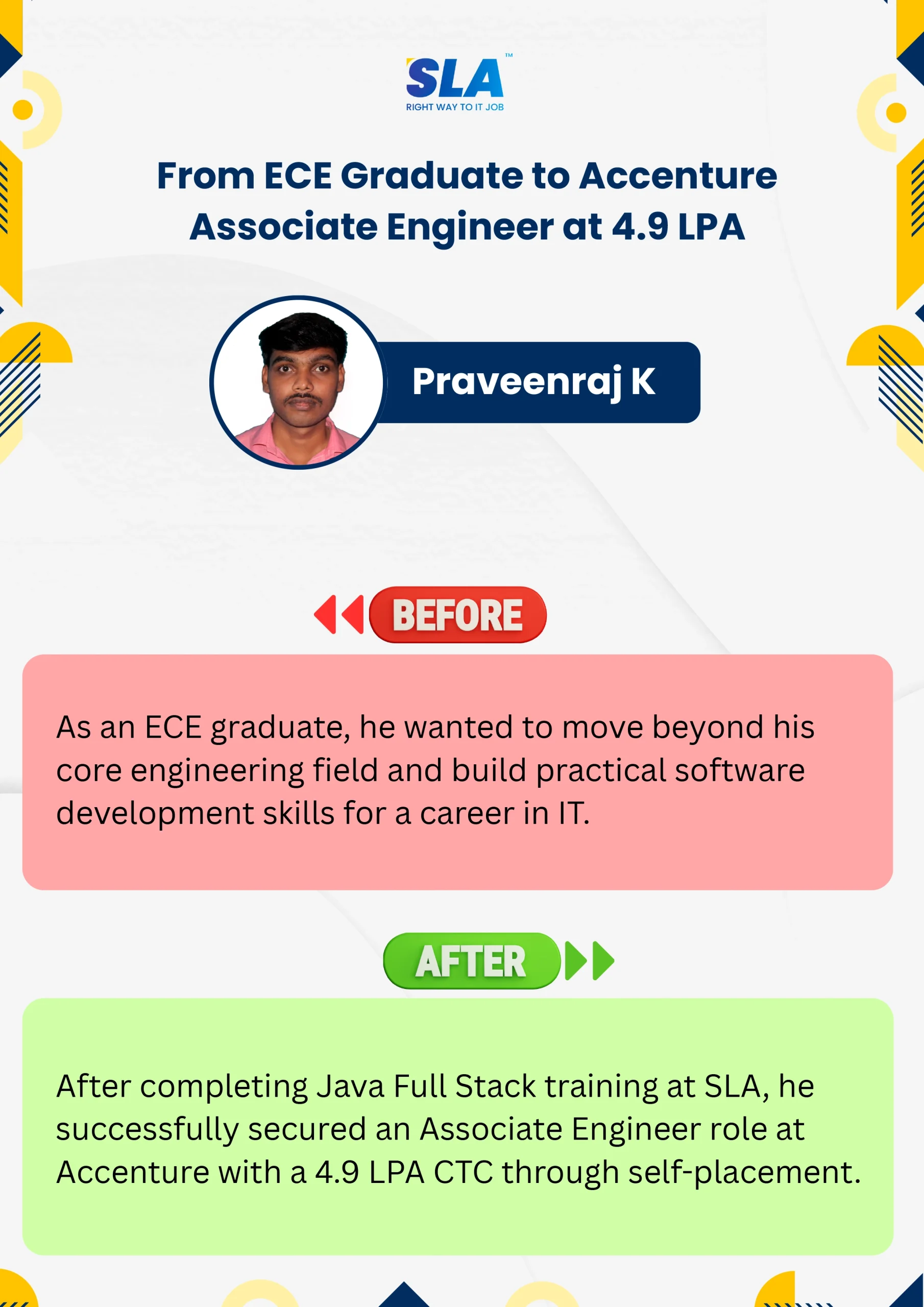
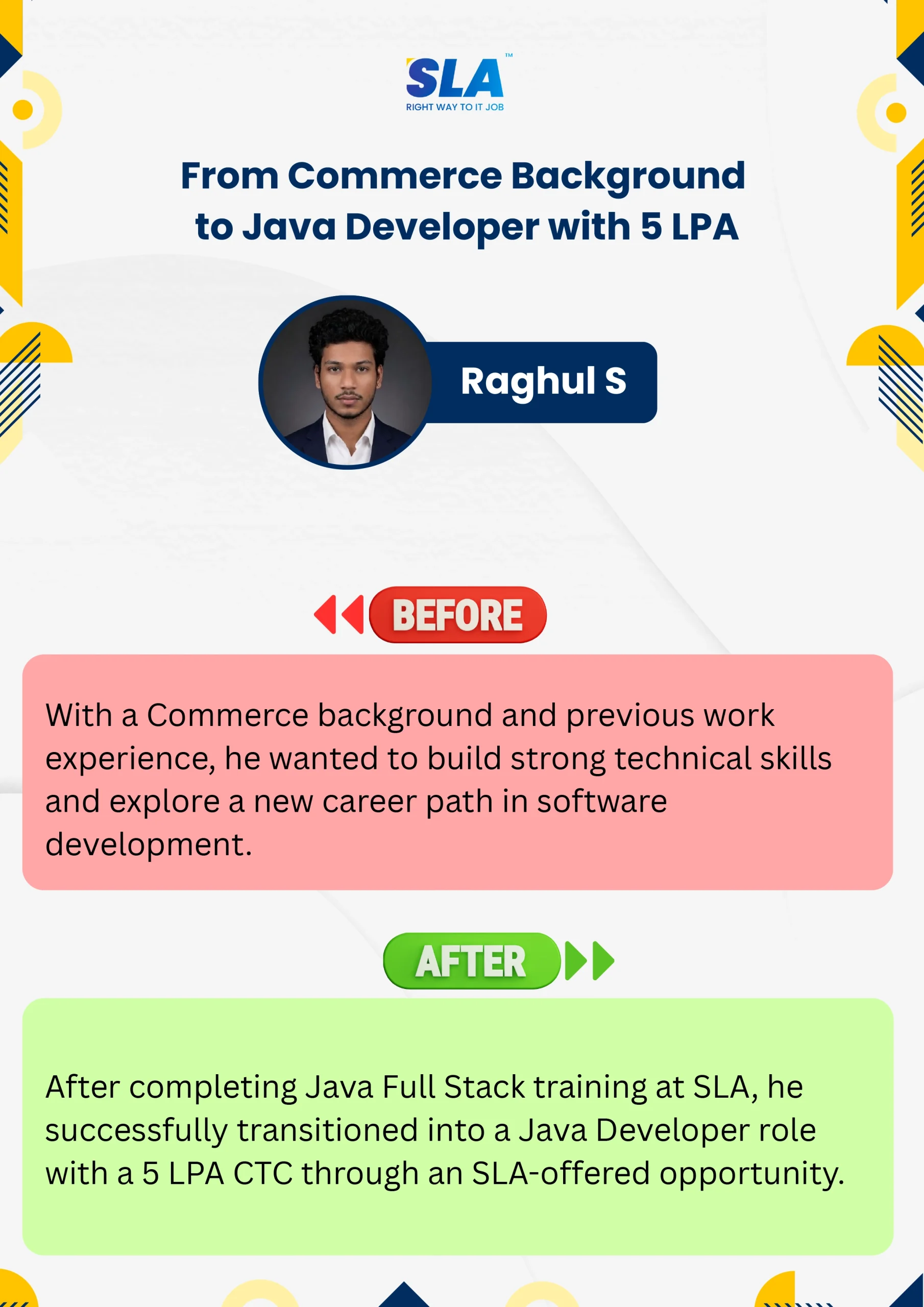
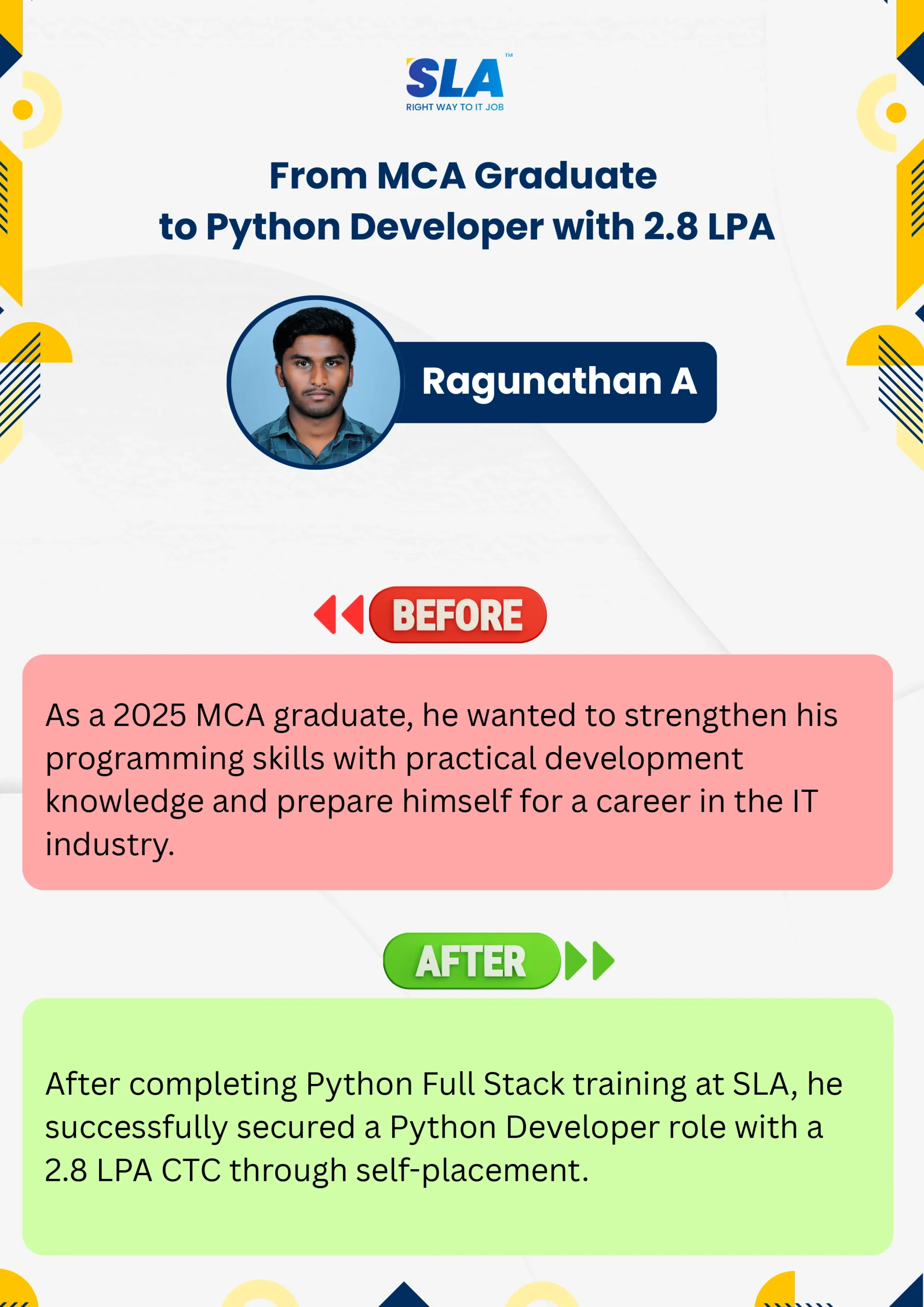
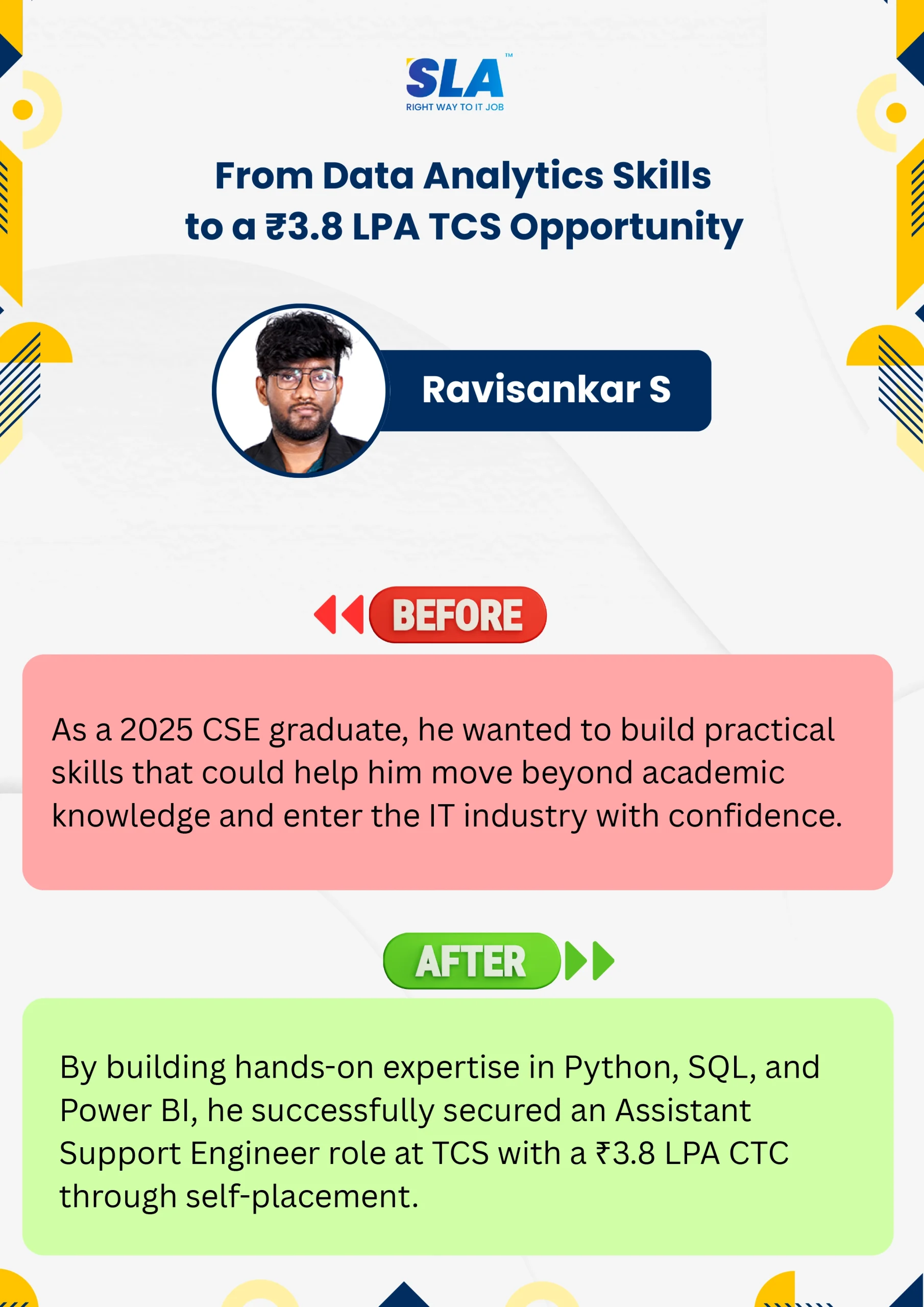
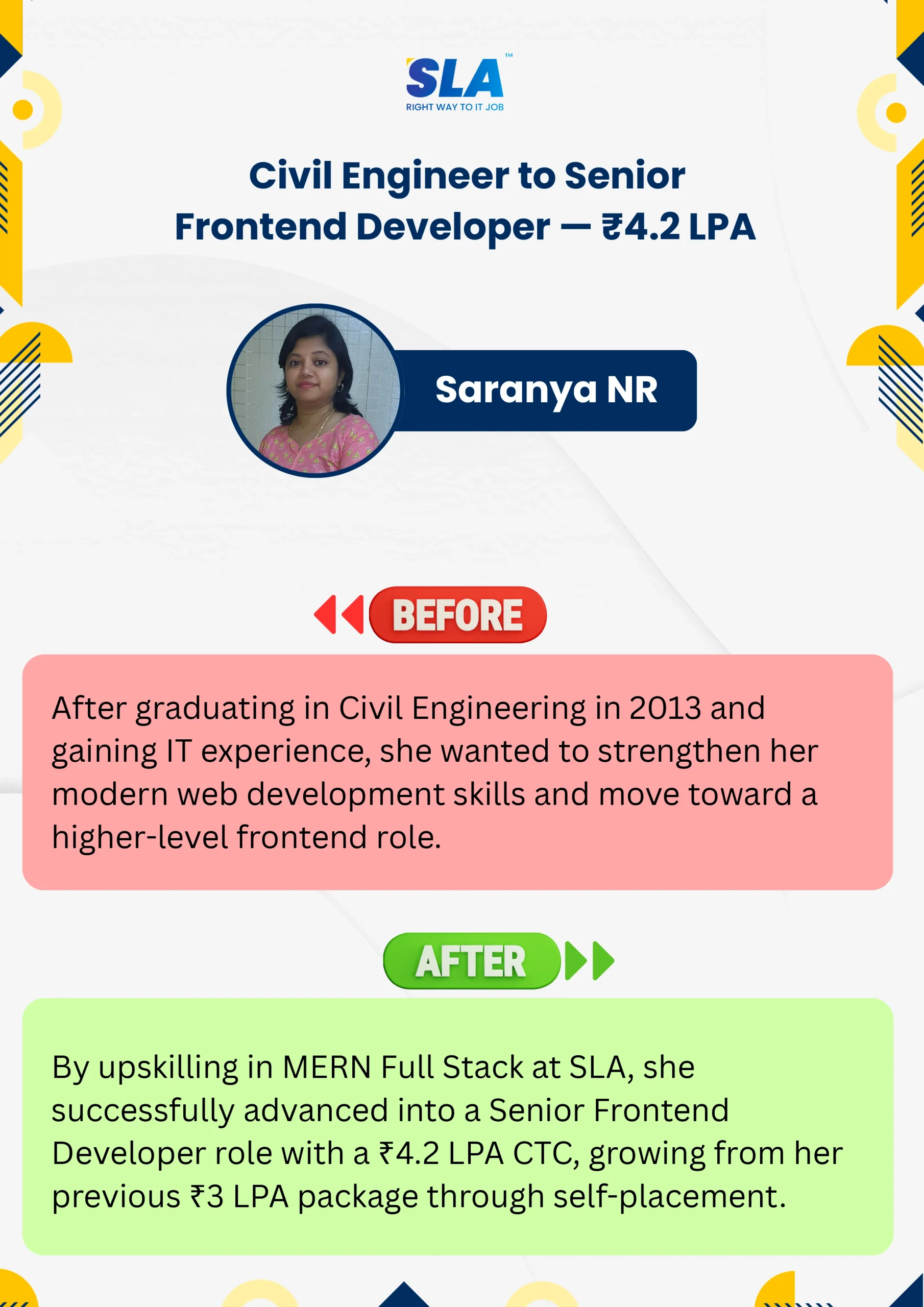
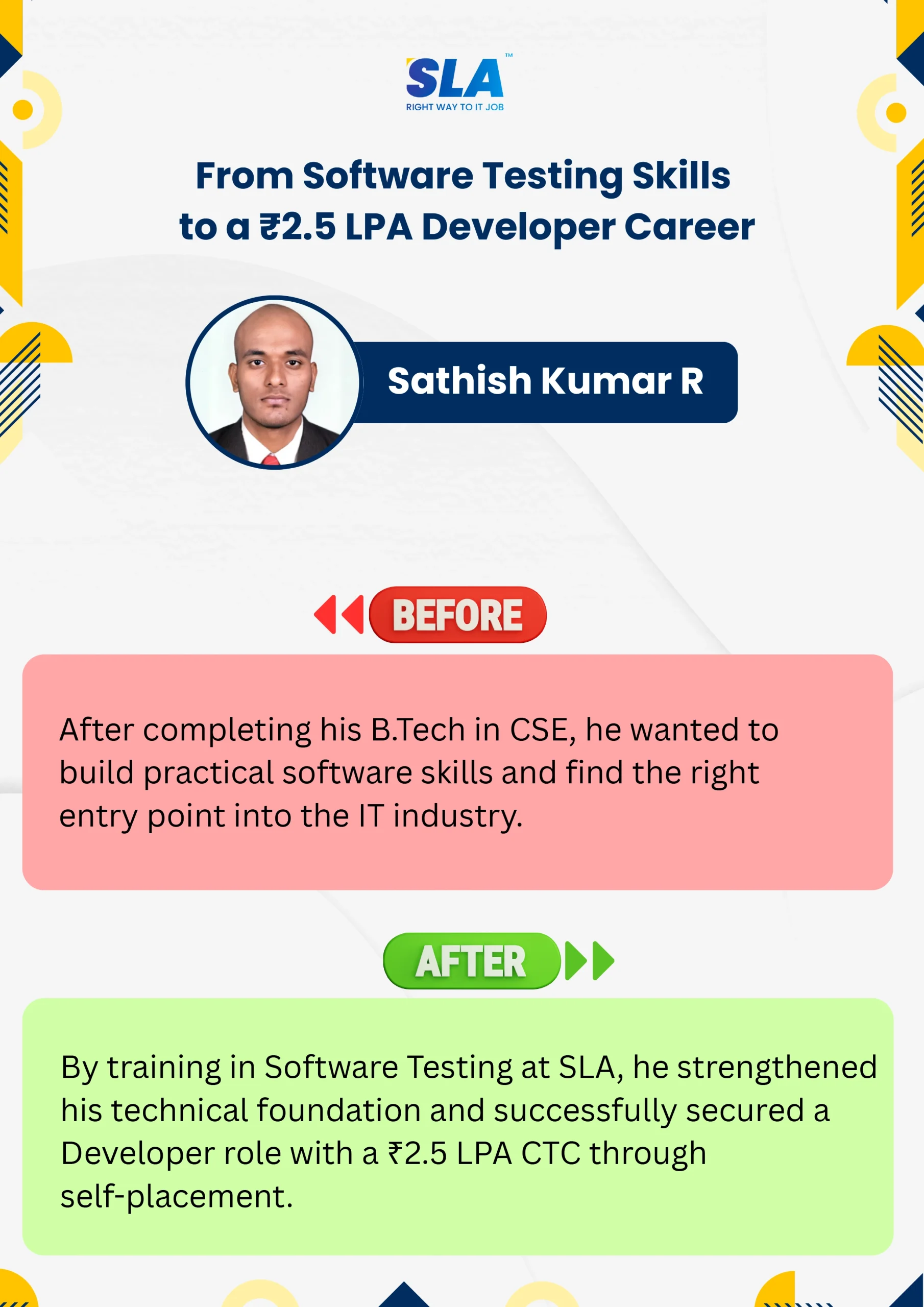
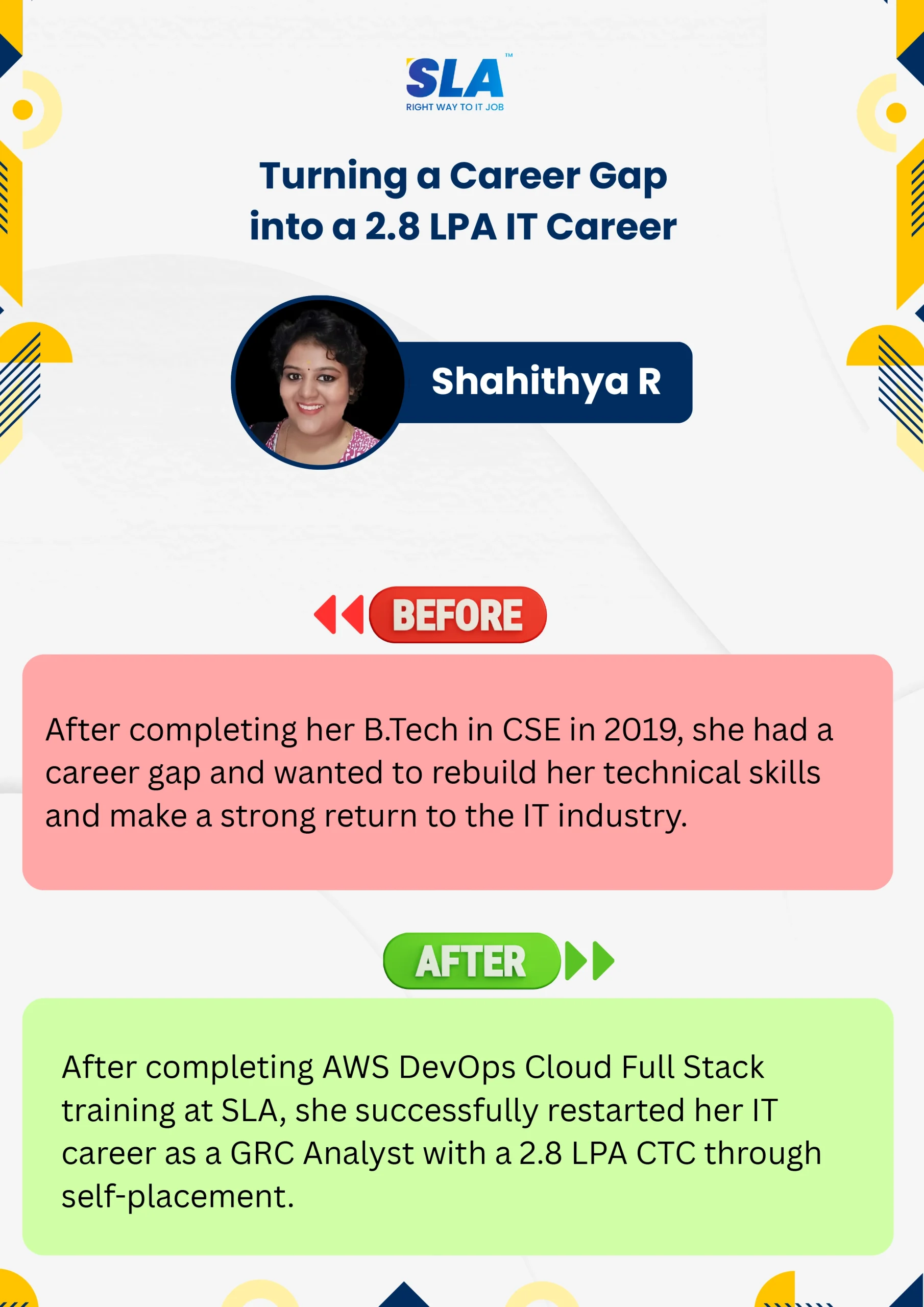
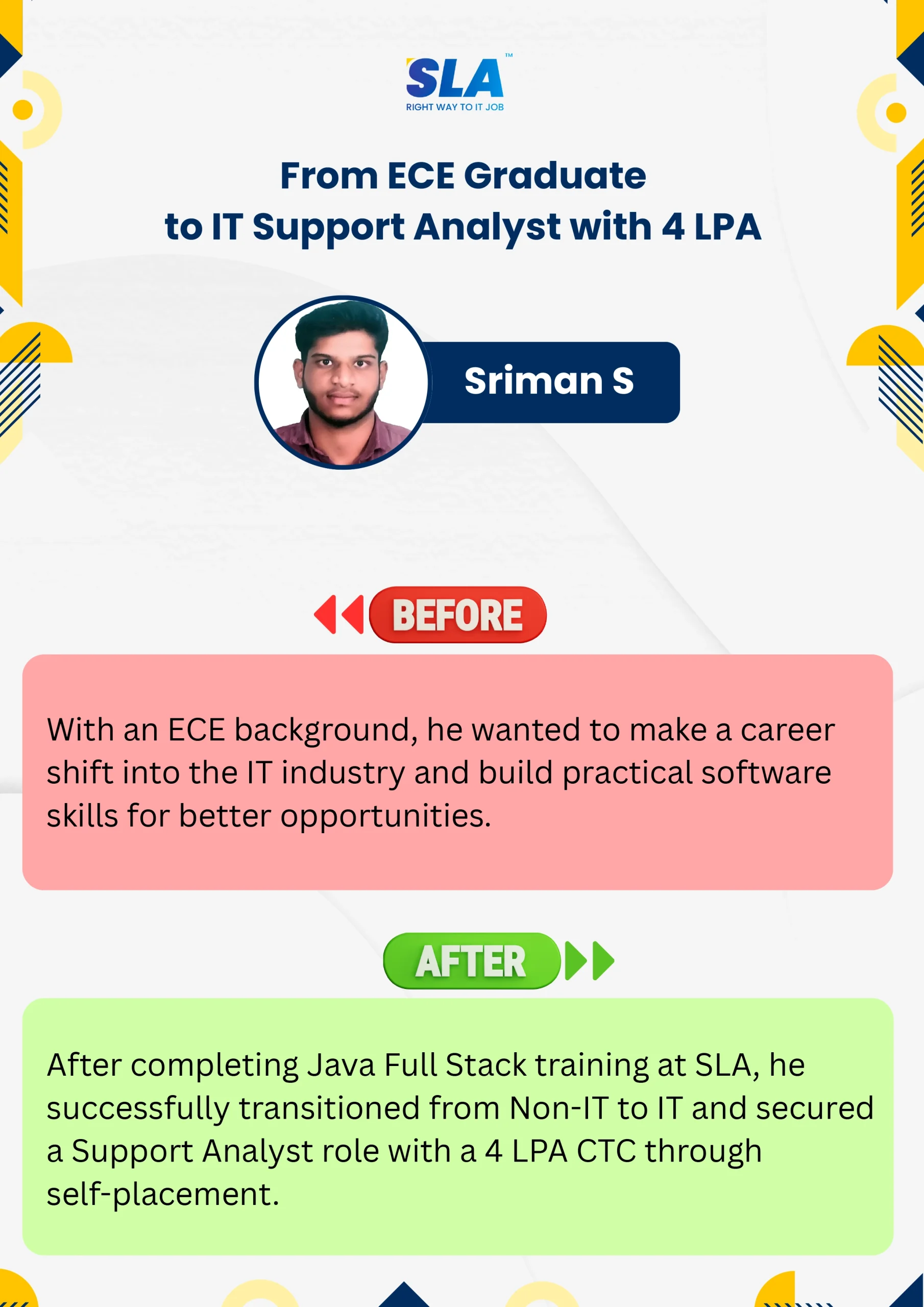
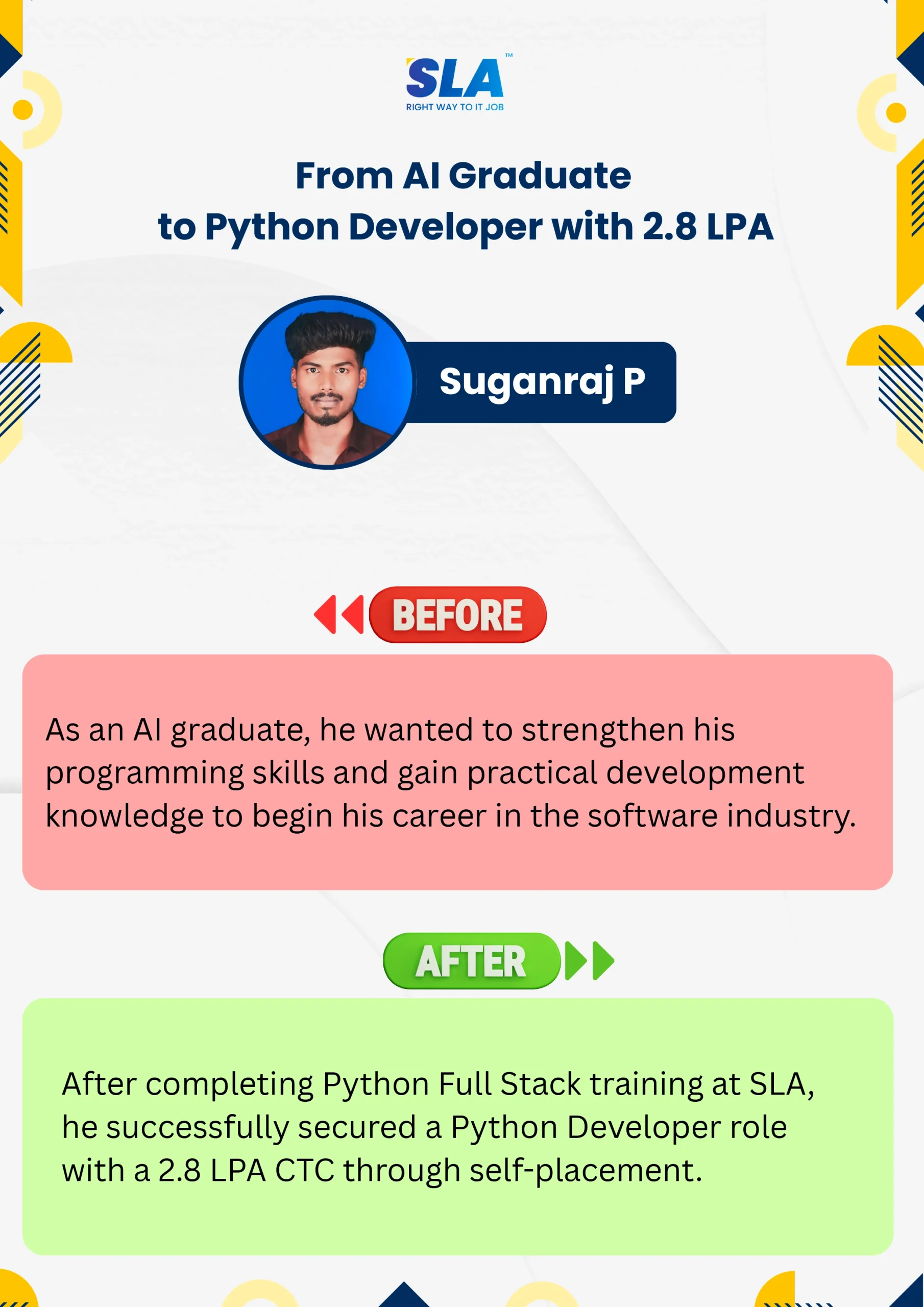
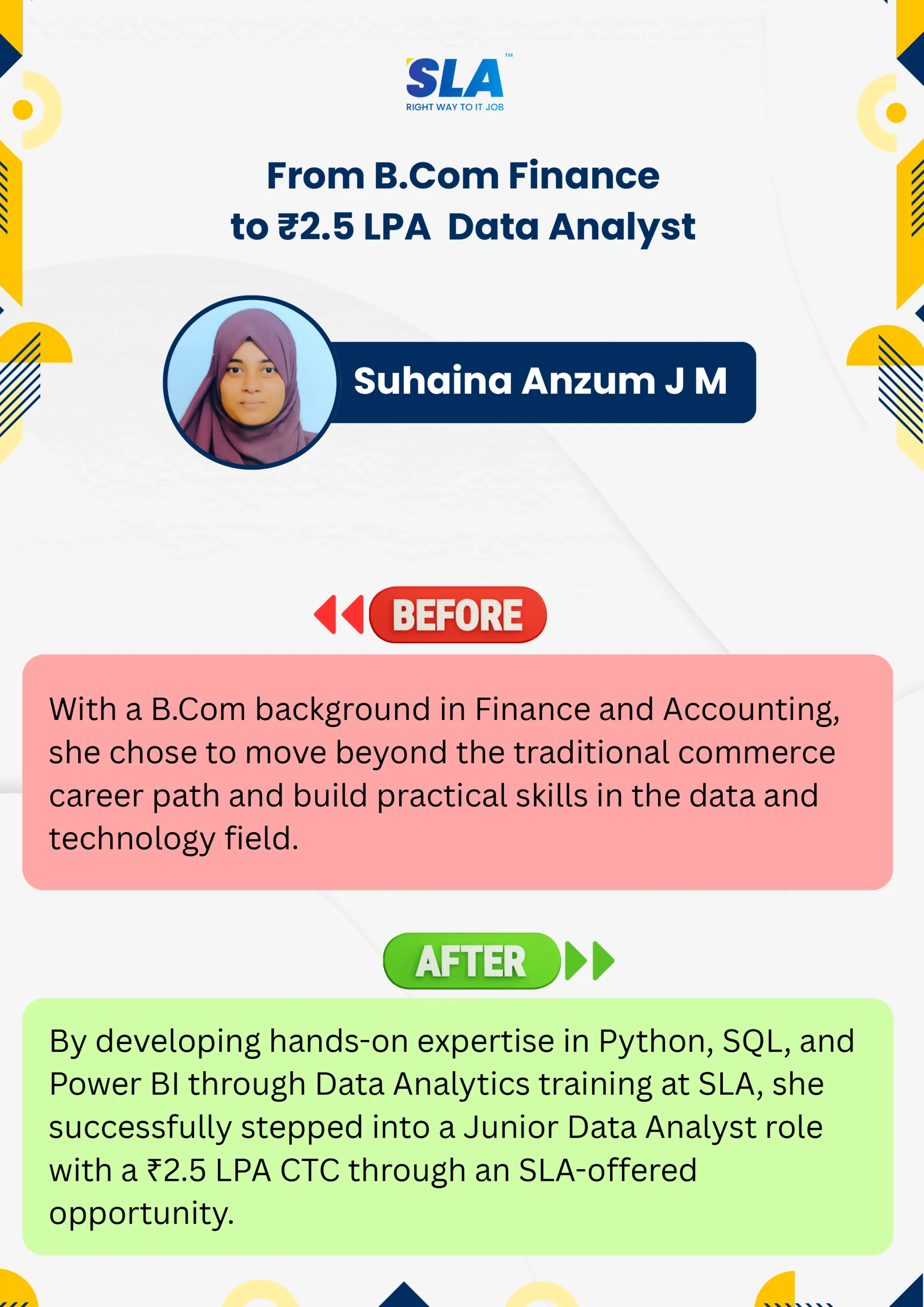
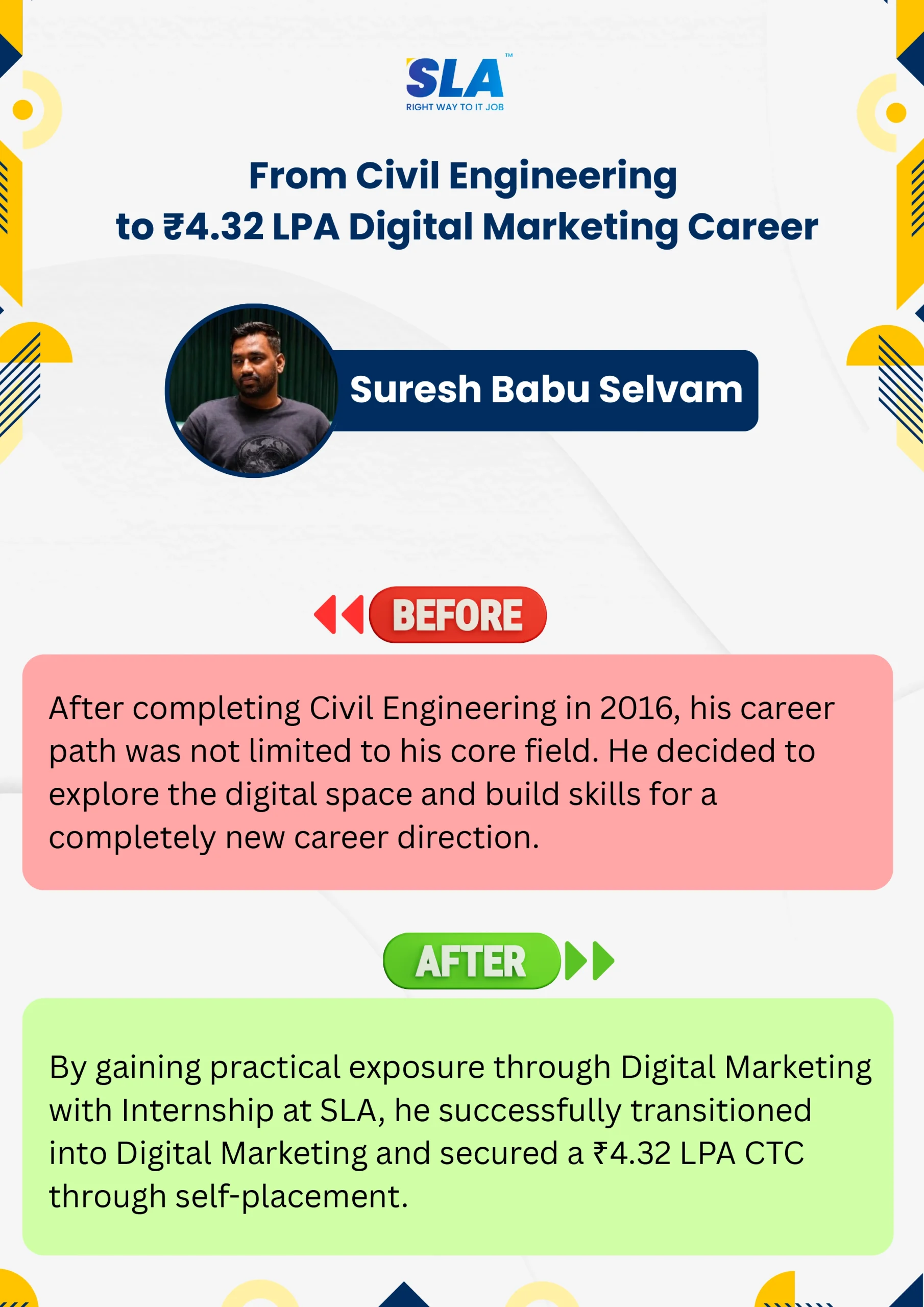
Start your learning journey at SLA and write your career story like our students who have shared their experiences here. Are you excited to explore?
See More